

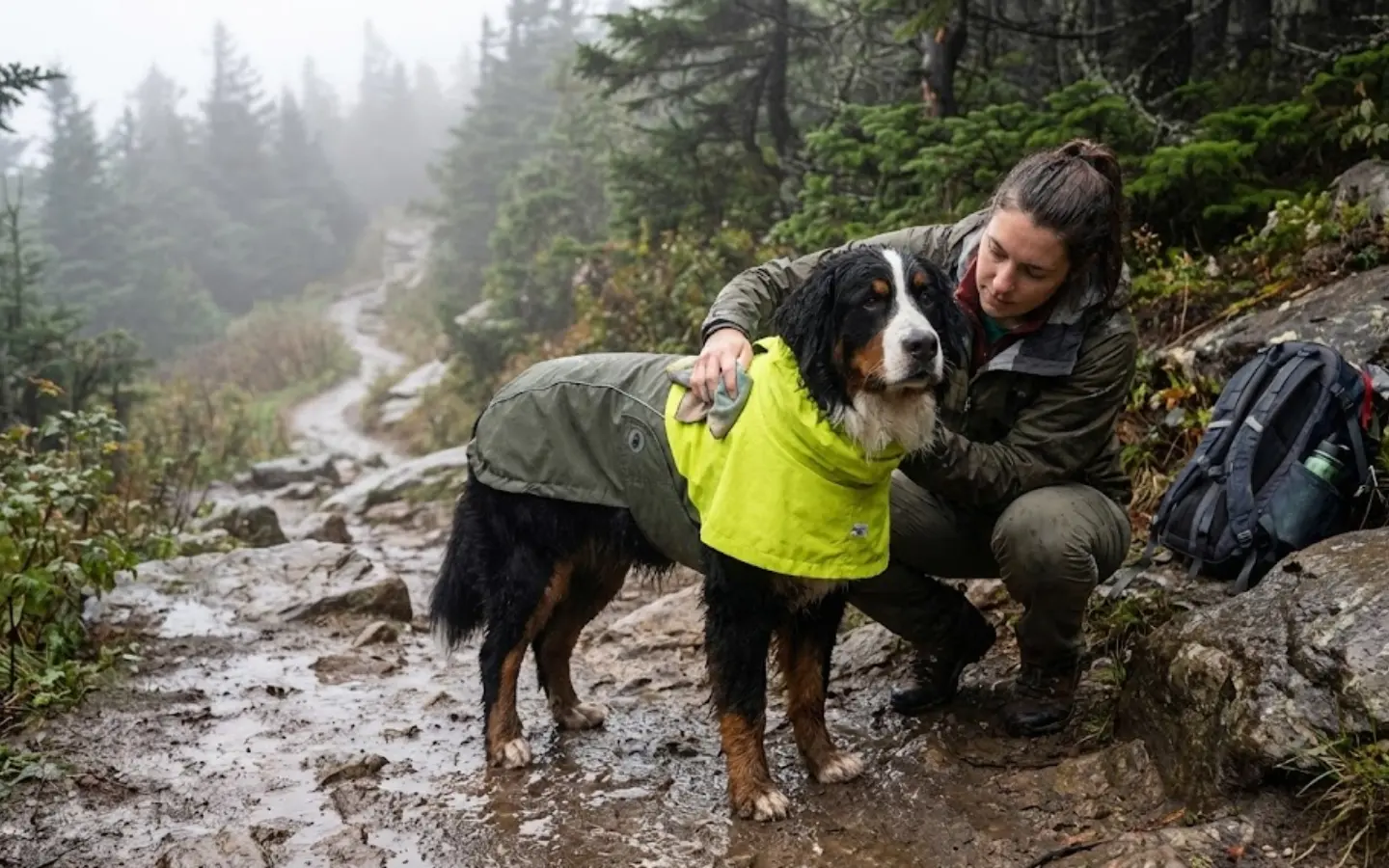
A dog raincoat is more than just a stylish accessory. For many dogs, it’s essential gear that helps keep them dry, comfortable, and willing to go outside during rainy weather. However, its performance and lifespan depend heavily on how well it’s cared for after wet walks.
This became especially clear after I came across a Reddit discussion titled “What’s the Best Way to Clean Your Dog’s Raincoat?”. Many dog owners shared the same concern: how to clean a dog raincoat without damaging its waterproof coating or trapping odors and stains. It’s a common problem, especially for dogs that spend a lot of time outdoors.
Many pet parents wonder exactly how to preserve a dog raincoat following rainy walks to guarantee its durability and waterproof properties. I’m here to offer expert-backed advice to help you keep your dog’s raincoat in peak shape, therefore simplifying every rainy trip for both of you.
Immediate Post-Walk Care: The First Line of Defense
The moments immediately following a rainy walk are crucial for preventing dirt buildup and preserving your dog’s raincoat. Prompt care ensures hygiene and maintains the integrity of the waterproofing.
Shake, Brush, and Wipe Away Debris
As soon as you and your pup are back indoors, give the raincoat a good shake to remove excess water. Next, use a soft brush or a damp cloth to gently brush away any mud, dirt, or debris. This simple step prevents the buildup of grime, bacteria, and odors that can not only compromise hygiene but also degrade the raincoat’s waterproofing over time.
Spot Cleaning for Light Dirt
For light dirt or small smudges, spot cleaning is often sufficient. I recommend using a damp cloth and a mild, pH-neutral soap. Gently dab the soiled areas rather than rubbing harshly. This is vital to protect the Durable Water Repellent (DWR) coating, which is responsible for making water bead off the fabric. Harsh rubbing can wear down this protective layer. For more stubborn stains, a diluted technical cleaner, such as Nikwax Tech Wash, can be dabbed on the area before rinsing thoroughly. (tips)
Full Cleaning Methods: When and How to Wash
While immediate care handles minor issues, a full wash is necessary periodically. However, it’s important not to over-wash, as frequent cleaning can diminish the DWR coating. Aim to clean your dog’s raincoat only when it’s visibly soiled, typically every 2-3 months with frequent use, always following the care label instructions to prevent damage to the waterproof layer.
Hand Washing for Gentle Care
Hand washing is an excellent method for gently cleaning dog raincoats and extending their life.
- Soak: Submerge the raincoat in cold water.
- Cleanse: Add a mild, dog-safe, or pH-neutral detergent. Avoid harsh chemicals.
- Scrub Gently: Use a soft brush or cloth to gently scrub the fabric.
- Rinse Thoroughly: Rinse the raincoat multiple times to ensure all detergent residue is removed. Residual soap can irritate your dog’s skin and strip the DWR coating.
Machine Washing: The Smart Way
If machine washing is preferred or recommended by the manufacturer, follow these guidelines to protect the fabric:
- Preparation: Close all zippers and fasteners.
- Water Temperature & Cycle: Use cold water on a gentle cycle. A front-loading machine is preferred, and keep the spin speed low (under 600 RPM) to minimize stress on the fabric.
- Detergent Choice: Crucially, use a technical fabric cleaner specifically designed for waterproof materials. Never use bleach, fabric softener, or standard household detergents. These products can degrade the DWR coating by 50-75% in just 1-2 washes, severely compromising the raincoat’s waterproof integrity.
- Avoid Heat: Hot water (above 40°C) should be avoided as it can fracture the waterproof coating. Similarly, aggressive agitation can abrade the fabric.
(External Link Suggestion: Learn more about specialized pet gear care from brands like [K9 Apparel Product Care] or [Chilly Dogs Care Guide].)
Drying and Waterproof Restoration: Rejuvenating Protection
Proper drying is just as important as proper washing. Incorrect drying methods can permanently damage the raincoat’s waterproofing.
The Art of Air Drying
Always air dry your dog’s raincoat. Lay it flat on a clean surface or hang it, ensuring it’s fully supported to prevent stretching at the seams.
- Avoid Direct Sunlight: Direct sun exposure can fade colors and weaken the fabric.
- Steer Clear of Heat Sources: Do not place the raincoat near radiators, heaters, or use a tumble dryer on high heat. Excessive heat can cause the waterproof membrane to break down, rendering the raincoat ineffective.
Restoring Waterproofing with DWR
Over time, even with the best care, the DWR coating will deplete, causing water to soak into the fabric instead of beading up. This typically happens after every 3-4 cleanings or when you notice water no longer beads effectively.
- Application: To restore the waterproofing, I recommend applying a DWR restorer, such as Nikwax TX.Direct. These products replenish the water-repellent properties.
- Curing: After applying, a brief tumble dry on low heat (around 20 minutes) can help “cure” the DWR treatment, activating its properties. This restoration process can significantly extend the functional life of your dog’s raincoat by 3-5 years.
Repairs and Storage: Maximizing Lifespan
Regular inspection, timely repairs, and appropriate storage are the final steps in mastering how to maintain a dog raincoat after rainy walks.
Inspect and Repair
Periodically inspect the raincoat for any signs of wear and tear, such as small tears, loose seams, or holes. Minor issues can often be fixed at home:
- Small Tears: Sew minor tears with a needle and thread.
- Loose Seams: Reinforce any weak or loose seams.
- Holes: Apply waterproof adhesive patches for quick and effective repairs. Addressing these issues promptly prevents them from worsening and compromising the raincoat’s protective function.
Proper Storage
Once the raincoat is clean, dry, and repaired, store it correctly. Keep it in a cool, ventilated area, away from direct sunlight or extreme temperatures. Ensure it’s completely dry before storage to prevent mold or mildew growth, which can damage the fabric and lead to unpleasant odors. Proper storage maintains its effectiveness and ensures it’s ready for the next rainy adventure.
Common Mistakes to Avoid
To help you remember the most critical aspects of dog raincoat care, here’s a quick summary of common mistakes and their correct alternatives:
| Common Mistake | Impact | Recommended Alternative |
| Hot water or standard detergent | Strips DWR coating (50-75% loss) | Cold water + pH-neutral technical wash |
| Tumble drying on high heat | Causes permanent coating damage | Air dry flat or hang supported |
| Wiping only (no thorough rinsing) | 92% beading loss in 11 weeks due to residue | Gentle wash + thorough rinse to extract residue |
Finally
Once you adhere to these expert instructions, learning how to keep a dog raincoat after wet walks becomes easy. You guarantee your dog’s raincoat continues to be a great defense against rain for many years by using timely post-walk maintenance, selecting appropriate cleaning techniques, re-establishing waterproofing when necessary, and doing frequent inspections and correct storage. Regardless of the weather, a well-maintained raincoat means more comfortable and dryer hikes for your dear friend. Call to Action: Do you have a favorite raincoat care tip?