

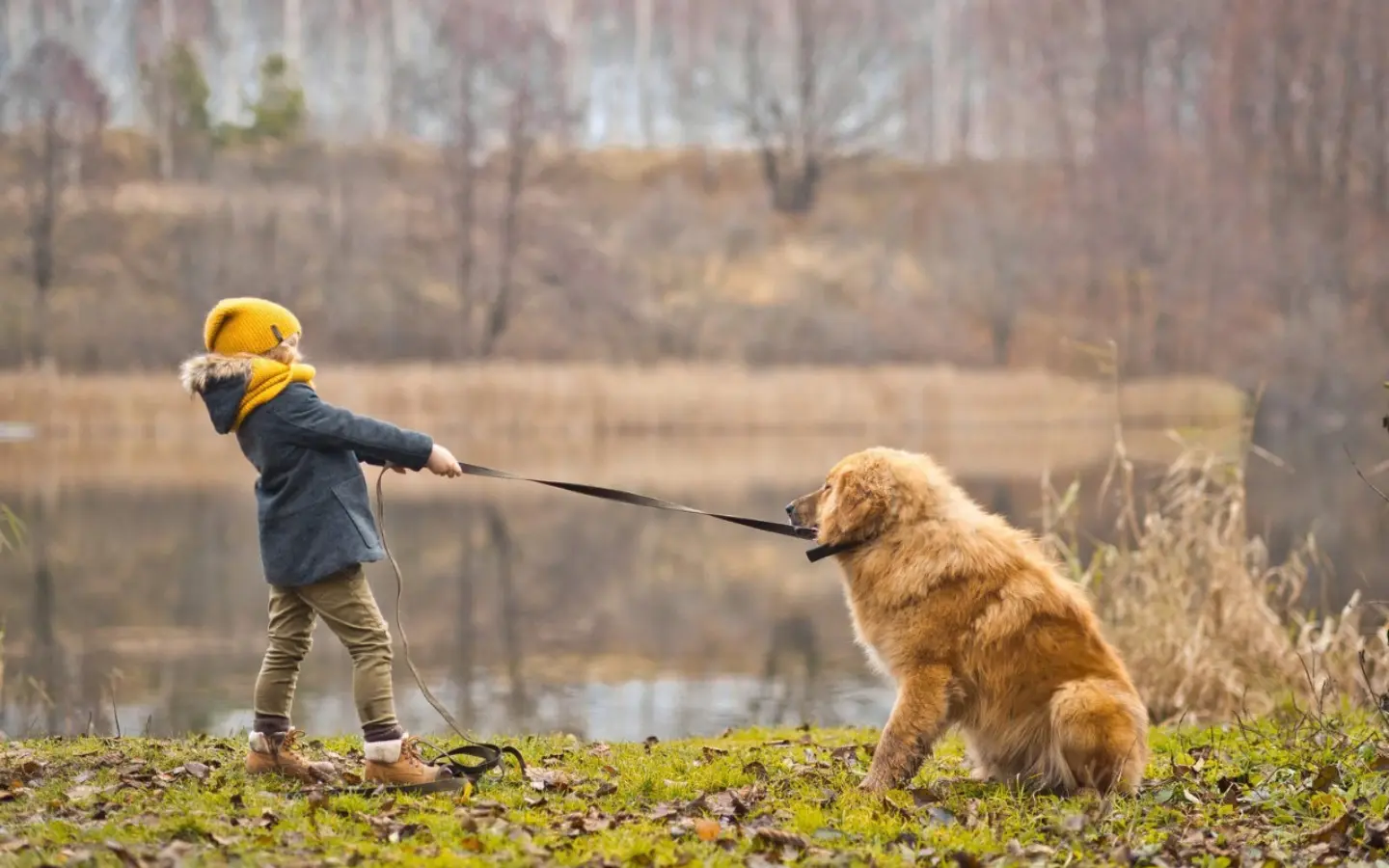
Although walking a responsive dog can be difficult, the right strategy can help to restore the pleasure of walks even with small changes. Just changing a leash can significantly improve your reactive dog’s walking experience, making it more pleasant for both you and your dog.
Learning Leash Reactiveness
Reactive dogs may bark, tug, or lunge when they perceive threats including other people or dogs. Best Friends reports that leash reactivity is usually caused by fear or frustration, and that the physical restraint of the leash can intensify these emotions. As handlers, we sadly help by instinctively tightening leashes, which just raises the dog’s stress level.
How a Leash Change Helps
Changing to another leash can significantly change everything. According to sourcePatricia McConnell, using a more flexible, slack leash relieves tension, therefore enabling the dog more movement and hence lowering their stress. Better control without needing continuous tension is provided by tools like a front-clip harness or a double-ended leash, so allowing handlers to manage their dog’s behavior with positive reinforcement rather than correction.
Training Techniques That Complement the Leash Change
Apart from a leash adjustment, it is very important to use positive reinforcement techniques. Reinforcing calm conduct when your dog sees a trigger helps him to connect rewards with calmness. Best Friends’ resources recommend methods like the “Look at That” game, which lets your dog notice a trigger and then turn back to you for a reward, therefore changing her emotional reaction.
Results and Real-World Impact
Embracing a new leash setup coupled with effective training methods results in less intense reactions or even none at all when facing triggers. Handlers report dogs becoming more attentive, responsive to cues, and experiencing less stress overall. As evidenced by YouTube source, these adjustments result in “not only fixing reactivity but also achieving 100% obedience on and off-leash.”
Conclusion
A simple change in your leash style can serve as a pivotal first step in transforming walks with your reactive dog. Along with positive training methods, this creates a foundation for calmer, more enjoyable walks. Remember, the journey to joyous, relaxed walks begins with understanding, patience, and the right equipment—a reminder that small adjustments can lead to significant transformations.
Take the first step towards stress-free walks by considering if a leash change could bring back the joy to your outings. For more detailed guidance, explore resources and consult with professionals in the field.
Explore more about leash reactivity and consider watching this informative video for additional insights.

