

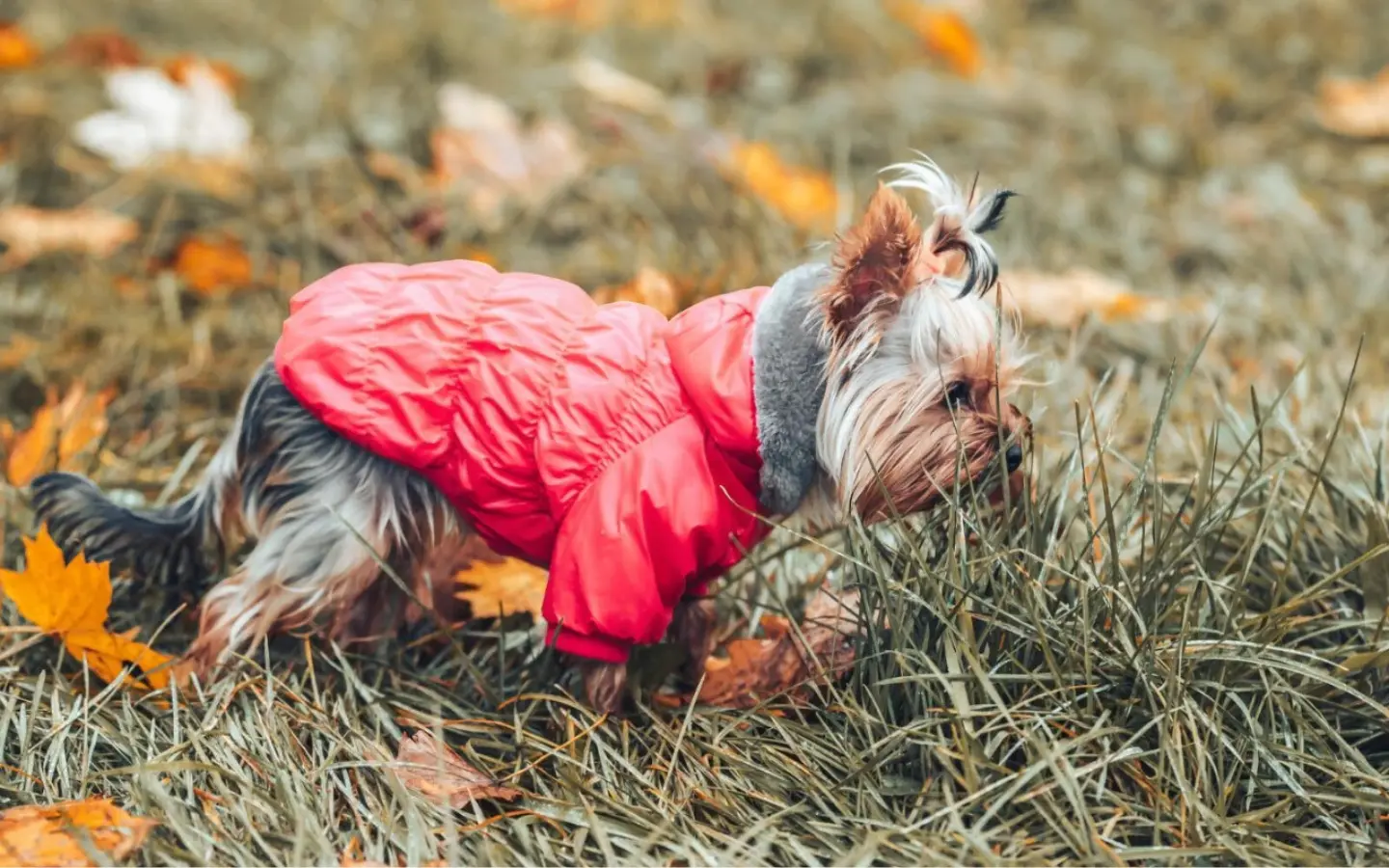
Helping Dogs Adjust to Wearing Raincoats on Various Surfaces: Strategies for Smooth Transitions
Dogs often struggle to adapt to wearing raincoats, especially when moving between different ground types like slippery tiles, gravel, or wet grass. The unfamiliar sensation of fabric rubbing against their body, combined with changes in traction, can cause hesitation, stiffness, or refusal to walk. By breaking down the adaptation process into manageable steps and using positive reinforcement, you can teach your dog to move confidently in a raincoat across any surface. Here’s how to approach this challenge effectively.
Start With Familiar Surfaces to Build Initial Confidence
Begin training in a quiet, controlled environment where your dog feels safe, such as a carpeted room or a smooth patio. These surfaces provide stable footing, reducing the likelihood of slipping or stumbling while they adjust to the raincoat’s weight and fit. Let them wear the raincoat for short periods (5–10 minutes) without moving, rewarding calm behavior with treats or verbal praise.
Once they’re comfortable standing still, encourage gentle movement by tossing a treat a few feet away or using a toy to prompt them to take steps. Keep sessions brief (2–3 minutes of walking) to prevent frustration. If they hesitate, avoid pulling the leash or pushing them forward—instead, kneel beside them and use encouraging tones to coax movement. Gradually increase the distance they walk in the raincoat, always rewarding effort, not just perfection.
Introduce Slippery Surfaces Like Tile or Hardwood Gradually
Smooth, polished floors can be intimidating for dogs wearing raincoats, as the fabric may alter their gait or reduce paw grip. To ease this transition, place non-slip mats or rugs on the floor to create “safe zones” where they can practice walking. Start by walking them back and forth on these mats, rewarding each step with a treat.
Once they’re steady on the mats, guide them onto the slippery surface for 1–2 steps at a time, then return to the mat for reinforcement. Use a happy voice and offer treats frequently to distract them from the sensation of sliding. If they panic or freeze, avoid scolding—instead, lift them gently onto the mat and try again later. Over time, they’ll learn to trust their footing even when the raincoat shifts slightly.
Practice on Uneven or Loose Surfaces Like Gravel or Mulch
Gravel, mulch, or sand can feel unstable underfoot, especially for dogs unaccustomed to wearing restrictive clothing. Begin by letting them explore these surfaces without the raincoat to gauge their natural comfort level. Once they’re relaxed, put on the raincoat and walk them along the edge of the surface (e.g., a gravel path next to grass) for short distances.
Use treats to reward steady steps and ignore minor stumbles. If they refuse to move, scatter a few treats on the ground to encourage foraging behavior, which naturally involves small, cautious movements. Gradually move deeper into the uneven terrain as they adapt, always staying close to support them if they slip. The goal is to normalize the sensation of the raincoat while navigating challenging ground.
Incorporate Wet Surfaces to Mimic Real-World Conditions
Raincoats are often worn in wet weather, so training on damp grass, puddles, or mud is essential. Start by lightly misting a patch of grass with water from a hose (avoid soaking it) and walking your dog across it while they wear the raincoat. The combination of moisture and fabric may feel odd at first, but rewards for calm movement will help them adjust.
If they’re hesitant, walk alongside them to provide physical support, or use a long leash to give them space to explore at their own pace. For puddles, toss treats into the water to encourage stepping in, or place a favorite toy just beyond the edge. Over time, they’ll associate wet surfaces with positive outcomes, even while wearing the raincoat.
Use Verbal Cues to Signal Surface Changes
Dogs rely on context clues to understand expectations. Teach them specific commands or phrases for different surfaces, such as “careful” for slippery floors or “steady” for gravel. Pair these cues with hand signals (e.g., a flat palm for “slow down”) to reinforce the message.
For example, before stepping onto tile, say “careful” in a calm tone and guide them with a treat. When they walk smoothly, reward them immediately. Consistency in using these cues across all surfaces will help them anticipate changes and adjust their movements accordingly, reducing anxiety about the raincoat’s impact.
Adjust the Raincoat Fit to Prevent Mobility Issues
A poorly fitting raincoat can restrict leg movement or rub against sensitive areas, making it harder for your dog to walk on any surface. Check that the garment allows full range of motion in the shoulders and hips. The leg straps should be snug but not tight, and the hood (if present) shouldn’t obscure their vision.
If the raincoat bunches up when they walk, trim excess fabric (if safe) or adjust the straps to lie flatter. Let them move around indoors without rewards to identify any discomfort points. A well-fitted raincoat will minimize distractions, allowing them to focus on adapting to the ground beneath them.
Train on Inclines or Declines to Build Overall Confidence
Hills or ramps add complexity to surface training, as gravity affects traction and balance. Start with a gentle slope (e.g., a ramp or a low hill) and walk your dog up and down it while they wear the raincoat. Use treats to reward steady footing and pause if they slip to regain balance.
For steep inclines, let them approach at their own pace, offering encouragement but not forcing movement. If they struggle, practice on flatter ground first and revisit the hill later. Overcoming inclines in a raincoat will strengthen their confidence in their ability to navigate any terrain.
Pair Surface Training With Obedience Commands
Combining raincoat adaptation with basic obedience reinforces focus amid distractions. Practice commands like “sit,” “stay,” or “heel” on different surfaces while your dog wears the raincoat. For example, ask them to “sit” on tile, then reward them before moving to gravel for “stay” practice.
This dual training helps them associate the raincoat with structured activities rather than discomfort. It also teaches them to obey cues regardless of ground type, improving their overall responsiveness in wet weather.
Monitor for Signs of Stress or Physical Strain
Watch for subtle cues that your dog is struggling, such as trembling, excessive panting, or refusing to move. These may indicate the raincoat is too heavy, the surface is too challenging, or they’re overwhelmed by the situation. Take breaks in a quiet area and offer water or a favorite toy to help them relax.
If they consistently resist a specific surface, revisit earlier steps (e.g., practicing on mats before tile) or consult a professional trainer for tailored advice. Never push them beyond their limits—progress should be gradual and stress-free.
Celebrate Small Wins to Maintain Motivation
Adaptation takes time, so acknowledge every achievement, no matter how minor. Reward your dog for wearing the raincoat without fussing, for taking two steps on gravel, or for walking calmly across a wet patio. Positive reinforcement strengthens their willingness to try new things, even when the raincoat feels unfamiliar.
Keep training sessions short (5–10 minutes) and end on a high note, such as a favorite game or treat. Consistency and patience will help them view the raincoat as a normal part of their routine, regardless of the ground beneath their paws.