

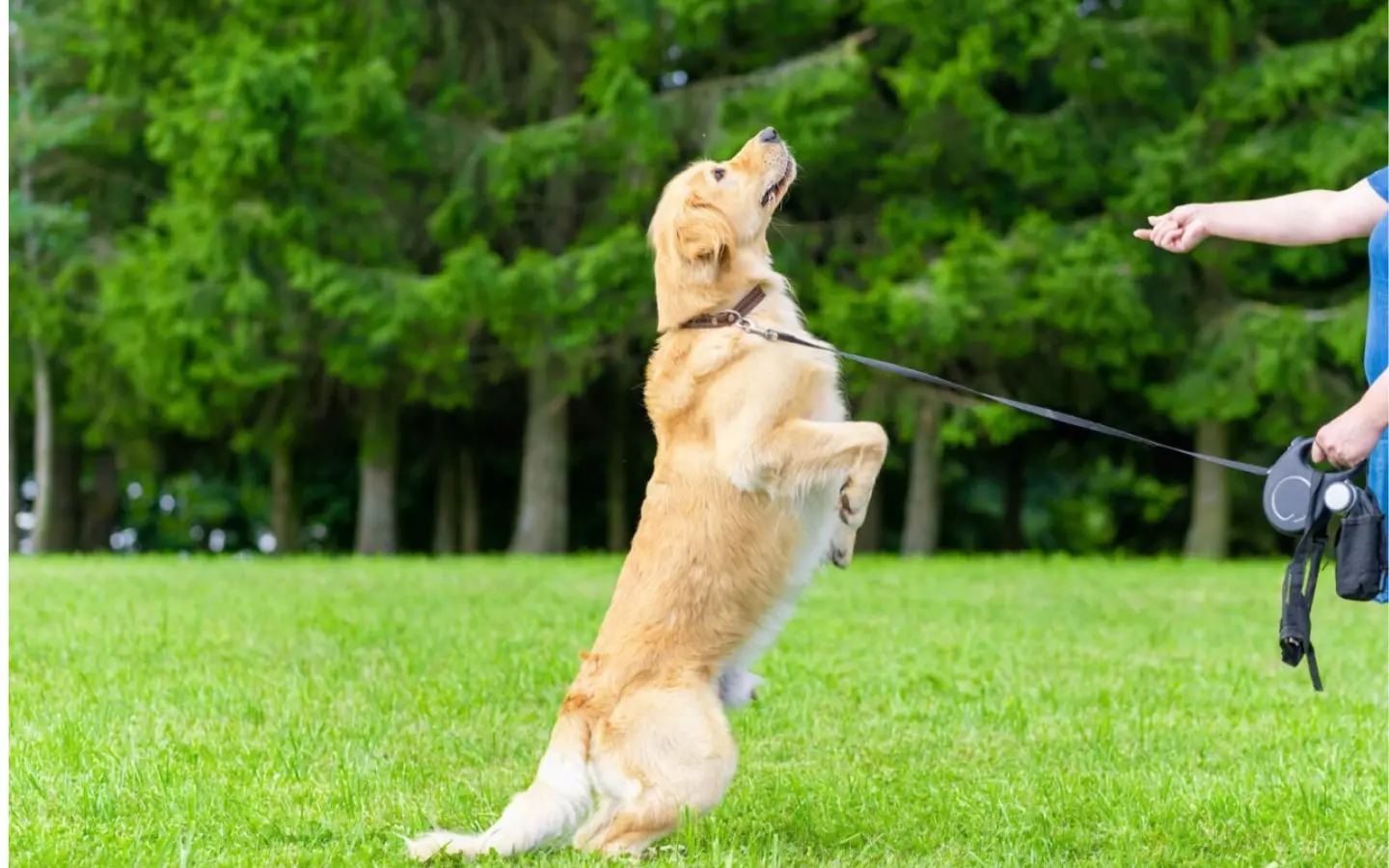
Choosing the perfect leash for your dog can be a daunting task, especially when deciding between a hands-free dog leash and a traditional leash. This guide, “Hands-Free Dog Leash vs Traditional Leash: Which One Works Better for You?”, will delve into the key differences and help you make an informed decision based on expert advice and research.
Understanding Hands-Free Dog Leashes
Benefits of Hands-Free Leashes
Hands-free dog leashes provide increased convenience and flexibility for active owners, particularly during activities like jogging, biking, or hiking. This type of leash allows you to multitask efficiently, freeing up your hands for carrying items, pushing a stroller, or simply enjoying a coffee.
Ideal Scenarios for Hands-Free Leashes
These leashes are best suited for well-trained dogs and situations where you need to handle other tasks simultaneously. They’re excellent for maintaining an active lifestyle without having to compromise on pet safety.
Considerations and Drawbacks
Despite their versatility, hands-free leashes might not offer the best control over strong or reactive dogs. The pulling force shifts to your center of gravity, which can pose potential strain on your waist or hips if your dog pulls unexpectedly. They are also less maneuverable in crowded or busy areas, making quick corrections more challenging.
Exploring Traditional Dog Leashes
Advantages of Traditional Leashes
Traditional leashes offer immediate and direct control, which is ideal for obedience and structured training. They are favored in scenarios that demand precise control and quick corrections, such as walking in crowded urban environments or training new or reactive dogs.
Best Use Cases for Traditional Leashes
These leashes are perfect for situations where control is paramount, such as managing strong pullers or reactive dogs. The traditional leash provides the easiest way to guide and redirect a dog effectively, ensuring safety for both the pet and the owner.
Downsides to Keep in Mind
While traditional leashes provide superior control, they also restrict your ability to multitask effectively as one hand is always occupied. Additionally, managing strong pullers can result in arm or shoulder strain over time.
Making the Best Choice for You and Your Dog
Ultimately, the decision between a hands-free dog leash and a traditional leash should be based on your dog’s behavior, your lifestyle, and the specific activities you both enjoy. For active outings and well-behaved dogs, a hands-free leash is an excellent choice. However, for urban walks, new dogs, or training sessions, sticking to a traditional leash might be more advantageous.
Consider owning both types to switch between them as needed, ensuring that you can adapt to any situation effectively. Always evaluate the strength and temperament of your dog to choose a leash that offers the best control and comfort.
In conclusion, choosing the right leash is about finding a balance between convenience and control. By assessing your specific needs and preferences, along with the considerations outlined in this guide, you’ll be well-equipped to decide “Hands-Free Dog Leash vs Traditional Leash: Which One Works Better for You?”.
Call to Action: Share your thoughts or experiences with different types of leashes in the comments below. Do you prefer hands-free convenience, or is the control of a traditional leash more your style? Let’s discuss!