

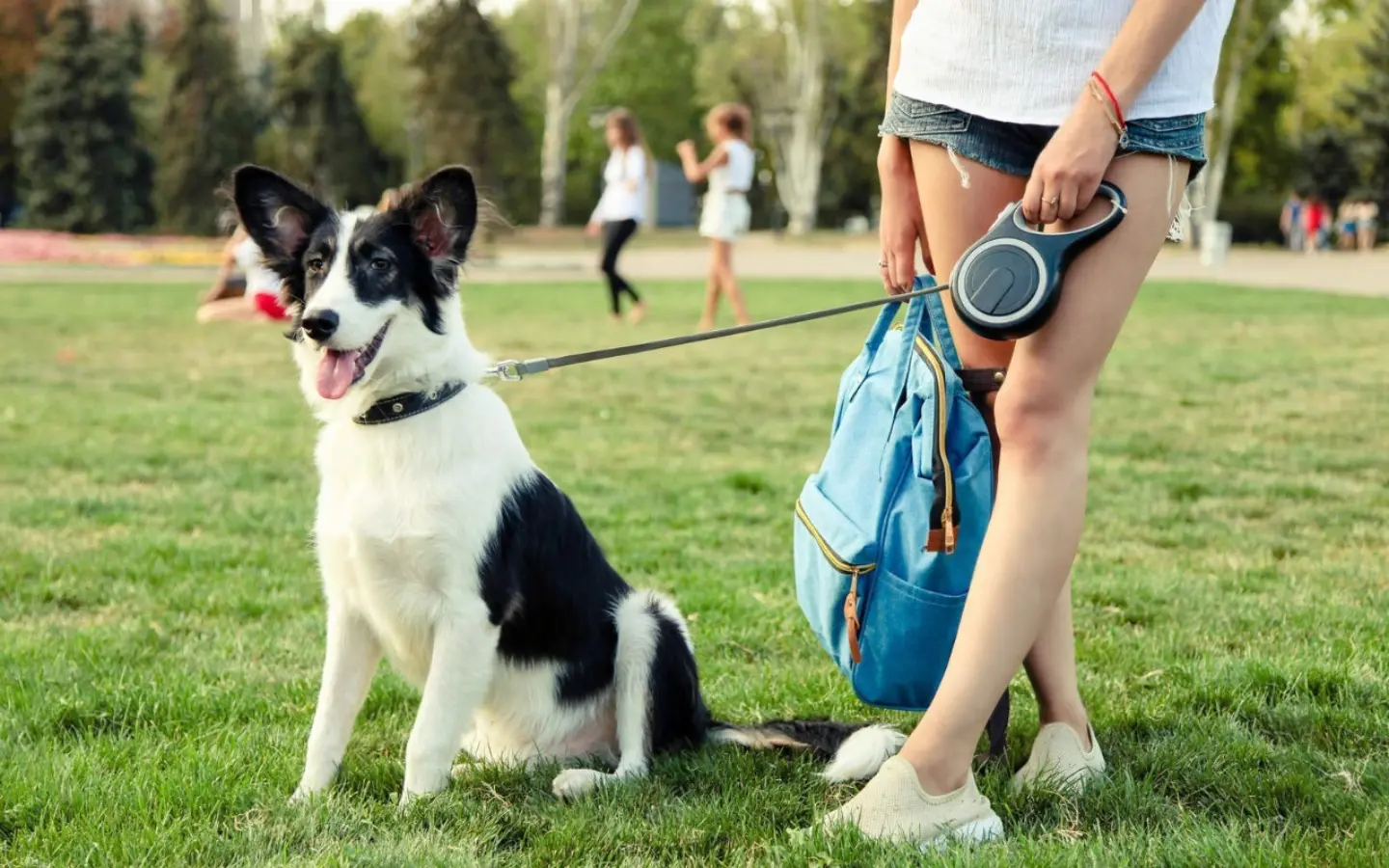
Walking a stubborn or energetic dog can be a challenging task, but “How a Hands-Free Dog Leash Improves Leash Training for Stubborn Dogs” is transforming this experience for many pet owners. Hands-free leashes, which attach securely around the waist, are growing in popularity as they provide a more relaxed and efficient way to guide your dog during walks. This innovative approach not only enhances leash training but also strengthens the bond between you and your canine friend.
Benefits of Hands-Free Leash Training
Utilizing a hands-free dog leash provides several distinct advantages that can make managing a stubborn dog significantly easier:
Frees Up Your Hands
By freeing up your hands, a hands-free leash allows you to multitask with ease. Whether it’s answering a call, managing a stroller, or simply enhancing communication through gestures, this tool makes the overall walking experience more enjoyable.
Promotes Relaxed Leash Behavior
Unlike traditional leashes, hands-free leashes encourage a looser, more relaxed connection. This reduces the temptation to jerk or pull, fostering a calmer, more responsive dog.
Enhances Communication
Your body movements issue clearer signals to your dog, making it easier for them to learn cues such as “heel” and “stop.” When you stop, the leash naturally stops, directly linking your motion with their expected behavior.
Reduces Leash Pulling
For dogs prone to pulling, a hands-free leash provides immediate feedback through body cues, effectively minimizing this behavior by promoting attention to your pace and direction.
Useful for Energetic Dogs
Energetic or headstrong dogs benefit uniquely, as the hands-free approach keeps them more aligned with your movements, preventing them from straying or becoming distracted.
Training Tips for Stubborn Dogs
Training a stubborn dog with a hands-free leash requires patience and consistency. Here are some expert tips to keep in mind:
Start Indoors
Begin training sessions inside your home. This reduces distractions and helps your dog get accustomed to the mechanics of the hands-free leash. source
Minimize Distractions
Initially practice in areas with minimal distractions, like your yard, before moving to more stimulating environments.
Reinforce Basic Commands
Use the hands-free setup to reinforce foundational commands like “sit,” “stay,” “heel,” and “come,” combining verbal cues with body language for greater clarity.
Use Positive Reinforcement
Reward your dog consistently with treats, praise, or play whenever they respond correctly to commands or walk calmly, fostering good habits over time.
Keep Sessions Short and Consistent
Regular, short training sessions are more effective than infrequent, lengthy ones. Use gentle corrections if your dog becomes distracted.
Teach Impulse Control
Hands-free leash training is perfect for working on impulse control. Reward calmness and use directional changes to maintain your dog’s focus.
Handle Excitement with Ease
When faced with distractions such as other dogs or noises, maintain a calm demeanor and use movement and rewards to refocus your dog.
Addressing Challenges with Stubborn Dogs
Stubborn dogs need more frequent redirection. When distractions occur, use your body to bring your dog back to focus, rewarding them as soon as they regain attention. If resistance occurs, your stationary body will naturally communicate the need to stop, reinforcing calm walking behavior.
Quick Reference Table: Hands-Free vs. Traditional Leash Training
Feature | Hands-Free Leash | Traditional Leash |
Handler Control | Uses full body cues | Uses arm/hand tension |
Hands Available | Yes | No |
Pulling Response | Immediate stop via body | Lag due to hand/arm movement |
Training Focus | Promotes calm, consistent walking | May lead to accidental jerking |
Best for | Stubborn, energetic, multitasking | General, basic walking |
Final Tips
Gradually introduce more distractions as your dog improves. Prioritize safety by ensuring your hands-free leash is secure and be mindful of your surroundings. For added convenience, consider treat pouches or interactive toys that can attach to the leash.
By integrating these strategies, using “How a Hands-Free Dog Leash Improves Leash Training for Stubborn Dogs” can turn daunting walks into enjoyable experiences for both you and your dog. With patience and positive reinforcement, hands-free leash training can ultimately lead to a more harmonious and fulfilling relationship with your furry companion.