

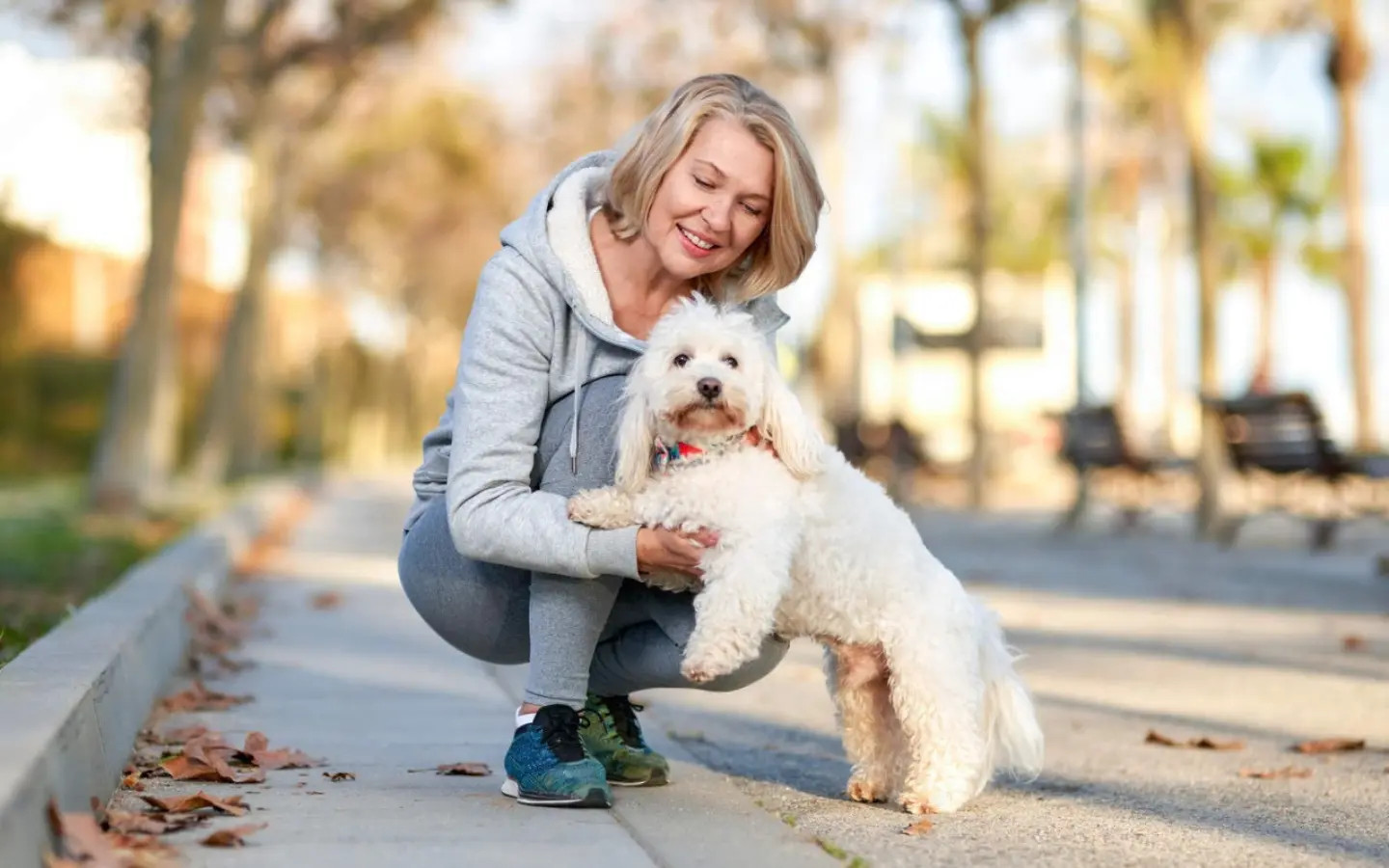
For elderly people, especially those dealing with joint problems, the change from a conventional leash to a hands-free dog leash presents great advantages. However, is a hands-free dog leash really appropriate for elderly dogs with joint problems? Let’s examine the evidence and downsides so that you can decide wisely.
Know HandsFree Dog Leashes
Designed to hang from the shoulder or waist, hands-free dog leashes let parents walk their dogs without having to carry one. This arrangement provides great benefits for seniors with joint problems as it evenly spreads the force over the body.
Key Benefits for Seniors with Joint Issues
Reduced Arm and Shoulder Strain
For seniors experiencing arthritis or joint pain, the relief from arm and shoulder strain is perhaps the most significant benefit. By transferring the tension away from the upper body, hands-free leashes, as discussed on Hund Denmark make walking more comfortable.
Enhanced Safety and Stability
The added safety and stability offered by hands-free leashes cannot be overstated. When a dog unexpectedly pulls, the force is absorbed by the torso rather than isolated to the arms, enhancing balance and preventing falls—a crucial feature for elderly individuals.
Greater Independence and Convenience
A hands-free experience facilitates multitasking, allowing seniors to manage their everyday tasks effortlessly while walking dogs. Whether it’s carrying groceries or opening doors, the convenience is transformative (source).
Additional Benefits
- Encourages Outdoor Activities: Reduced fatigue and discomfort promote longer walks.
- Versatile Use: Adjustable lengths provide adaptability for different environments.
- Ideal for Limited Hand Dexterity: Perfect for those who struggle with gripping traditional leashes (source nofollow).
Challenges of Hands-Free Dog Leashes
Balance and Strength Requirements
However beneficial, hands-free systems aren’t without their considerations. Seniors must consider their balance capabilities; a strong or erratic dog could compromise stability (source). Thus, these leashes are optimal for well-trained, calmer dogs.
Proper Fit and Training
Correctly fitting the leash around the waist or body is crucial. Equally, dogs must be trained to avoid lunging to maintain the owner’s balance.
Suitability for Everybody
Hands-free leashes aren’t always best, particularly for elders with great mobility problems or those with extremely large or untrained dogs.
finally
For many, the answer is a strong yes; is a handsfree dog leash the best option for senior dogs with joint problems? For both the owner and the pet, these leashes give freedom, comfort, and steadiness. Make sure the leash is properly fitted before you make the change and start a progressive training program for senior and dog to maximize safety and pleasure.
Call to Action
Curious about how hands-free dog leashes could improve your walks? Explore options and find the perfect fit for your lifestyle today, and experience enhanced walking freedom and comfort. Share your thoughts or experiences in the comments!