

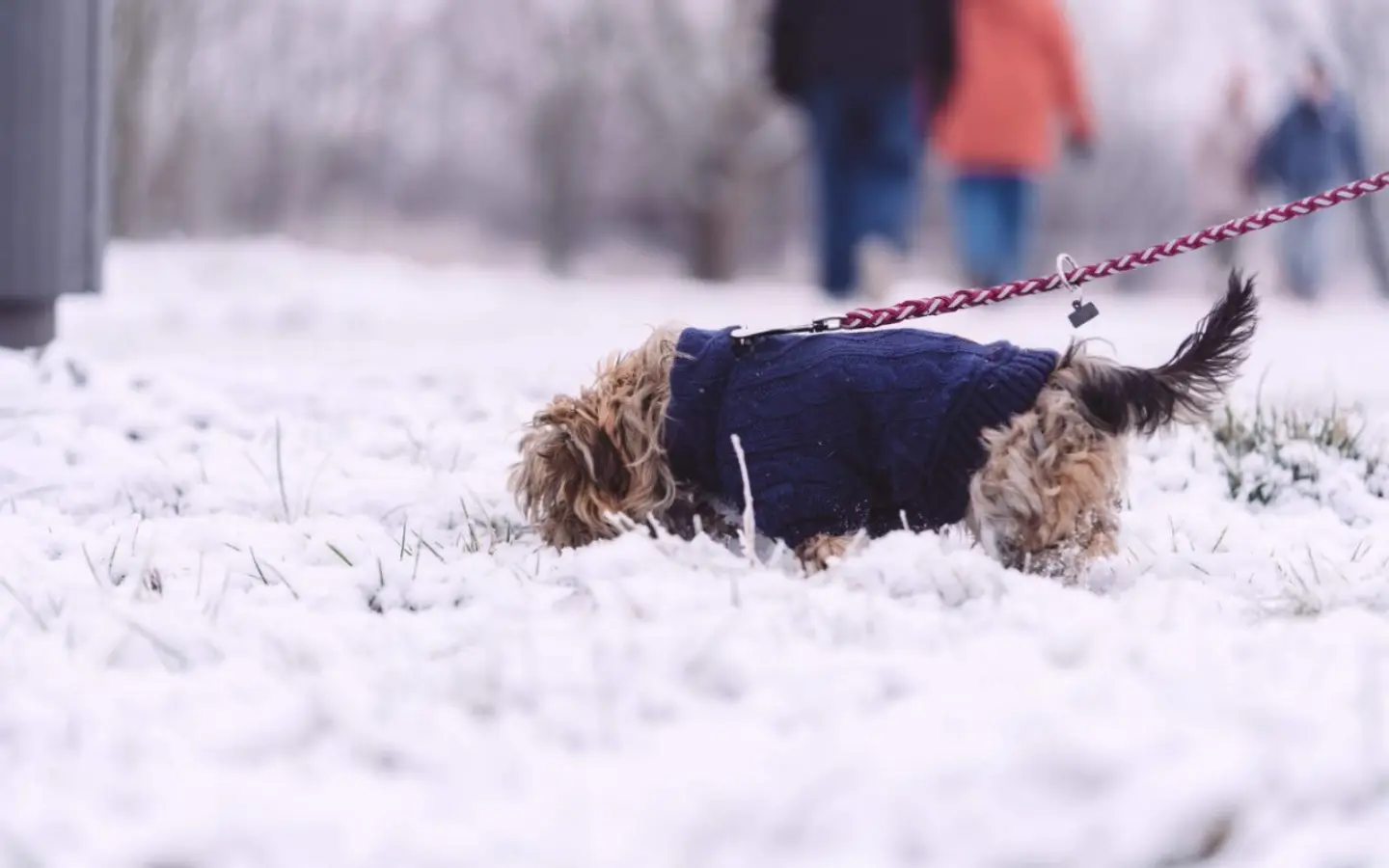
Walking your dog during adverse weather conditions poses unique challenges. Have you ever wondered, “Can you use a hands-free dog leash in bad weather?” Fear not, as we’ve compiled essential tips for every season to ensure enjoyable and safe outdoor adventures with your furry friend.
Choosing the Right Leash Material
The selection of appropriate leash material is crucial, especially in bad weather. Leashes made from waterproof and durable materials like Petsflow are ideal. These materials are resistant to soaking, bacteria, and unpleasant odors, making them perfect for wet, muddy, or snowy conditions. When choosing a leash, prioritize those specifically designed for adverse weather.
Optimal Hands-Free Placement
To better your balance and lower your risk of sliding, fix the leash around your hips or across your body.This approach gives stability, so important when navigating slippery surfaces like rain-soaked roads or icy routes.Wearing the leash properly guarantees your safety and helps you escape unforeseen lunges or tugs without injury.
Safety with Strong or Reactive Dogs
Hands-free systems are best reserved for dogs well-trained not to lunge or pull hard. Bad weather exacerbates the danger of sudden movements, so if your dog is unpredictable, it’s wise to stick with a standard leash for enhanced control. Keep a hand on the leash to prevent unforeseen events from turning into accidents.
Enhancing Visibility
In gloomy or dark winter weather, it becomes vital to use a leash with reflective elements or pair it with reflective gear. Ensuring you and your pet are seen is paramount, minimizing the risk of unfortunate incidents during low visibility conditions.
Quick-Access Features for Emergencies
Hands-free leashes that convert to handheld or come with traffic handles are advantageous. They allow you to rapidly reel your dog closer if the conditions demand it, providing additional security and peace of mind.
Dressing Appropriately
When your hands stay free, winter walks become more pleasant as they let you keep them in pockets or wear gloves.Keeping body warmth while guaranteeing you keep command of your canine buddy is made possible by this easy tweak.
Adapting to Hazardous Conditions
In dangerous weather, shortening the leash becomes necessary. Reducing leash length minimizes trip hazards and maximizes management, particularly on icy or unstable surfaces. Greater assurance and control always contribute to safer dog walks.
Training and Preparation
Before facing challenging weather, practice using the hands-free leash to grow accustomed to quickly releasing or adjusting the system. This preparation enhances both comfort and confidence during outdoor activities.
Staying alert to distractions and hazardous conditions is critical. Avoid distractions such as mobile phones while out walking, allowing your full attention to remain on your surroundings and your pet.
Conclusion
Effectively using hands-free dog leashes in bad weather hinges on proper gear selection, training, and adopting extra precautions for safety and visibility. By implementing these seasonal tips, you can answer positively to whether you can use a hands-free dog leash in challenging weather.
We invite you to share your experiences and tips on walking your dog during different seasons. Feel free to leave a comment below, and ensure you never miss our future updates by subscribing to our newsletter. Happy walking!