

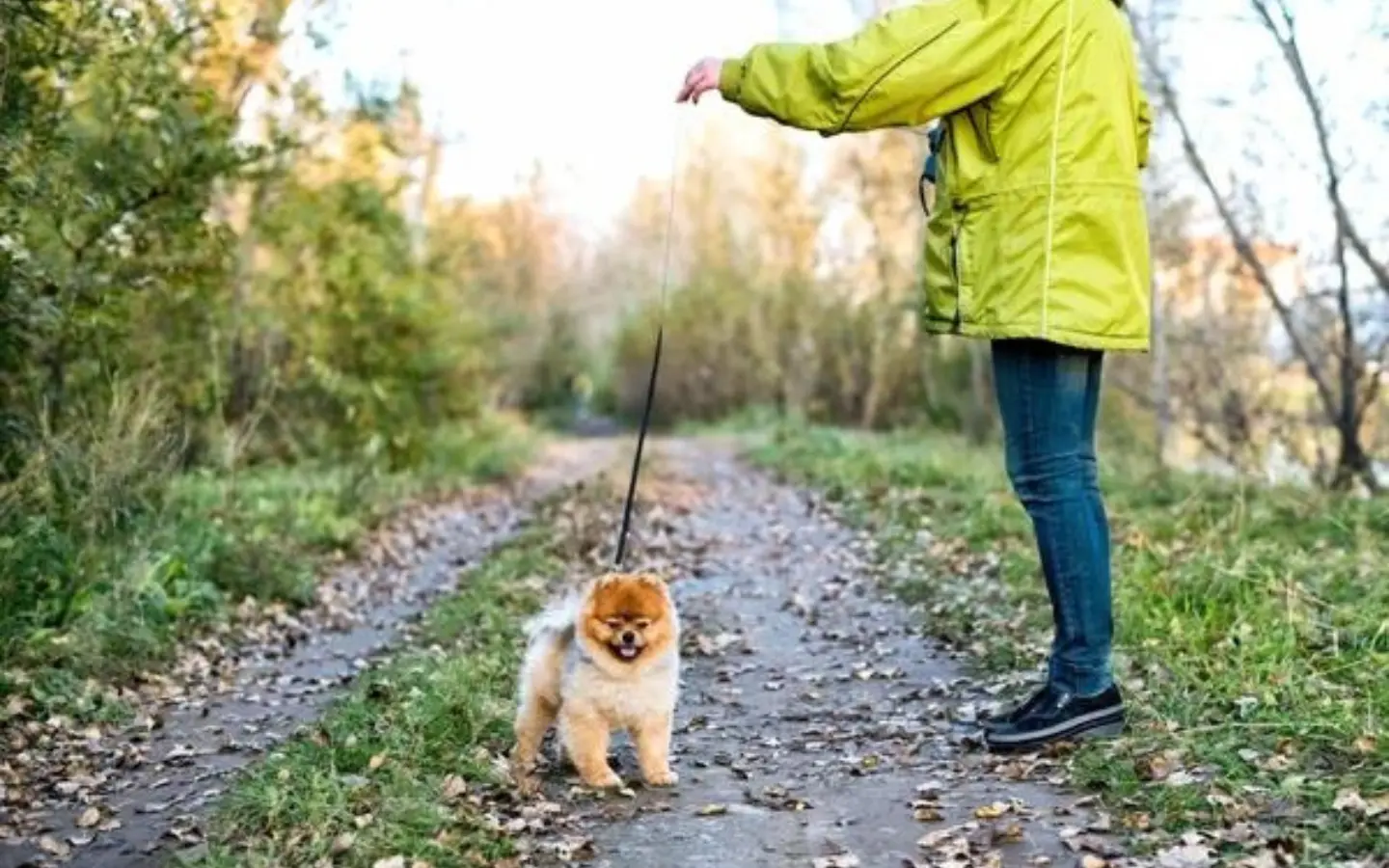
Starting your first stroll with a hands-free dog leash is an interesting but demanding endeavor. Switching from conventional leashes to handsfree systems presents many advantages but calls for a deliberate strategy to guarantee success. A thorough manual on what to anticipate and advice for a first, fruitful date with your handsfree dog leash is here.
Understanding Hands-Free Dog Leashes
Hands-free dog leashes are designed to provide pet owners with greater convenience and control. They typically attach around your waist, leaving your hands free for other activities. However, it’s important to understand that these leashes are not substitutes for proper training and may not be ideal for dogs that tend to pull.
Preparing for Your First Walk
-
Keep Your Dog Close Initially
During the initial walks, use the adjustable length feature to keep your dog close. This is crucial in maintaining better control and establishing comfort with this new system for both you and your pet.
(Source: BuddySys Blog)
-
Start in a Controlled Environment
Begin your hands-free leash training indoors or in a quiet area. This allows your dog to get accustomed to being attached at your waist without external distractions. Once your dog is comfortable, you can gradually increase the complexity of the environment.
-
Maintain Training and Commands
While the hands-free leash is a useful tool, it does not replace training. Continue to use regular cues such as “heel” or “leave it,” and reward calm behavior. Consistent commands help your dog stay focused and understand expectations.
Tips for a Successful Walk
-
Practice Safety and Control
Safety is paramount when walking your dog. Always be vigilant of your dog’s actions and the surroundings. Most hands-free leashes come equipped with a secondary handle for quick manual control during unexpected situations.
-
Gradual Introduction to Distractions
Extend walks and introduce more complex environments as your dog’s impulse control improves. Gradually exposing your dog to different stimuli can enhance their adaptability and reinforce positive behavior.
-
Patience and Positive Reinforcement
Each dog will acclimate to a hands-free system at their own pace. Patience is crucial. Offer positive reinforcement such as treats and praise to encourage your dog’s progress.
-
Benefit of Free Hands
One of the significant advantages of hands-free leashes is the freedom they afford. Without the need to constantly hold a leash, you can engage in other activities like jogging or carrying items, making outings more enjoyable for both you and your pet.
Conclusion
Transitioning to a hands-free dog leash on your first walk is a process that emphasizes comfort, control, and positive reinforcement. By keeping your expectations realistic and allowing your dog to gradually adjust, you lay the groundwork for successful, stress-free walks. Remember, the focus should be on reinforcing good leash behavior and enjoying the freedom and convenience that hands-free leashes provide.
For further resources and guidance, consider visiting reputable dog training websites or consulting with pet training professionals. Embrace the journey of leash training, and before long, you and your furry friend will be confidently navigating the streets with ease.
Happy walking!