

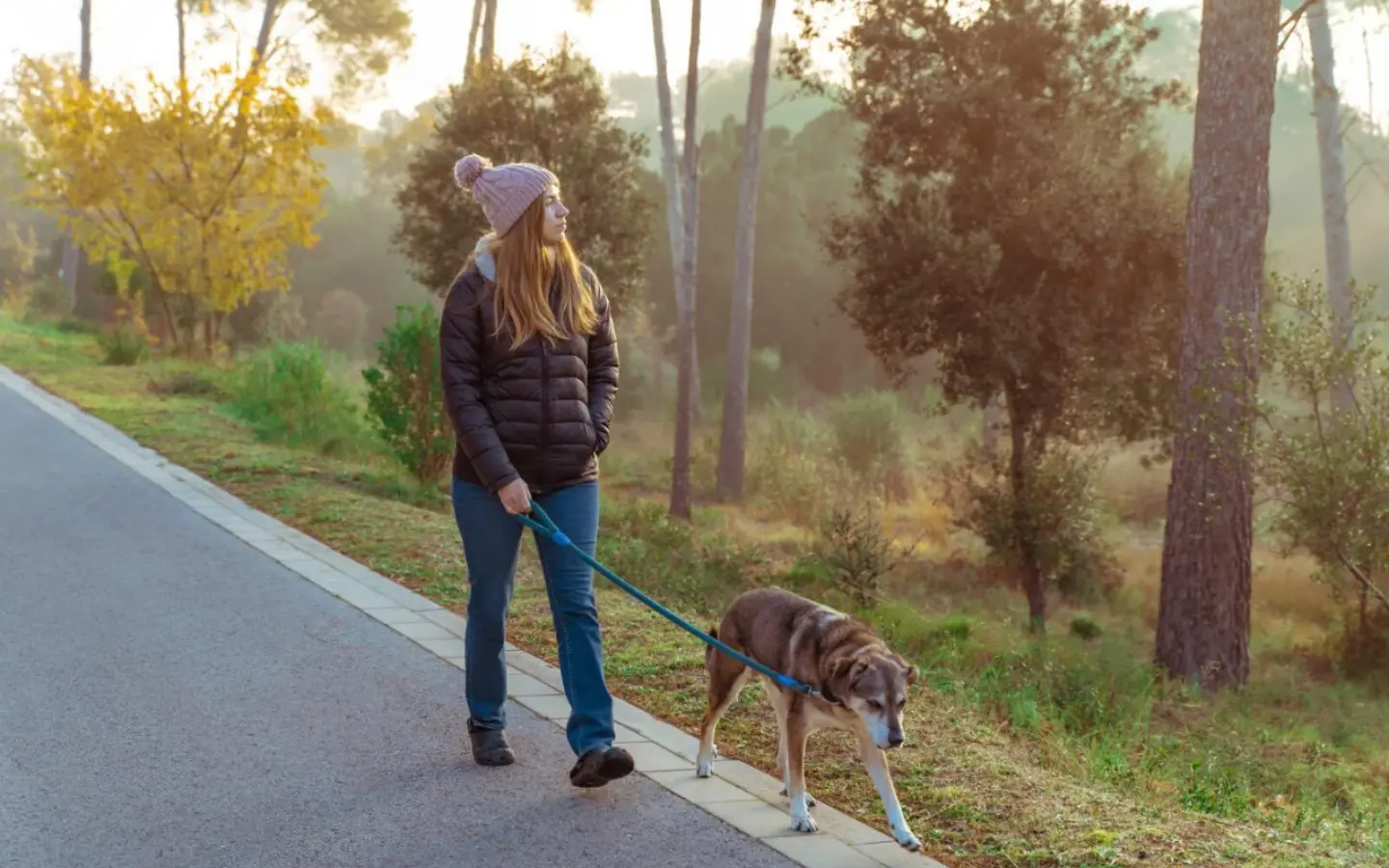
Walking your dog can be a delightfully engaging experience, especially when you have the right tools. One such tool that is gaining popularity among dog owners is the hands-free dog leash. This guide delves deep into understanding and utilizing this innovative product for safer, stress-free walks with your furry friend.
Understanding the Hands-Free Dog Leash
A hands-free dog leash is designed to attach around your waist or across your body, freeing up your hands and offering greater comfort, safety, and convenience during walks, runs, or hikes with your dog. This innovative tool allows for a more relaxed pace and natural walking posture, making your outings more enjoyable.
Benefits of Using a Hands-Free Dog Leash
- Greater Mobility: It allows you to jog, push a stroller, or carry items without the hassle of a traditional leash.
- Enhanced Comfort: Both you and your dog will experience improved comfort, as it encourages a natural walking posture.
- Increased Safety: By attaching the leash to your waist or chest, it provides added stability and control over typical hand-held leashes.
How to Use a Hands-Free Dog Leash for Safer, Stress-Free Walks
Fit and Secure the Belt or Strap
To start, adjust the belt (or cross-body strap) to fit snugly around your waist or torso. This ensures that the leash isn’t too tight or too loose, providing you with optimum comfort and safety. Fasten any buckles or Velcro closures securely.
Attach the Leash to Your Dog’s Harness
For maximum control and to protect your dog’s neck, clip the leash to a well-fitted harness, especially for dogs that may pull. Avoid attaching the leash to a collar to prevent strain on your pet’s neck.
Connect the Leash to the Belt
Attach the leash’s clip to the D-ring or designated attachment point on the belt or strap. This connection is crucial for a hands-free experience.
Adjust the Leash Length
Set the leash length so your dog can walk comfortably beside you without hanging too far behind or getting too much distance ahead. Most hands-free leashes offer adjustable lengths for this purpose.
Test Indoors or in a Safe Area First
Before hitting busy streets or trails, practice indoors or in a quiet area. This allows both you and your dog to get accustomed to the feel and response of this system.
Monitor Your Dog and the Environment
While hands-free implies ease, it doesn’t translate to attention-free. Be vigilant about your surroundings and monitor your dog’s behavior to avoid hazards or distractions.
Key Safety Tips
- Regular Equipment Inspection: Before each outing, check all components for wear or weaknesses.
- Choose Safe Paths: Prefer safe, low-traffic environments such as parks or sidewalks over crowded areas.
- Quick Release Readiness: Familiarize yourself with unclipping mechanisms so you can swiftly detach in emergencies.
- Training is Crucial: Use with dogs that are leash-trained and responsive; avoid using with untrained or highly reactive dogs.
Conclusion
Using a hands-free dog leash can significantly enhance your walking experience, offering mobility and comfort while ensuring your pet’s safety. By following these steps and precautions, you will enjoy safer and stress-free walks with your canine companion. For a more comprehensive understanding, check out resources from Petsflow shop. Don’t hesitate to experiment and discover the endless possibilities this leash offers on your adventures with your pup.
Call to Action: Feel free to share this guide with fellow dog lovers or leave your comments below to share experiences or ask questions about hands-free dog walking.