

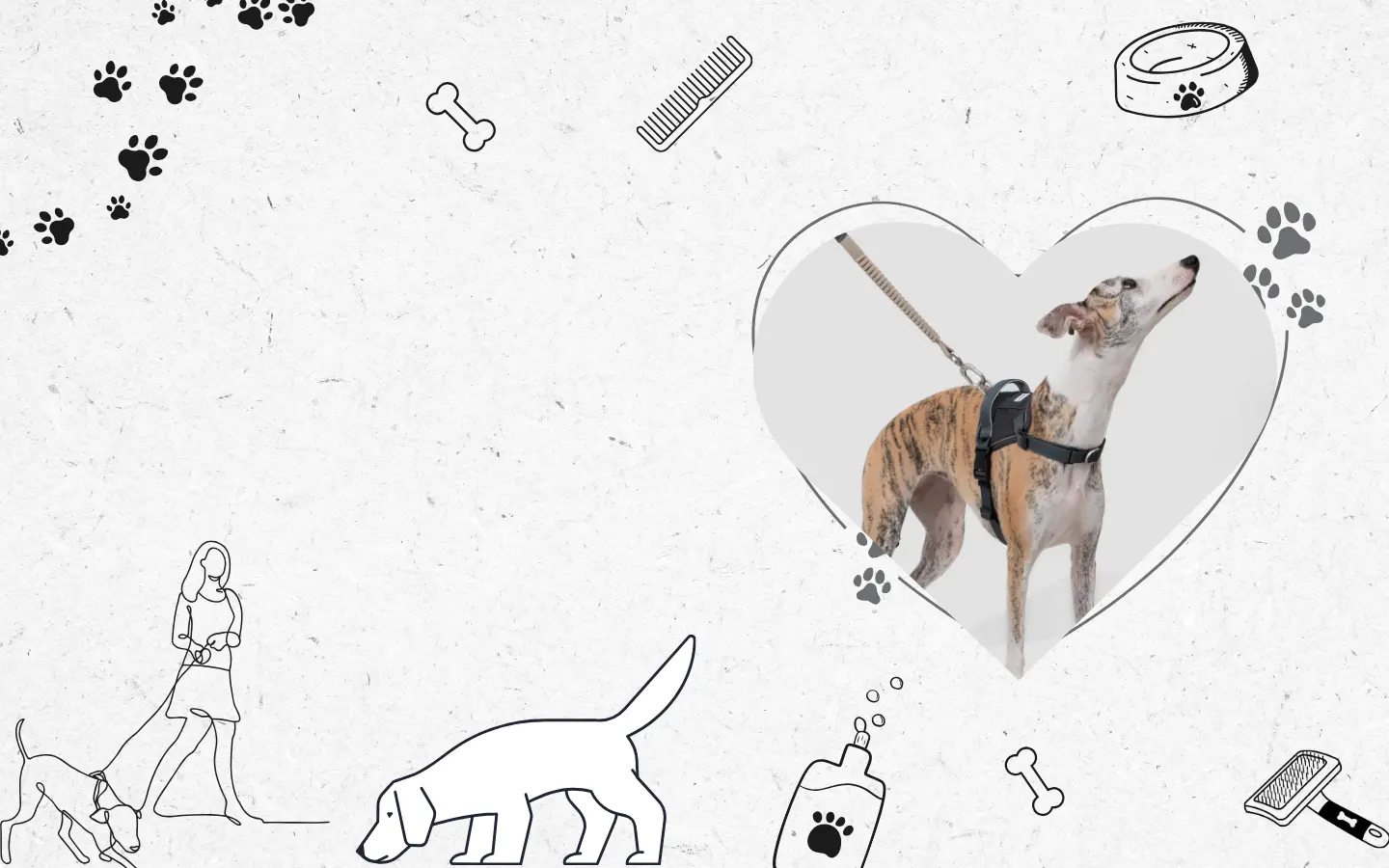
Hands-free dog leashes have become a practical instrument for those who value outside activities with their furry buddies in the always changing world of pet accessories. However, how do you utilize a hands-free dog leash safely in several weather circumstances? Ensuring both your safety and pleasure for your dog depends on your grasp of the subtleties of using this tool successfully in several weather situations. Regardless of the weather, this guide will examine expert advice and methods on how to get the most from your hands-free leash.
Key Safety Tips for All Weather Conditions
Choose the Right Materials and Features
When selecting a hands-free dog leash, prioritize materials that are durable and weather-resistant to withstand rain, snow, or heat without degradation. It’s crucial to ensure the hardware is corrosion-resistant, which is essential for humid or wet environments. For the ultimate safety, look for leashes that have been field-tested in outdoor conditions.
Positioning Matters
Wear the leash belt around your hips rather than your waist. This anatomical positioning distributes the pulling force more evenly across your body, reducing the risk of injury such as back or abdominal strain if your dog lunges forward.
Always Use a Harness
Connect the leash to a well-fitted harness instead of a collar. This precaution is essential to prevent choking or neck injuries, especially if your dog tends to pull. A harness provides better control and is a safer choice for dynamic walks.
Monitor and Train Your Dog
It’s paramount to use hands-free leashes with well-trained dogs that don’t tend to lunge or pull hard. For dogs displaying reactive or unpredictable behavior, proper training should precede the adoption of hands-free setups to ensure control and safety.
Inspect Gear Regularly
Exposure to mud, moisture, snow, or sun can gradually wear down your leash. Regularly inspect the equipment for signs of wear, such as fraying or rust. Replacing damaged gear immediately ensures safety is not compromised.
Maximize Visibility
For walks during low-light conditions like early mornings or late evenings, choose a leash with reflective material or attach LED lights to enhance visibility. This increases safety for both you and your dog by making you more noticeable to others.
Practice Removal and Control
In emergencies, such as sudden dog behavior changes, being able to quickly detach the leash is crucial. Opt for systems with quick-release mechanisms for increased safety.
Stick to Safe Paths
Avoid hands-free walking in slippery, icy, or crowded areas if possible. Choose clear, safe routes to minimize the risk of falls or split-second control needs.
Weather-Specific Considerations
Rainy or Wet Weather
- Ensure the leash dries thoroughly after exposure to rain to prevent mold and corrosion.
- Non-slip, padded belts are advisable for improved grip and comfort in wet conditions.
Hot Weather
- Utilize belts and harnesses made from materials that prevent chafing and overheating.
- Avoid walking on hot, paved surfaces that can harm your dog’s paws.
Cold or Icy Conditions
- Select gloves that allow dexterity for quick engagement with leash features.
- Regularly check the leash hardware for ice buildup to maintain functionality.
When Not to Use Hands-Free Leashes
Avoid these leashes for large, strong, or reactive dogs that may lunge without warning, as it can result in a loss of control and potential injury. In environments full of distractions, such as wildlife, traditional leashes might offer more precise control.
Additional Practical Tips
- Keep distractions like your phone away to remain alert during walks.
- Consider a leash with adjustable length for versatile management in various settings.
- Always be ready to manually intervene by keeping a hand on the leash when uncertain of your dog’s behavior.
Limitations
The effectiveness of hands-free leashes heavily relies on your dog’s training and your attentiveness. Durability and safety features can differ significantly between brands, so always follow the manufacturer’s instructions and recommendations.
By adhering to these critical practices and adjustments for weather-specific conditions, hands-free dog leashes can provide a safe, enjoyable way to accompany your dog in various activities. Keeping these tips in mind will ensure both comfort and security for you and your canine companion.