

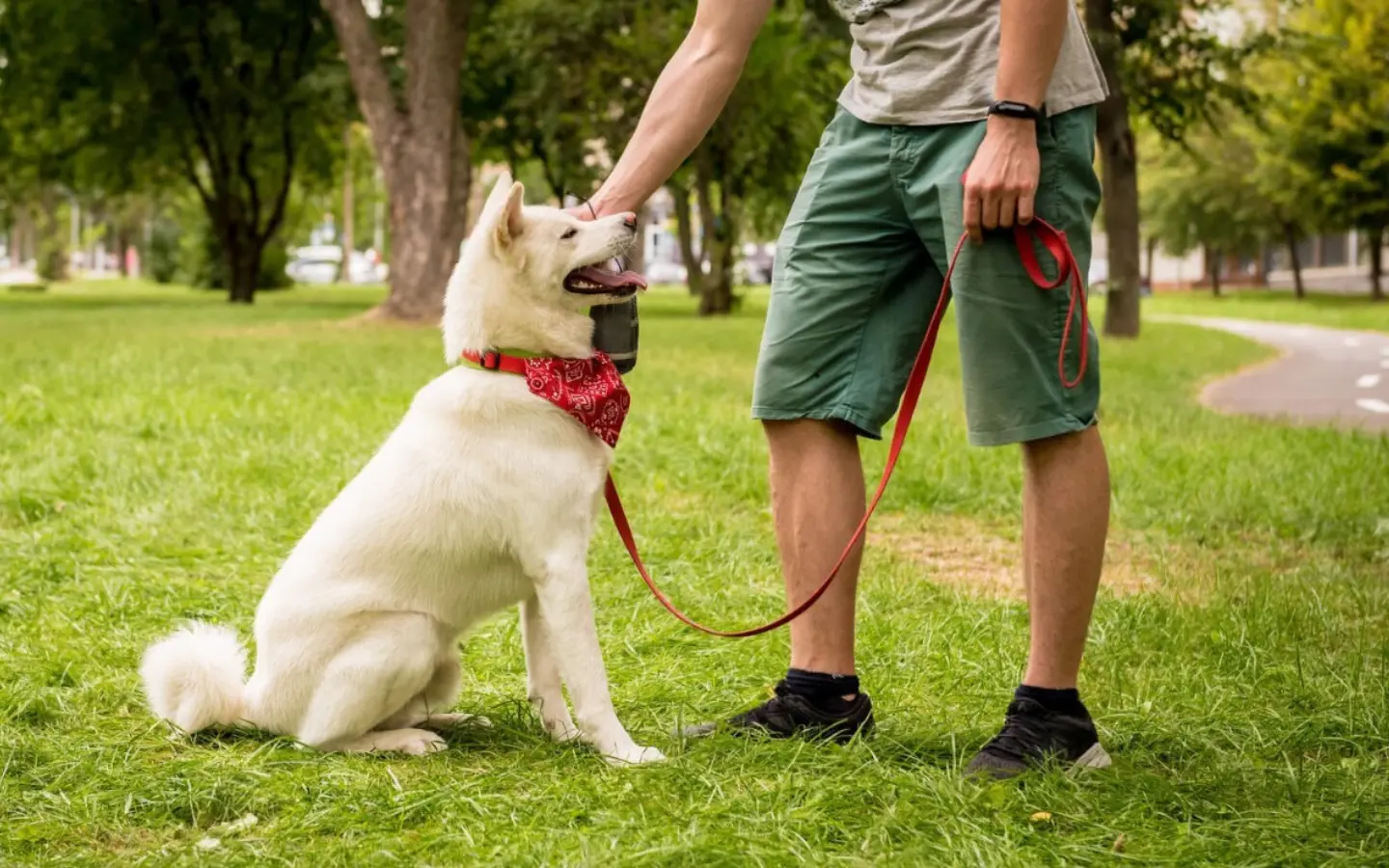
Walking your dog is a daily ritual that offers more than just exercise; it’s a chance to bond. Yet, when using a hands-free dog leash, owners often make errors that compromise safety and comfort. In this article, we’ll explore what mistakes do owners make when using a hands-free dog leash and how to avoid them to ensure both you and your canine companion enjoy every walk.
Common Mistakes with Hands-Free Dog Leashes
Wearing the Belt Incorrectly
One of the most frequent mistakes is wearing the belt too loosely or too tightly. A loose belt can slip and bounce, causing discomfort and distraction, while a tight belt may chafe your waist and impede breathing. Always ensure that your belt is snug but comfortable, offering support without restriction.
Choosing the Wrong Leash Length
Different dogs have different energy levels and need appropriate leash lengths. A leash that’s too short can frustrate active dogs, while one that’s too long can reduce control, particularly in busy areas. It’s crucial to match your leash choice with your dog’s activity level and the walking environment.
Improper Attachment
An incorrect attachment to your dog’s harness or collar can disrupt their gait, cause discomfort, and increase pulling. Always ensure that attachments are secure and adjusted properly to maintain your dog’s comfort and control during walks.
Misconceptions About Hands-Free Leashes
Loss of Control
Many owners assume that a hands-free leash means losing control over their dog. However, with the right technique and proper equipment selection, hands-free leashes can offer both freedom and control. Check out this insight on maintaining control.
Suitability for Pullers
Hands-free leashes are not advisable for dogs that pull excessively as they can lead to imbalance and potential injury for the owner. These leashes are best for well-trained dogs or those participating in activities like canicross, where pulling is part of the sport. Explore more about this topic.
Safety Precautions for Hands-Free Walking
To ensure a safe and pleasant experience, take the following precautions:
- Fit the Belt Properly: Make sure the belt is neither too loose nor too tight.
- Choose the Right Leash: Adapt the leash type and length to your dog’s activity level.
- Secure Attachments: Always double-check the buckle or clip before heading out.
- Avoid for Strong Pullers: Not suitable for dogs prone to strong pulling unless specially trained or equipped.
- No Looping: Never loop the leash through your belt or around body parts for extra grip.
By adhering to these guidelines, you can enhance security and comfort for both you and your dog during every walk.
Conclusion
Understanding what mistakes do owners make when using a hands-free dog leash is crucial for preventing injury and ensuring safe walks. By adjusting belts correctly, choosing suitable leashes, and securing attachments, you can turn potential risks into enjoyable experiences.Share your experiences or tips in the comments below—let’s make every dog walk a happy one!