

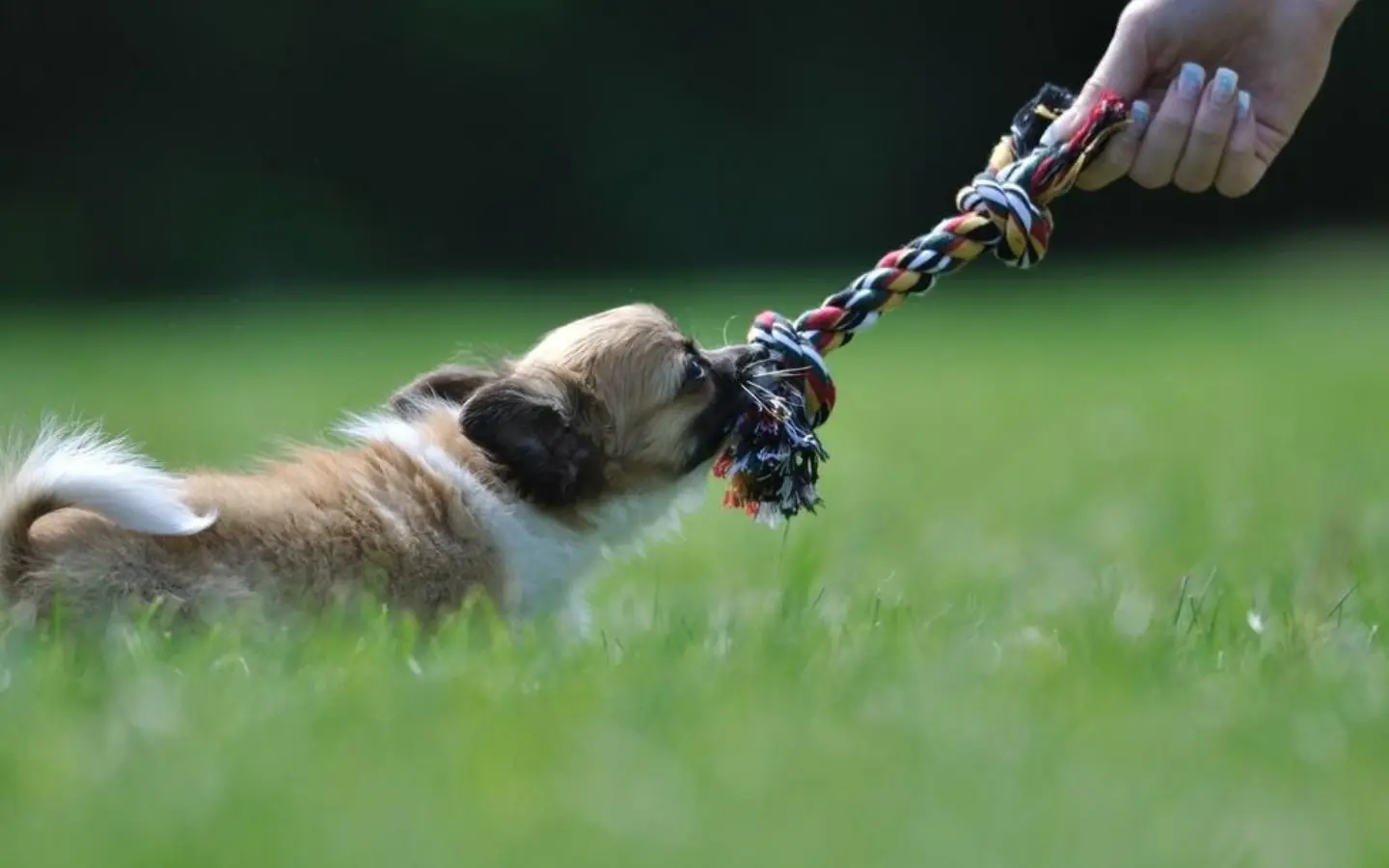
Introducing your new puppy to the world of leash training marks an important step in their development, and using a hands-free approach can make it both fun and effective. This article explores the optimal time to start hands-free leash training, the method’s benefits, and step-by-step guidance to ensure success. Core keywords such as “Hands-Free Dog Leash for Puppies: When to Start and How to Train” will be your guide.
When to Start Hands-Free Leash Training
Starting early is key. Puppies as young as 8-10 weeks can begin leash training in controlled, low-distraction environments, such as indoors or in a fenced backyard, ensuring their vaccinations are up-to-date. This early start allows the puppy to gradually acclimate to the leash, making the transition to outdoor settings smoother as they grow. According to the American Kennel Club and Purina, a puppy needs basic leash experiences and should be comfortable with wearing a collar or harness before moving to hands-free options.
How to Train Your Puppy With a Hands-Free Leash
-
Gradual Introduction
Start with letting your puppy leisurely examine the new hands-free leash in your living room. Encourage interest using treats and verbal praise. Recommended by experts from Buddy Systems, this favorable link is vital for a successful training program.
-
Basic Leash Training Foundational Steps
First, establish fundamental leash manners with a standard leash by practicing indoors. Use positive reinforcement — treats and praise should be abundant when your puppy correctly follows commands like “walk,” “stop,” and “heel.” This foundation, as suggested by the AKC, ensures your puppy is ready for the hands-free stage.
-
Hands-Free Leash Indoors
With the foundation set, transition to a hands-free dog leash inside. Keep the leash short initially for better control, guiding your pup to walk by your side, typically on the left. Reward calm behavior and stop if they pull or stray, coaxing them back gently with treats instead of corrections. Videos from dog training resources like Spirit Dog Training emphasize patience and repetition at this stage.
-
Progress Outdoors Gradually
Once your dog consistently reacts inside, spread the training to calm outside areas. Gradually introduce them to more demanding surroundings as they develop ability and confidence, keeping constant commands and rewarding good conduct. This slow rise promotes impulse control and strengthens good leash behavior.
-
Key Training Techniques
Positive reinforcement is your greatest tool throughout this process. Encourage your puppy with treats, verbal praise, and play. Consistency is critical; frequent short training sessions work best, and it’s important to ignore negative behaviors like pulling, as per trainer guidelines on Much Ado About Doodles. As your puppy’s confidence grows, gradually introduce distractions and lengthen the leash.
Conclusion
Embarking on hands-free puppy leash training from an early age sets the stage for a lifetime of enjoyable walks and strengthened bonds. By starting in low-distraction environments and progressing thoughtfully, using positive reinforcement and consistency, you make a mark on your puppy’s lifelong behavior. Engage with this method from the age of 8-10 weeks, and celebrate each small success on the path to confident, hassle-free walking.
Call to Action
For more insights on dog training, visit Spirit Dog Training and Buddy Systems’ Blog. Share your experiences or ask questions in the comments below—we’re here to support your journey with tailored advice and community support.
If you are looking for the ideal tool for your beloved dog, remember that the hands-free dog leash from PetsFlow is an excellent choice to enhance your walking experience with your puppy and you!