

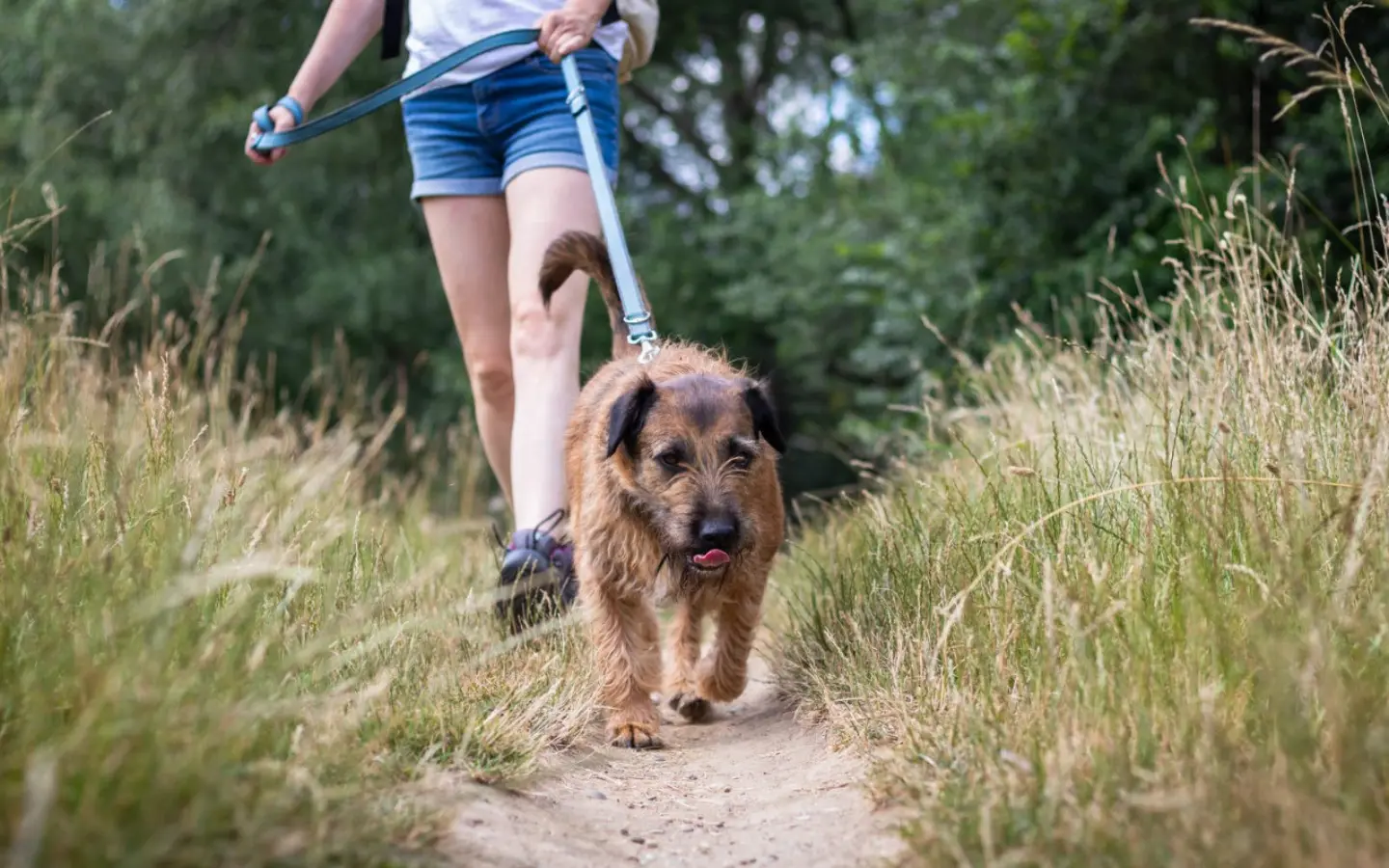
In recent years, hands-free dog leashes have become a popular choice among dog owners who enjoy outdoor activities like hiking and trail running. But can a hands-free dog leash actually reduce pulling on trails? This question forms the basis of our exploration into the effectiveness of these innovative leashes. By examining their design, benefits, and ideal scenarios for use, we aim to provide a comprehensive understanding of their impact on trail adventures.
How Hands-Free Leashes Help Reduce Pulling
Extended Length Advantages
One of the primary features of hands-free leashes is their extended length options. Leashes like the Ruffwear Hitch Hiker can stretch up to 12 feet, granting dogs more freedom to explore. This extra room can alleviate pulling by allowing dogs to naturally satisfy their curiosity while still under control.
Natural Running Position
Interestingly, many dogs exhibit less pulling behavior when running as opposed to walking. This is because running aligns more closely with their natural pace. Thus, allowing your dog to run beside you can reduce the propensity for tension and pulling, making a hands-free leash an excellent choice for trail running.
Even Weight Distribution
Traditional handheld leashes concentrate the force of pulling onto your arm and hand, whereas hands-free leashes distribute this force across your torso. This even distribution not only alleviates strain but also enhances control, facilitating a more manageable trail experience. source
Ideal Scenarios for Hands-Free Leashes
For Well-Behaved Dogs
Hands-free leashes work best with dogs that have already been trained for polite leash walking. These dogs are less prone to aggressive pulling, ensuring a smoother experience on trails.
Running Instead of Walking
If your dog tends to pull during walks, transitioning to a running pace might curtail this behavior since it aligns better with their natural movement speed. source
Navigating Technical Trails
On challenging hiking terrains, hands-free leashes provide the flexibility for maintaining balance and navigation without sacrificing control, making them particularly effective for technical trails. source
Intentional Pulling Use Cases
Canicross and Trail Running
In activities such as canicross, where the dog pulls the owner in a harness, hands-free leashes facilitate this type of movement, allowing for an invigorating workout while keeping pace on trails.
Uphill Assistance
For uphill hiking or mountain climbing, some owners appreciate the pulling assistance their dogs provide, further highlighting the utility of hands-free leashes in these scenarios.
Conclusion
Finally, by providing more freedom of movement and dispersing weight more evenly throughout the body, a handsfree dog leash can certainly help cut pulling on trails. Their efficacy is enhanced with dogs with some degree of leash training, nevertheless. Combining appropriate behavioral training with the use of a handsfree leash will provide the most pleasurable and regulated trail experiences for dogs that pull aggressively. Handsfree leashes provide an adaptable answer for active dog owners looking to minimize pulling and improve outdoor excursions whether you are canicrossing or hiking through technical pathways.