

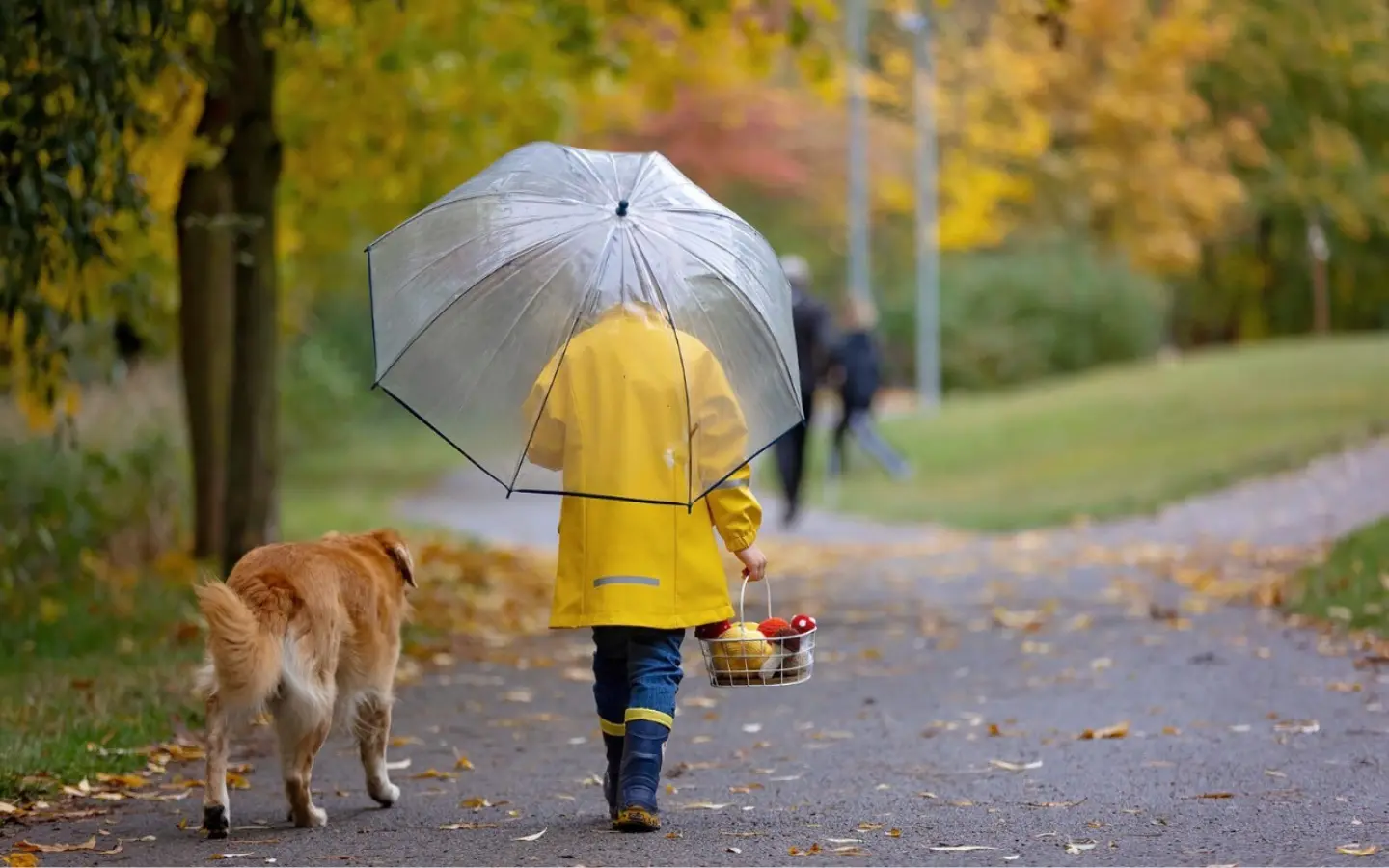
Guiding Your Dog’s Pace and Movement in Rainy Weather While Wearing a Raincoat
Walking in the rain can be challenging for dogs, especially if they’re unfamiliar with wearing a raincoat or navigating slippery surfaces. A dog’s gait may change due to discomfort from the coat, reduced traction, or distraction from raindrops. Ensuring they maintain a steady, confident pace requires patience, positive reinforcement, and adjustments to their environment and gear. Here’s how to guide your dog’s steps effectively during rainy walks.
Starting Slow: Building Confidence with the Raincoat
Many dogs resist or feel restricted by raincoats initially, which can lead to hesitant walking, freezing, or attempts to remove the garment. If the coat is new or ill-fitting, the dog may associate it with discomfort, making them reluctant to move.
To ease the transition, introduce the raincoat gradually. Begin by letting your dog sniff and explore it indoors, offering treats or praise to create positive associations. Then, put the coat on for short sessions while playing or offering high-value rewards. Once they’re comfortable wearing it at home, practice walking indoors or in a sheltered area to mimic the sensation of movement. Gradually increase the duration and environment (e.g., a covered porch, then light rain) to build their confidence. If the dog seems stiff or anxious, check the coat’s fit—ensure straps aren’t too tight, and the fabric isn’t rubbing their skin.
Navigating Slippery Surfaces: Encouraging Secure Footing
Rain often makes sidewalks, trails, or grassy areas slippery, increasing the risk of slips or falls. Dogs may hesitate, walk cautiously, or lift their paws awkwardly to avoid sliding, which can disrupt their natural gait.
To improve traction, choose walking routes with non-slip surfaces when possible (e.g., gravel paths, textured concrete, or mats near doorways). If the ground is uniformly slippery, encourage shorter, more deliberate steps by using verbal cues like “slow” or “easy.” Avoid pulling the leash sharply, as this can destabilize the dog. For dogs with long nails or thin paw pads, consider trimming their nails regularly and applying a paw wax to protect against moisture and enhance grip. If the dog refuses to walk due to fear of slipping, carry them briefly to a drier area or use a towel to dry the ground slightly before continuing.
Using Positive Reinforcement to Maintain Motivation
Rainy weather can dampen a dog’s enthusiasm for walks, especially if they’re distracted by raindrops, puddles, or the feel of the coat. Without encouragement, they may slow down, stop, or pull toward shelter.
To keep them engaged, use high-value treats, toys, or enthusiastic praise to reward forward movement. Break the walk into short, achievable segments (e.g., “walk to the tree, then get a treat”) to maintain focus. If the dog hesitates, gently coax them forward with a treat held at nose level or a favorite toy. Avoid scolding or yanking the leash, as this can increase anxiety. Instead, redirect their attention to the task at hand. For dogs who love puddles, allow brief, supervised play sessions to burn off energy, then resume walking with renewed motivation.
Adjusting Leash Handling for Stability and Control
A raincoat may alter how the leash connects to the dog’s harness or collar, potentially affecting balance or control. If the coat has a hood or bulky fabric, it could shift during movement, causing the dog to zigzag or pull unexpectedly.
To maintain stability, hold the leash with a relaxed but firm grip, allowing enough slack for natural movement without excess slack that could tangle. If the dog tends to pull, use a front-clip harness to redirect their momentum gently. Avoid wrapping the leash around your hand, as this can lead to injury if the dog lunges. Instead, keep it loose and adjust your grip as needed. If the coat slips or bunches during the walk, pause to readjust it without interrupting the flow of the walk.
Encouraging Exploration Without Overstimulation
Rain can create new scents and sights (e.g., puddles, reflections, or moving foliage) that distract or excite dogs. While curiosity is natural, overstimulation may cause the dog to dart, stop abruptly, or ignore cues.
To balance exploration and control, use a “let’s go” or “heel” cue to signal when it’s time to move forward. Allow brief sniffs or puddle inspections, then redirect their attention with a treat or toy. If the dog becomes fixated on a stimulus (e.g., a loud rain gutter), move to a quieter area or use a distraction (e.g., a squeaky toy) to refocus them. For dogs prone to anxiety in rain, pair walks with calming activities (e.g., gentle massage before heading out or a soothing voice during the walk) to reduce stress.
Modifying Walk Duration and Intensity
Rainy weather may require shorter, more frequent walks to prevent discomfort or overexposure to cold or wet conditions. Dogs with thick fur, short legs, or health issues (e.g., arthritis) may tire more quickly or struggle to stay warm.
To adapt, plan walks based on your dog’s tolerance. For puppies, seniors, or breeds sensitive to cold, limit walks to 10–15 minutes and focus on quick bathroom breaks rather than exercise. If the dog shivers, lifts paws, or shows signs of fatigue (e.g., lagging, heavy panting), end the walk early and dry them thoroughly indoors. Consider indoor play (e.g., fetch, tug-of-war, or puzzle toys) to supplement physical activity on rainy days.
Addressing Reluctance to Walk Due to Rain or Coat Discomfort
Some dogs may refuse to walk altogether if they dislike the raincoat, the sensation of rain, or the sound of droplets hitting the ground. This behavior can stem from fear, discomfort, or lack of exposure to wet weather.
To overcome reluctance, identify the root cause. If the dog dislikes the coat, reintroduce it gradually (as described earlier) and ensure it fits properly. If they’re afraid of rain, use a calm, upbeat tone and offer treats to create positive associations. For dogs who hate puddles, avoid them initially and gradually desensitize them by walking near small, shallow ones. If the dog still refuses, carry them to a drier area or use an umbrella to shield them briefly, then resume walking. Never force or drag the dog, as this can escalate fear or aggression.
Conclusion: Nurturing Confidence and Comfort in Rainy Conditions
Guiding your dog’s steps during rainy walks requires patience, adaptability, and a focus on their physical and emotional needs. By adjusting gear, reinforcing positive behavior, and choosing safe routes, owners can help their pets navigate wet weather with ease. With consistent practice and encouragement, rainy walks can become a routine part of your dog’s life—no hesitation required.