

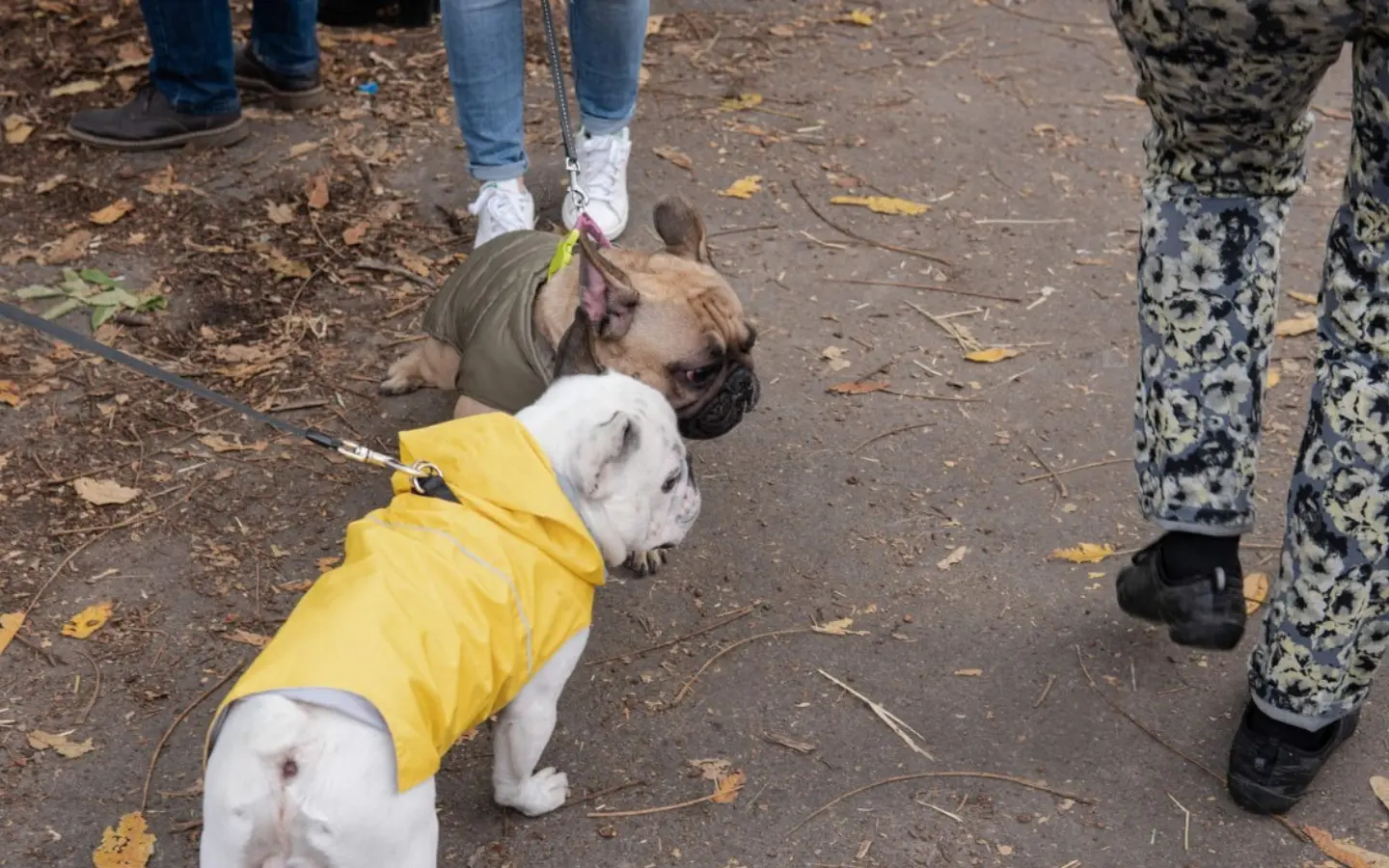
Guiding Your Dog to Exhibit Confidence in Social Settings While Wearing a Raincoat
Many dogs feel self-conscious or anxious in social situations when wearing a raincoat due to unfamiliar sensations, restricted movement, or fear of judgment from other dogs or humans. This anxiety can lead to hesitant behavior, avoidance, or even reactivity. By focusing on gradual exposure, positive reinforcement, and building the dog’s comfort with the coat, owners can help their pets feel at ease and confident during social outings. Here’s how to foster self-assurance in rainy social settings.
Preparing Your Dog for Social Interactions at Home
Before venturing into public spaces, it’s essential to ensure the dog feels comfortable and confident in the raincoat at home. Social confidence starts with feeling secure in familiar environments.
Begin by having the dog wear the raincoat during calm, everyday activities like mealtime, play, or cuddle sessions. Pair the coat’s presence with treats, praise, or their favorite toys to create positive associations. Practice basic commands (e.g., “sit,” “stay,” or “watch me”) while the dog wears the coat to reinforce focus and obedience. Gradually introduce distractions, such as knocking on a door or having a family member walk by, and reward the dog for staying calm. If the dog shows signs of stress (e.g., pacing, trembling, or refusing treats), remove the coat and try again later. Once the dog is relaxed at home, simulate social scenarios by inviting a trusted friend or neighbor over for a brief, low-key visit. Encourage gentle interactions while the dog wears the coat, rewarding them for staying calm and engaged.
Choosing Low-Stress Social Environments for Practice
Not all social settings are equal—some are overwhelming for fearful dogs. Starting with quiet, controlled environments helps the dog build confidence without being overstimulated.
Opt for quiet parks, residential streets, or pet-friendly cafes during off-peak hours. Avoid busy dog parks or crowded events where the dog may feel pressured. Begin with short outings (5–10 minutes) where the dog can observe other dogs or humans from a distance. Use a long leash to give them space while maintaining control. If the dog freezes or hides behind you, remain calm and use treats or toys to encourage them to explore. Gradually decrease the distance between your dog and others, always rewarding calm behavior. For dogs that fixate on other animals, practice “look at me” exercises to redirect their focus. If the dog becomes reactive, calmly move away and end the session on a positive note (e.g., a treat or a game).
Using Positive Reinforcement to Reward Confident Behavior
Rewarding the dog for staying calm and engaged in social settings reinforces their confidence and encourages them to repeat the behavior. Timing and consistency are key to effective reinforcement.
Carry high-value treats (e.g., small pieces of chicken or cheese) during outings. Whenever the dog remains relaxed or makes eye contact with you, offer a treat and praise them with phrases like “good job!” or “you’re so brave!” If the dog approaches another dog or human politely, reward them immediately to reinforce the interaction. For dogs that hesitate, use treats to lure them closer to others, rewarding each small step. Avoid punishing fearful behavior (e.g., yanking the leash or scolding), as this can increase anxiety. Instead, focus on rewarding the moments when the dog shows courage. Over time, the dog will associate social settings with positive outcomes.
Encouraging Natural Movement and Exploration
A dog that feels restricted by their raincoat may appear stiff or withdrawn in social settings. Ensuring the coat allows freedom of movement helps the dog act more naturally and confidently.
Check that the raincoat fits properly—it should not constrict the dog’s legs, shoulders, or tail. The fabric should lie flat without bunching or pulling. If the coat has a hood, consider removing it or folding it back to avoid blocking the dog’s vision. Let the dog run, sniff, and play freely while wearing the coat to get used to its feel. If they stumble or seem unbalanced, adjust the coat or practice short sprints in a safe area. During social outings, allow the dog to approach others at their own pace. Avoid forcing interactions or rushing them, as this can cause stress. Encourage exploration by scattering treats along the path or hiding them in grass for the dog to find.
Practicing “Focus on Owner” Exercises in Public
Dogs that can maintain eye contact with their owners in distracting environments are less likely to become overwhelmed. Teaching the dog to “check in” with you builds confidence and reduces anxiety.
Start by practicing “watch me” at home. Hold a treat near your eye and say “watch me.” When the dog makes eye contact, reward them. Gradually increase distractions (e.g., turning on the TV or having someone walk by) while practicing the command. In public, use the command frequently to redirect the dog’s attention if they become fixated on others. Reward them generously for looking at you instead of reacting. If the dog struggles, use a higher-value treat or a squeaky toy to capture their focus. Over time, the dog will learn to rely on you for guidance in social settings.
Gradually Increasing Exposure to New Dogs and People
Controlled, positive interactions with other animals and humans help the dog build social confidence. Rushing into crowded or unpredictable environments can backfire and reinforce fear.
Arrange playdates with one or two calm, friendly dogs in a neutral space (e.g., a fenced yard or quiet park). Let the dogs sniff and interact at their own pace, rewarding your dog for staying relaxed. If the dog shows fear or aggression, calmly separate them and try again later. For interactions with humans, ask strangers to offer treats from a flat palm (avoid direct hand-to-mouth contact initially). Let the dog approach at their own speed, rewarding them for accepting treats politely. If the dog hides or growls, do not force interaction—instead, move away and try again another day. Gradually increase the number of dogs or humans the dog meets, always prioritizing calm, positive experiences.
Building Confidence Through Familiar Routines and Rituals
Dogs feel more secure when they know what to expect. Establishing a pre-outing routine helps the dog mentally prepare for social settings and reduces anxiety.
Create a consistent pre-socialization ritual (e.g., a short walk, a favorite toy, or a verbal cue like “let’s go!”). This signals to the dog that an outing is about to happen. Put on the raincoat calmly and positively, offering a treat or praise. During the outing, stick to a familiar route or activity (e.g., walking the same path or visiting the same café). Predictability helps the dog stay relaxed. If the dog becomes stressed, pause and engage in a calming activity (e.g., sitting quietly or practicing a command). Over time, the dog will associate the routine with positive, confidence-building experiences.
Addressing Setbacks with Patience and Understanding
Even well-trained dogs may have setbacks in social settings, especially when wearing new gear like a raincoat. Responding with empathy and flexibility helps the dog recover and regain confidence.
If the dog freezes, growls, or tries to escape during an outing, calmly remove them from the situation. Do not scold or punish them—instead, offer comfort (e.g., a gentle pat or a soothing voice). Analyze what triggered the setback (e.g., a loud noise, an overexcited dog, or a crowded area) and adjust future outings accordingly. For example, avoid busy parks during peak hours or carry earplugs for the dog if noise is an issue. Return to lower-stress environments and rebuild the dog’s confidence gradually. Celebrate small improvements, such as the dog willingly wearing the coat for longer periods or approaching others more calmly.
Conclusion: Confidence Grows with Practice and Positivity
Helping a dog feel confident in social settings while wearing a raincoat takes time, patience, and creative training. By focusing on gradual exposure, positive reinforcement, and addressing their individual needs, owners can transform anxiety into calm self-assurance. Remember, every dog progresses at their own pace—celebrate each step forward and avoid pushing too hard. With consistency and kindness, your dog will learn to navigate social outings with ease, rain or shine.