

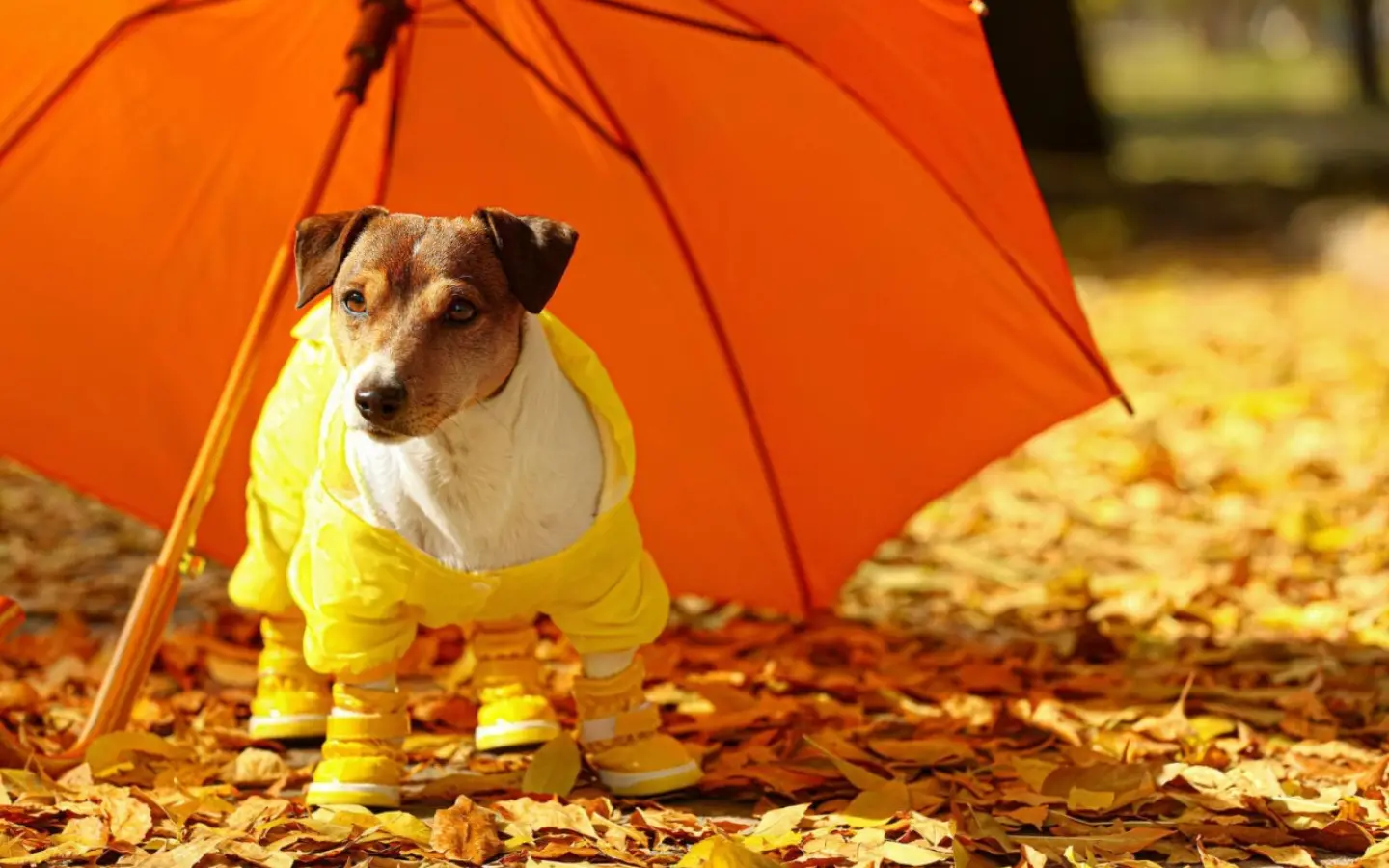
Teaching Dogs to Use Their Legs Properly While Wearing a Raincoat: Step-by-Step Movement Training
Many dogs struggle to move naturally in raincoats due to restricted shoulder rotation, unfamiliar fabric sensations, or awkward weight distribution. This can lead to stilted gaits, tripping, or refusal to walk. By breaking down movement into manageable steps and using positive reinforcement, you can help your dog adapt to wearing a raincoat while maintaining proper limb coordination. Here’s how to train effectively.
Start With Short Indoor Sessions to Build Familiarity
Begin in a quiet, distraction-free space where your dog feels comfortable. Let them wear the raincoat for 2–3 minutes at a time, gradually increasing duration as they relax. Use treats or toys to encourage gentle movement, like stepping forward or turning in a circle. Reward even small efforts, such as lifting one paw or shifting their weight, to create positive associations.
If your dog freezes or sits down, avoid pulling the leash or forcing movement. Instead, kneel beside them and offer a treat near their nose, guiding them to take a step forward. Pair this action with a verbal cue like “walk” or “step” to build a connection between the command and the movement.
Focus on Individual Leg Awareness Through Targeted Exercises
Dogs may not realize how to adjust their stride when fabric restricts their legs. Teach them to isolate limb movements by training each leg separately. For example, hold a treat near their front left paw and say “lift.” When they raise their paw slightly, reward them immediately. Repeat with all four legs, using consistent cues for each one.
Once they master lifting individual paws, progress to stepping over low obstacles like a rolled-up towel. Place the obstacle in their path and encourage them to step over it with a specific leg (e.g., “left front”). This improves spatial awareness and helps them navigate the raincoat’s bulk during real-world movement.
Use Luring Techniques to Guide Full-Body Coordination
After isolating limb movements, combine them into fluid strides. Hold a treat in your closed hand and let your dog sniff it, then slowly move your hand forward at ground level. As they follow, their body will naturally step forward. Reward them for taking 3–4 consecutive steps without stopping or stumbling.
If the raincoat’s fabric bunches under their legs, gently smooth it out during pauses to prevent tripping. Over time, your dog will learn to anticipate the fabric’s position and adjust their stride accordingly. Practice this luring technique in different directions (forward, backward, sideways) to build versatility.
Incorporate Uneven Surfaces to Improve Balance
Raincoats can alter a dog’s center of gravity, making balance tricky on slippery or uneven ground. Train on surfaces like grass, sand, or textured mats to mimic outdoor conditions. Start with flat terrain, then introduce gentle slopes or small ramps. Use treats to encourage your dog to climb or descend while maintaining an even gait.
If they wobble, support them with a leash or your hands near their torso (not their legs, which could restrict movement further). Praise them for recovering their balance instead of freezing. This builds confidence in their ability to stabilize themselves despite the raincoat’s added challenges.
Pair Raincoat Wearing With Play to Distract From Discomfort
Dogs are more likely to move naturally if they’re focused on fun activities. Play a game of tug-of-war or fetch while they wear the raincoat indoors. The excitement of the game will encourage them to run, jump, and pivot, helping them “forget” the fabric’s presence. Reward bursts of energetic movement with extra treats or praise.
For shy dogs, use a flirt pole (a toy attached to a string) to entice them into chasing motions. The back-and-forth action promotes full-body engagement, including leg extension and weight shifting. Keep sessions short (5–10 minutes) to prevent fatigue or frustration.
Monitor for Signs of Frustration or Physical Strain
Watch for clues that your dog is struggling, such as whining, panting excessively, or refusing to move. If they repeatedly shake their body or try to remove the raincoat with their teeth, they may associate it with discomfort. Check the fit—ensure it’s not too tight around the shoulders, armpits, or groin, as these areas restrict movement most.
Adjust the raincoat by loosening straps or trimming excess fabric (if safe). If the issue persists, take a break and revisit training later. Forcing progress will only deepen their aversion to the garment.
Gradually Transition to Outdoor Environments
Once your dog moves confidently indoors, practice in a sheltered outdoor area like a covered patio or quiet sidewalk. The new sights, sounds, and textures will test their ability to adapt. Use the same luring and reward techniques, but be prepared for slower progress. Distractions like other dogs or loud noises may require you to refocus their attention with treats or toys.
Start with short walks (5–10 minutes) and increase duration as they adjust. If they trip or stumble, pause and offer reassurance without removing the raincoat. Consistency is key—regular exposure will help them view the raincoat as a normal part of their routine.
Use Verbal Cues to Reinforce Proper Movement Patterns
Assign specific commands to different gaits or directions. For example, say “trot” when encouraging a faster pace or “slow” when descending stairs. Pair these cues with hand signals (like a downward palm for “slow”) to provide visual guidance.
During training, use cues intermittently to test their understanding. If they respond correctly, reward them generously. Over time, they’ll learn to associate these commands with the physical sensations of moving in a raincoat, making outdoor navigation easier.
Leverage Social Interactions to Motivate Movement
Dogs often move more naturally when playing with others. Arrange a playdate with a calm, well-socialized dog in a fenced area. Let your dog wear the raincoat while they chase, wrestle, or explore together. The presence of a peer can distract them from the fabric and encourage energetic movement.
Supervise closely to ensure the raincoat doesn’t get caught on the other dog’s collar or teeth. If needed, pause play to adjust the fit or smooth out wrinkles in the fabric. Positive interactions with other dogs will strengthen their association between the raincoat and enjoyable experiences.
Practice Patience and Celebrate Small Wins
Every dog learns at their own pace. Some may adapt to raincoat movement in days, while others need weeks of consistent training. Focus on rewarding progress, not perfection. For example, praise your dog for taking two steady steps instead of freezing, or for climbing one stair without hesitation.
Avoid comparing their progress to other dogs or rushing through stages. The goal is to build confidence and coordination gradually, ensuring they feel safe and in control at every step. With time and positive reinforcement, your dog will learn to use their legs properly, even in a raincoat.