

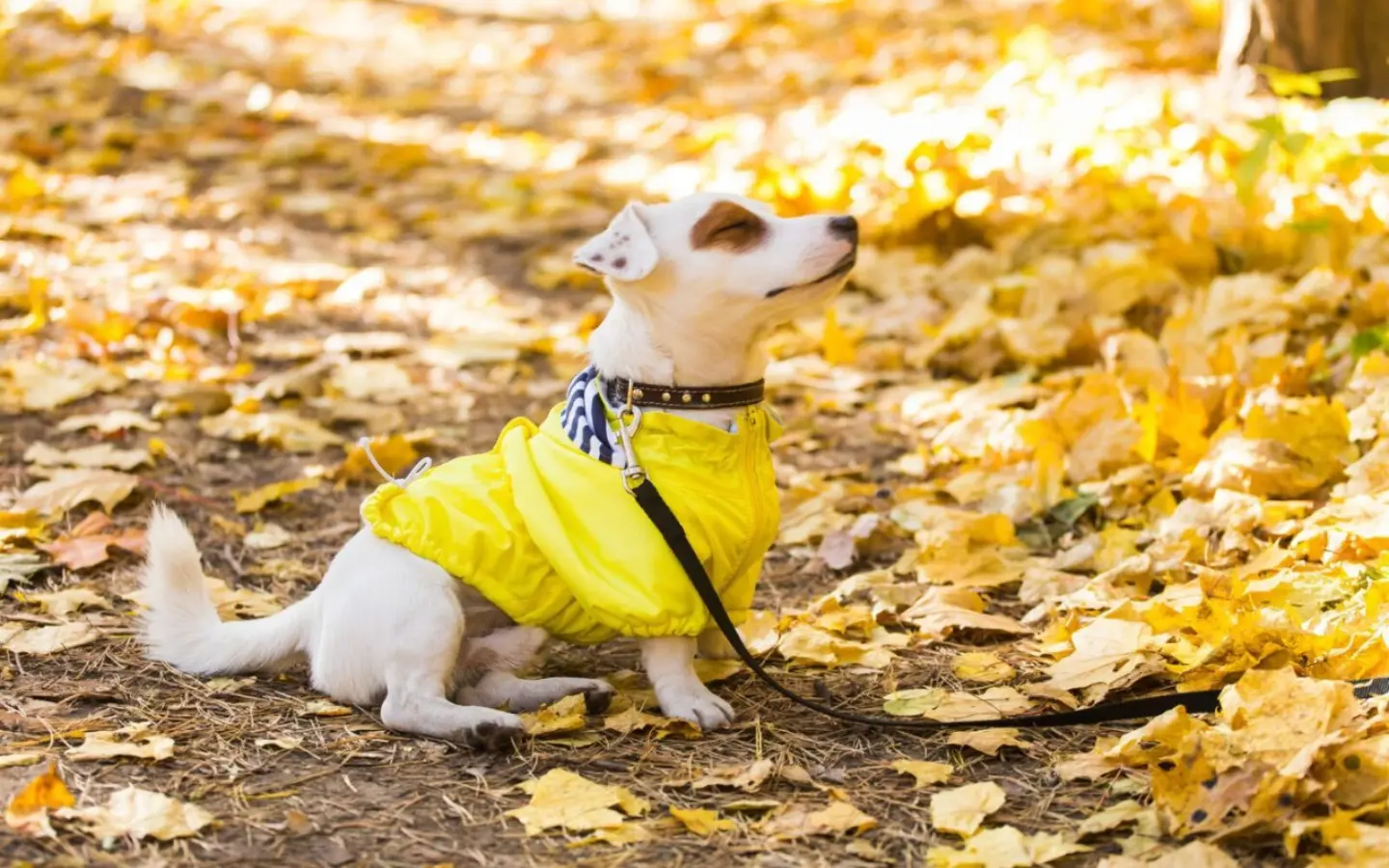
Helping Your Dog Adjust to Temperature Changes While Wearing a Raincoat: Practical Strategies
Dogs rely on their coat and environment to regulate body temperature, but raincoats can disrupt this natural process by trapping heat or limiting airflow. Teaching your dog to adapt to temperature shifts while wearing one requires gradual exposure, environmental adjustments, and awareness of their comfort cues. Here’s how to ensure your dog stays safe and comfortable in varying conditions.
Start with Short Sessions in Mild Weather
Introduce the raincoat during calm, moderate temperatures to help your dog associate it with neutral or positive experiences. Avoid extreme cold or heat initially, as sudden changes can cause stress or overheating.
- Choose Overcast or Cool Days: Begin training when the weather is mild, such as a cloudy afternoon or early evening. This prevents the raincoat from feeling stifling in direct sunlight or too restrictive in freezing temperatures.
- Limit Initial Wear Time: Let your dog wear the raincoat for 5–10 minutes during a walk or play session. Gradually extend the duration as they show no signs of discomfort, such as panting or shivering.
- Pair with Familiar Activities: Combine raincoat time with routine outings like potty breaks or short strolls. This normalizes the garment and reduces anxiety about temperature changes.
Monitor Your Dog’s Body Language for Comfort Cues
Dogs communicate discomfort through subtle behaviors. Learn to recognize signs of overheating or chilling to adjust their environment or remove the raincoat promptly.
- Signs of Overheating: Watch for excessive panting, drooling, or lethargy. If your dog’s tongue turns bright red or they seek shade aggressively, end the session and cool them down with water or a fan.
- Signs of Cold Stress: Shivering, tucked tail, or reluctance to move may indicate the raincoat isn’t providing enough warmth. In chilly weather, layer a lightweight sweater underneath (if the raincoat allows) or shorten outdoor time.
- Check Skin and Fur: After removing the raincoat, feel their skin through the fur. Dampness or clamminess suggests poor ventilation, while dry, cool skin indicates they’re managing temperature well.
Adjust the Environment to Support Temperature Regulation
Create conditions that help your dog adapt naturally to temperature shifts. Use fans, shade, or shelter to balance heat, and provide warm resting spots in cold weather.
- In Hot Weather: Choose walks during cooler parts of the day (early morning or late evening). Use a raincoat made of breathable fabric and avoid covering areas like the belly or groin, where heat escapes most efficiently.
- In Cold Weather: Layer a dry, lightweight base garment under the raincoat to retain warmth without adding bulk. After walks, dry your dog thoroughly with a towel to prevent chills from damp fur.
- Use Ventilation Strategies: If the raincoat has adjustable straps or openings, loosen them slightly to allow airflow. Avoid designs that seal tightly around the neck or legs, as these can trap heat.
Train Your Dog to Tolerate Layered Clothing
Some dogs resist wearing multiple layers, which can complicate temperature management. Use positive reinforcement to build tolerance gradually.
- Desensitize to Touch: Practice gently handling your dog’s paws, ears, and tail while they wear the raincoat. This reduces sensitivity when adjusting layers for temperature control.
- Introduce “On” and “off” Routines: Teach your dog to associate putting on the raincoat with a specific cue (e.g., “coat time”) and removing it with another (e.g., “all done”). Reward calm behavior during dressing and undressing.
- Practice Indoors First: Before heading outside, let your dog wear the raincoat while lounging at home. This helps them adjust to the sensation without the added stress of temperature changes.
Gradually Expose Your Dog to Extreme Temperatures
Once your dog is comfortable in mild weather, slowly introduce them to hotter or colder conditions, always prioritizing their safety.
- Hot Weather Progression: Start with 1-minute walks in warm weather, gradually increasing to 5–10 minutes. Always carry water and a collapsible bowl, and end sessions if your dog shows signs of distress.
- Cold Weather Progression: Begin with short potty breaks in chilly conditions, then progress to longer walks in sheltered areas (e.g., wooded trails). Offer warm treats like cooked chicken or sweet potato after returning indoors.
- Use Weather-Appropriate Accessories: In snowy conditions, pair the raincoat with booties to protect paws from ice. In rain, ensure the coat’s hood doesn’t obstruct vision or hearing.
By observing your dog’s behavior, adjusting their environment, and building tolerance through gradual exposure, you can help them adapt to temperature changes while wearing a raincoat. Always prioritize their comfort over rigid training schedules, and consult a veterinarian if you notice persistent signs of stress or health issues related to temperature regulation.