

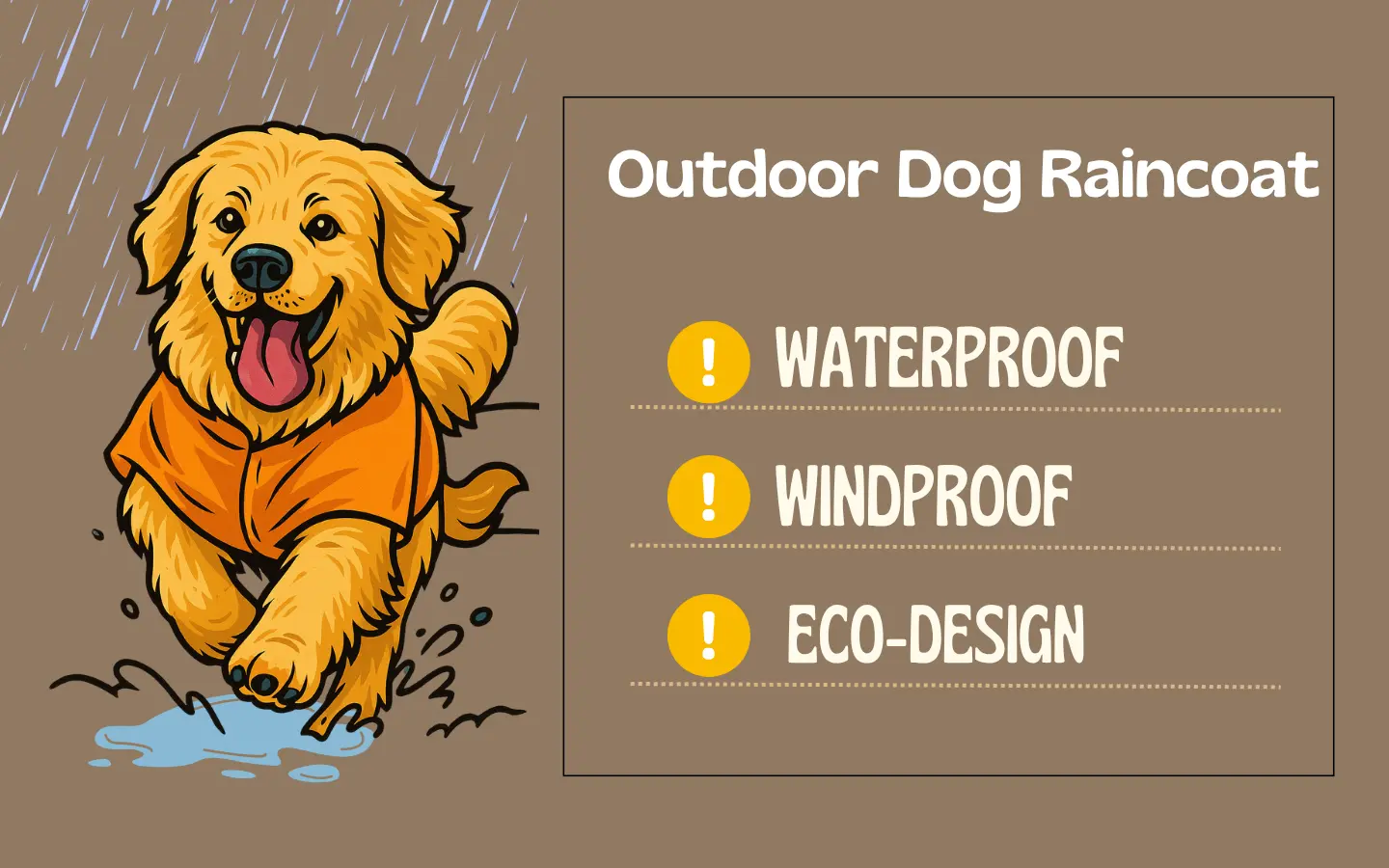
Guiding Your Dog to Maintain Balance While Running in a Raincoat
Running in a raincoat can be challenging for dogs, as the added fabric, straps, or hood may alter their natural movement. Poor balance can lead to stumbling, reduced speed, or even reluctance to run. By focusing on proper fit, gradual adaptation, and confidence-building exercises, owners can help their dogs stay steady and comfortable during rainy runs. Here’s how to ensure your dog runs safely and confidently in their rain gear.
Ensuring the Raincoat Fits Properly for Unrestricted Movement
A poorly fitting raincoat can restrict a dog’s legs, shoulders, or tail, making it difficult to run smoothly. Dogs need freedom to stride, pivot, and adjust their gait without fabric bunching or pulling.
Check that the coat allows full range of motion in the legs and shoulders. The sleeves (if present) should not constrict the dog’s elbows or wrists, and the fabric should lie flat against the body without twisting. Verify that the coat’s length doesn’t drag on the ground or interfere with the tail’s movement. For dogs with long fur, trim excess hair around the legs and belly to prevent matting under the coat. If the coat has a hood, ensure it doesn’t flop into the dog’s eyes or block their peripheral vision. Adjust straps or buckles so they sit snugly but not tightly—you should be able to slip a finger between the strap and the dog’s skin. If the dog shows signs of discomfort (e.g., lifting paws, shaking, or slowing down), reevaluate the fit or consider a lighter, more flexible coat.
Gradually Introducing the Raincoat During Short Walks and Play
Dogs need time to adjust to the sensation of running in a raincoat. Suddenly wearing one during a high-energy activity like running can cause stress or clumsiness. Start with low-impact exercises to build familiarity and confidence.
Begin by having the dog wear the coat indoors for short periods while they walk, play, or nap. Reward them with treats or praise to create positive associations. Next, take them for a slow 5–10 minute walk in the coat, observing how they move. If they seem hesitant or unbalanced, pause and let them adjust. Gradually increase the walk’s duration and pace over several days. Once the dog is comfortable walking, introduce short bursts of running in a safe, enclosed area (e.g., a fenced yard or quiet park). Start with 10–15 seconds of running, then rest and reward. If they stumble or trip, slow down and return to walking until they regain confidence. Over time, the dog will learn to move naturally in the coat.
Strengthening Core Muscles for Improved Stability
A strong core helps dogs maintain balance, especially when wearing gear that shifts slightly during movement. Core exercises can improve their posture, coordination, and ability to adapt to the raincoat’s weight.
Incorporate low-impact core workouts into your dog’s routine. Practice “sit-to-stand” exercises: ask your dog to sit, then gently guide them into a standing position using a treat. Repeat 5–10 times daily to build leg and abdominal strength. Encourage “cavalettis” (low hurdles) by placing broomsticks or pool noodles on the ground for the dog to step over. This improves paw placement and balance. For dogs that enjoy play, use a wobble board or balance disc to engage their core muscles. Start with short sessions (1–2 minutes) and gradually increase as their strength improves. Always supervise balance exercises to prevent injury.
Practicing Running on Different Terrains to Build Adaptability
Running on uneven or slippery surfaces (e.g., grass, mud, or wet pavement) can test a dog’s balance, especially while wearing a raincoat. Exposing them to varied terrains helps them adjust their gait and stay steady.
Begin by running on flat, dry ground to let the dog get used to the coat’s feel. Then, gradually introduce softer surfaces like grass or sand, which provide more traction. Next, try slightly uneven terrain (e.g., a gravel path or hilly trail), rewarding the dog for staying calm and balanced. If the ground is wet or slippery, shorten your stride and encourage the dog to do the same. Avoid icy or muddy paths that could cause slipping. For dogs that struggle with confidence, use a long leash to guide them gently and offer verbal encouragement. Over time, they’ll learn to adapt their movement to different conditions.
Using Verbal Cues and Positive Reinforcement During Runs
Clear communication and rewards help dogs stay focused and confident while running in a raincoat. Verbal cues and treats can redirect their attention if they become distracted or unbalanced.
Use consistent commands like “let’s go,” “slow,” or “steady” to guide the dog’s pace. Pair these cues with treats or praise to reinforce them. For example, say “steady” and offer a treat if the dog starts to rush or stumble. If they maintain balance during a challenging stretch (e.g., uphill or over roots), reward them immediately. Avoid pulling on the leash or yelling, as this can startle the dog and worsen their balance. Instead, use gentle pressure and verbal encouragement to guide them. For dogs that fixate on the coat’s movement, distract them with a toy or a quick game of “find it” (hiding treats along the path).
Monitoring for Signs of Overheating or Fatigue
Running in a raincoat can trap heat and moisture, especially in warm or humid weather. Overheating or exhaustion can impair a dog’s balance and coordination, making runs unsafe.
Check the dog’s body temperature regularly during runs. If their ears, paws, or belly feel excessively warm, stop and let them rest in a shaded area. Offer water to prevent dehydration. Watch for signs of fatigue, such as heavy panting, lagging behind, or stumbling. If the dog seems tired, shorten the run or switch to walking. For long-haired dogs, ensure the coat is breathable and doesn’t cause overheating. If the weather is too hot, postpone the run until it cools down or opt for a shorter, slower session. Always prioritize the dog’s comfort over completing a route.
Adjusting the Raincoat’s Fit Mid-Run if Needed
Even a well-fitted coat can shift during vigorous activity, causing discomfort or balance issues. Learning to make quick adjustments ensures the dog stays comfortable throughout the run.
Periodically check the coat during runs to ensure straps, zippers, or hoods haven’t loosened or twisted. If the coat rides up the dog’s back, gently pull it down and smooth the fabric. Tighten any loose straps, but avoid over-tightening. If the hood obstructs vision, tuck it under the collar or remove it temporarily. For dogs that dislike adjustments, distract them with a treat or a toy while you fix the coat. Practice making adjustments during short walks first, so the dog becomes used to the process. If the coat becomes too cumbersome, carry a lightweight backup (e.g., a waterproof vest) for longer runs.
Encouraging Confidence Through Familiar Routes and Rituals
Dogs feel more secure when they know what to expect. Running the same route or following a predictable routine can reduce anxiety and help them focus on balance.
Stick to familiar trails or neighborhoods where the dog feels comfortable. Avoid sudden turns or unfamiliar paths that could startle them. Establish a pre-run ritual (e.g., a quick sniff walk, a favorite toy, or a verbal cue like “ready?”) to signal that the run is about to start. This helps the dog mentally prepare. If the dog hesitates at the start of a run, wait patiently and offer encouragement until they’re ready. For dogs that struggle with new environments, gradually introduce them to varied routes over time, always rewarding calm behavior. Over time, the dog will associate running in the raincoat with positive experiences.
Conclusion: Balance Comes with Practice and Adaptability
Helping your dog maintain balance while running in a raincoat takes patience, proper fit, and gradual exposure. By focusing on their comfort, strength, and confidence, owners can ensure their dog stays steady and enjoys rainy adventures. Remember, every dog adapts at their own pace—celebrate small improvements and stay flexible. With time, your dog will learn to run smoothly, making rainy days no obstacle to fun and exercise.