

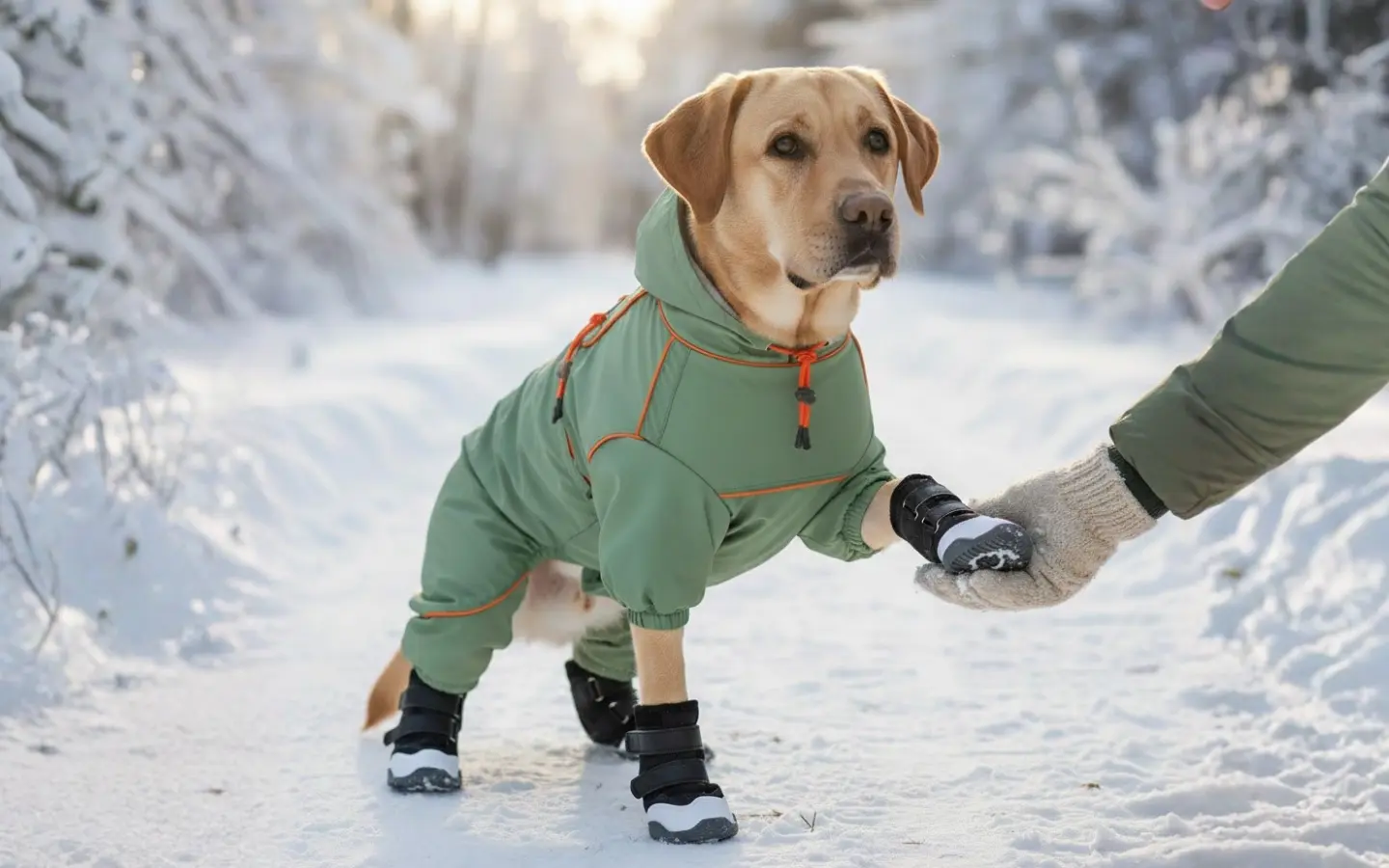
Helping Your Dog Adjust to Wearing an Outdoor Pet Backpack
Outdoor pet backpacks are a practical way to carry small dogs or puppies during hikes, city walks, or travel. However, getting your dog comfortable with being inside a backpack requires gradual training and positive reinforcement. Here’s how to make the process smooth and stress-free for both of you.
Introducing the Backpack in a Familiar, Calm Setting
Start by letting your dog explore the empty backpack in a quiet, relaxed environment like your living room or backyard. Leave the backpack open and place treats or their favorite blanket inside to encourage curiosity. Allow them to sniff, paw at, or even climb in voluntarily. Avoid forcing them inside—this can create fear or resistance.
Once they show interest, gently place them inside for a few seconds while offering praise or a treat. Keep your tone cheerful and use a command like “Up!” or “In the bag!” to associate the action with positive reinforcement. If they seem hesitant, try placing the backpack near their bed or feeding area to build familiarity over time.
Building Comfort with Short, Supervised Sessions
After your dog is okay with brief stays inside the backpack, practice wearing it for short periods while they’re stationary. Secure the straps loosely around their body and let them sit or lie down comfortably. Stay nearby and offer treats or toys to distract them from the new sensation. Gradually increase the duration from 1–2 minutes to 5–10 minutes as they relax.
If your dog tries to escape, avoid scolding them. Instead, gently guide them back inside and reward calm behavior. Check that the backpack fits properly—it should be snug but not restrictive, with enough room for them to move slightly. Adjust the straps if they slip or dig into their skin.
Incorporating Movement and Outdoor Exploration
Once your dog is comfortable staying inside the backpack indoors, it’s time to add movement. Start by lifting the backpack slightly off the ground while they’re inside, then lower it back down. Reward them for staying calm. Next, take short walks around your home or yard, keeping the pace slow and steady. Use a happy tone to encourage them and pause frequently to offer treats.
If your dog seems anxious during movement, try carrying them for just a few steps before setting them down. Gradually extend the distance as they grow more confident. Avoid busy or noisy areas initially—stick to quiet paths or parks where they feel safe. Over time, they’ll associate the backpack with enjoyable outdoor adventures.
Addressing Common Challenges Like Resistance or Whining
Some dogs may resist being placed in the backpack or whine when inside. This often stems from fear or discomfort. To ease their anxiety, place familiar items like a toy or piece of your clothing inside the backpack to create a cozy environment. You can also drape a lightweight blanket over the top to mimic a den-like space, which many dogs find reassuring.
If your dog continues to resist, revisit earlier steps. Practice letting them climb in and out freely without closing the straps. Use high-value treats or a favorite activity, like a game of fetch, as motivation. Never force them into the backpack or carry them against their will—this will only worsen their fear.
Ensuring Proper Fit and Ventilation for Safety
A poorly fitting backpack can cause discomfort or injury, so always check that your dog’s legs and tail have enough space. The backpack should distribute weight evenly across their back and hips, not rest solely on their shoulders. Adjust the chest and waist straps to prevent shifting during movement.
Ventilation is also crucial, especially in warm weather. Choose a backpack with mesh panels or breathable fabric to prevent overheating. Monitor your dog for signs of distress, such as panting excessively or trying to chew the material. If they seem too hot, take a break in the shade and offer water.
Reinforcing Positive Associations Over Time
Consistency is key to helping your dog accept the backpack as part of their routine. Use it regularly during outdoor activities, even for short trips to the corner store or a nearby park. Always pair wearing the backpack with something enjoyable, like a walk in a new area or a play session afterward.
Celebrate small victories, like your dog voluntarily jumping into the backpack or staying calm during a carry. Over weeks or months, they’ll learn to trust the process and even look forward to their next adventure.
By following these steps, you’ll help your dog view the outdoor pet backpack as a safe, comfortable way to explore the world with you. Remember to prioritize their comfort and safety at every stage, and adjust your approach based on their individual needs. With patience and positive reinforcement, your dog will soon be ready for any outdoor journey.