

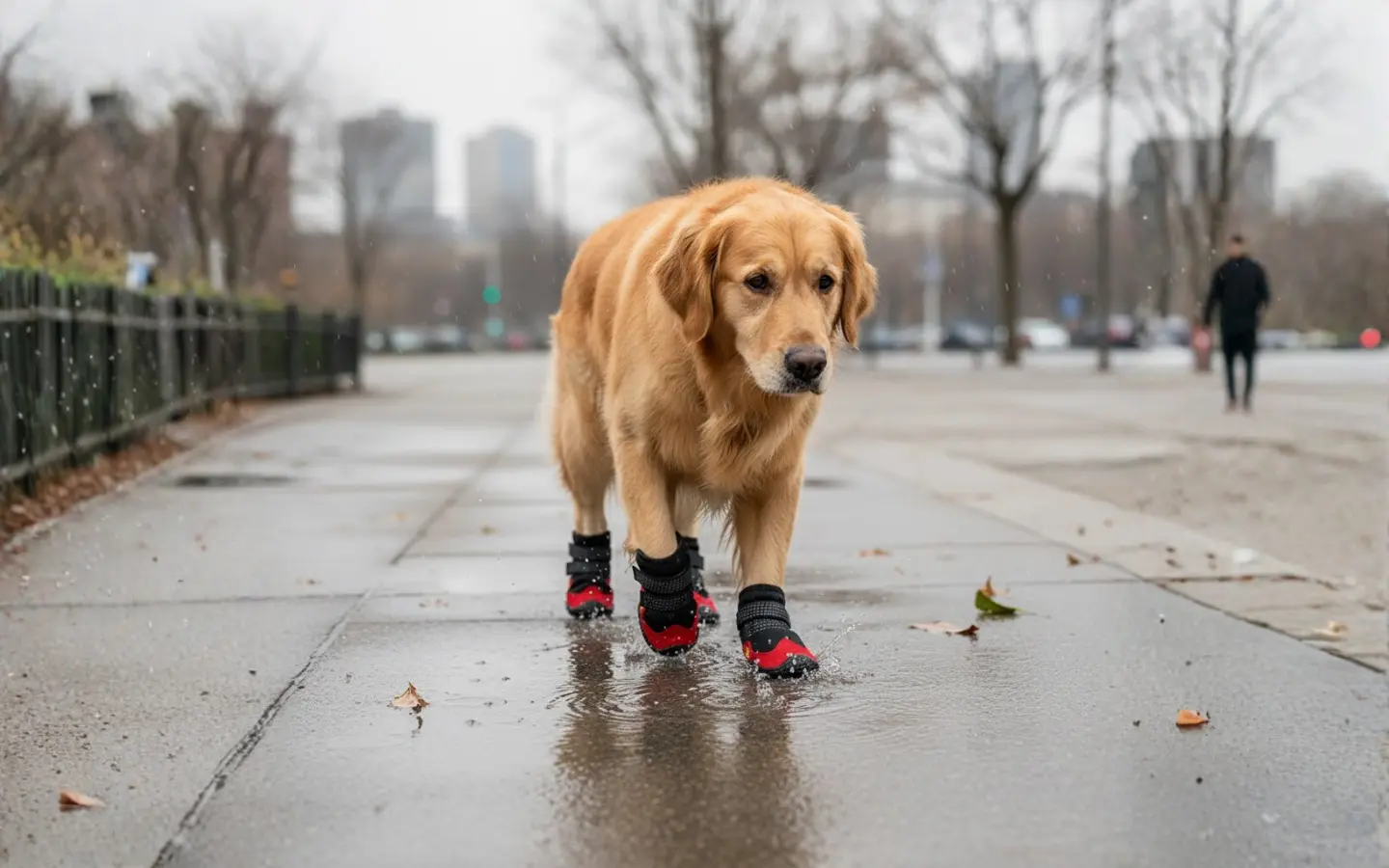
As the winter months approach, it’s crucial to ensure that your furry friend’s paws are adequately protected from the harsh elements. This guide to “Everything You Need to Know About Winter Dog Boots and Paw Protection” will provide you with expert insights and essential tips to keep your dog safe, comfortable, and active during the cold season.
Why Paw Protection is Important in Winter
Barrier Against Hazards
Winter dog boots are absolutely necessary to protect your dog’s paws from frostbite, scratches from ice, and dangerous chemicals such salt or de-icing agents. These components can cause cracked, dry, or damaged paw pads, which causes discomfort and perhaps infection.
Improved Traction
Non-slip soles on high-quality winter boots help prevent slips and falls on icy or snowy surfaces. This feature is particularly vital for senior dogs or pets with mobility issues.
Moisture and Cold Protection
Winter boots keep your dog’s paws dry and warm, preventing snow or ice from lodging between their toes. This reduces the risk of frostbite or hypothermia, especially for dogs with thinner fur or smaller paws.
Reduced Chemical Ingestion
Boots also stop dogs from licking harmful chemicals, such as de-icers or antifreeze, off their feet—a preventative measure that promotes health and safety as discussed by Ruff Wear.
Choosing the Right Winter Dog Boots
Fit
Accurate measurement is key—the boots should fit snugly without being too tight, allowing for comfort and mobility without the risk of chafing. Refer to Canine Styles for guidance on size charts and fitting tips.
Material and Construction
Opt for insulated, waterproof, and non-slip boots. These materials offer superior warmth, prevent moisture penetration, and provide grip. Sealed seams are a must for maximum waterproof performance. Talis-US provides additional tips on selecting the right material.
Height and Closure
Choose taller boots to prevent snow from entering and select boots with secure, adjustable straps or Velcro closures to keep them in place during walks.
Usage Tips for Winter Dog Boots
- Acclimation: Gradually introduce your dog to wearing boots, starting with brief indoor sessions and positive reinforcement.
- Regular Checks: Inspect the boots for wear and tear, focusing on the soles, to avoid slipping hazards.
- Cleaning: After each walk, remove the boots, and check your dog’s paws for debris or signs of irritation.
- Material Caution: Avoid boots made from latex or rubber that can trap moisture—opt for moisture-wicking linings for longer comfort.
Alternatives & Additional Care
For mild conditions, paw balms or waxes can provide protection against salt and minor irritants, though boots remain the most reliable barrier in harsh environments. Regularly check and trim hair between the paw pads to prevent snowballing.
Conclusion
Winter dog boots are indispensable for ensuring your dog’s paw protection in cold climates, maintaining their safety, warmth, and comfort throughout the season. Prioritize aspects such as fit, insulation, grip, and waterproofing when selecting boots. For a further dive into the benefits of winter dog boots, you may refer to PETSFLOW and other trusted pet care resources. Keep your pet happy and active by making informed decisions that will benefit their winter adventures.