

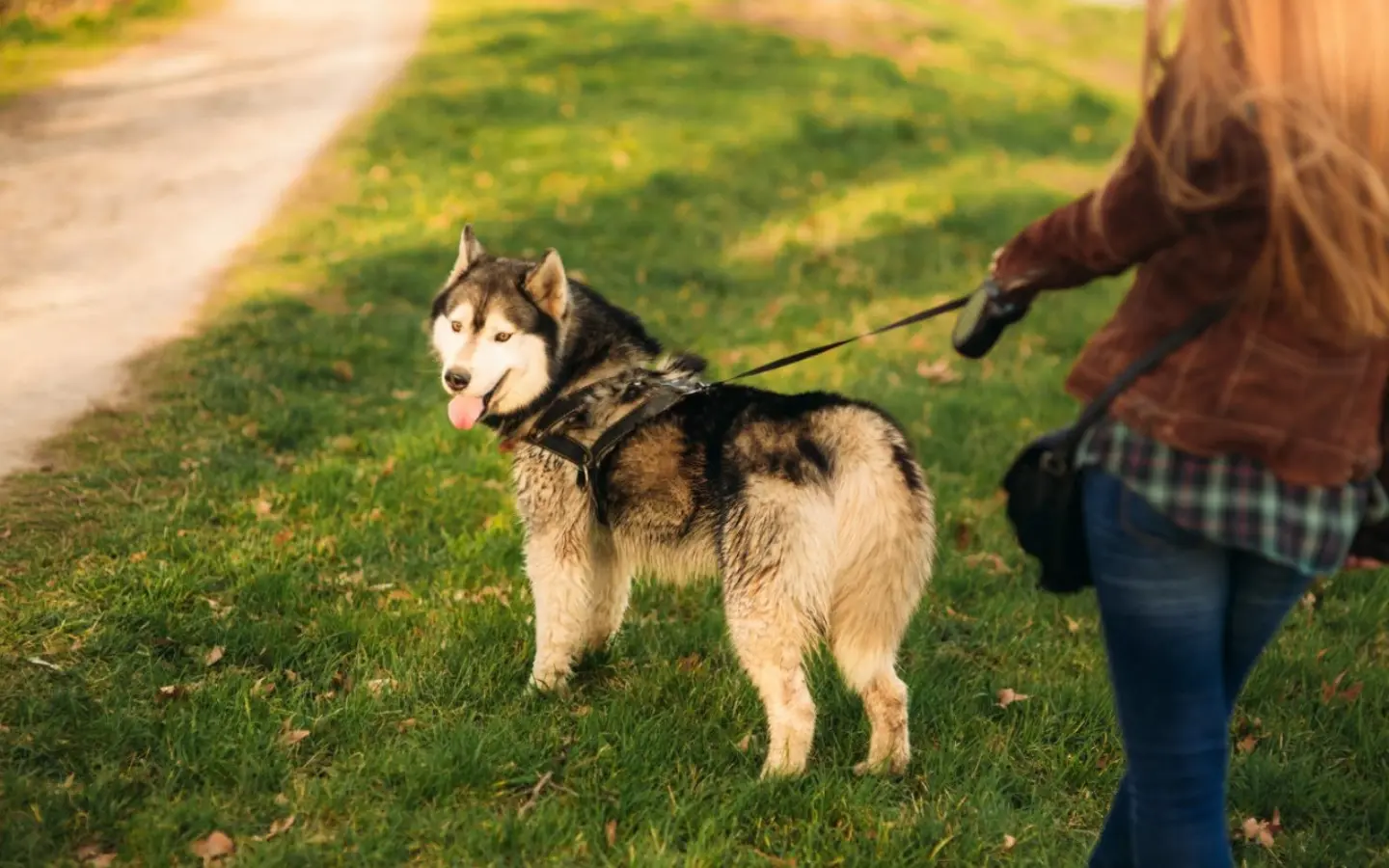
For many pet owners, walking your dog should be a happy and easy activity, but shoulder strain is a genuine worry. Enter the hands-free dog leash, a contemporary invention meant to lessen physical strain and enhance your daily walks. Do these leashes, however, truly minimize the likelihood of shoulder strain when you are out for a walk? Let’s investigate the advantages and drawbacks of using a hands-free dog leash.
The Mechanics Behind Hands-Free Dog Leashes
Hands-free dog leashes work by redistributing the pulling force exerted by your dog from your arm to either your waist or shoulder. By doing so, these leashes minimize the concentration of force that typically leads to strain and injuries in the arm and shoulder areas. According to PetSFLOW, this design is particularly beneficial for owners of large or strong dogs, preventing common injuries like shoulder strains or wrist injuries.
Benefits of Using a Hands-Free Dog Leash
- Reduced Risk of Strain: Hands-free leashes significantly diminish the likelihood of shoulder strain by spreading the pulling force across your body. This is especially advantageous for pet owners who frequently experience discomfort with traditional leashes.
- Enhanced Comfort on Longer Walks: With a hands-free setup, you can enjoy more natural movement during walks, reducing physical stress on your upper body. This feature is praised by users and experts alike for making walks or runs more enjoyable and sustainable over longer durations (source).
- Prevention of Sudden Injuries: Traditional leashes risk being yanked out of your hand, potentially leading to falls or sudden injuries. Hands-free leashes mitigate this by ensuring the pulling force is no longer concentrated in one arm.
Important Considerations for Hands-Free Leash Users
While hands-free dog leashes offer numerous benefits, they are not a cure-all for handling overly enthusiastic dogs. It is crucial to ensure your dog is trained to walk calmly and respond to commands, as untrained dogs may still pull, posing risks of being knocked off balance or worse.
Additionally, while these leashes reduce strain on the arms, they require the handler to have adequate body strength and balance to manage sudden pulls, lest the risk shifts from the arm to the torso or hips.
Finally
In conclusion, hands-free dog leashes can substantially reduce the risk of shoulder strain during daily walks by distributing force across the body. However, for optimal safety and effectiveness, they should ideally be used with well-trained dogs and by handlers equipped to handle their pet’s strength. Embrace the comfort and convenience these innovative leashes offer, but always prioritize proper training and personal capability to ensure a safe and enjoyable walking experience. Share your thoughts or experiences below—how has a hands-free leash changed your walk?