

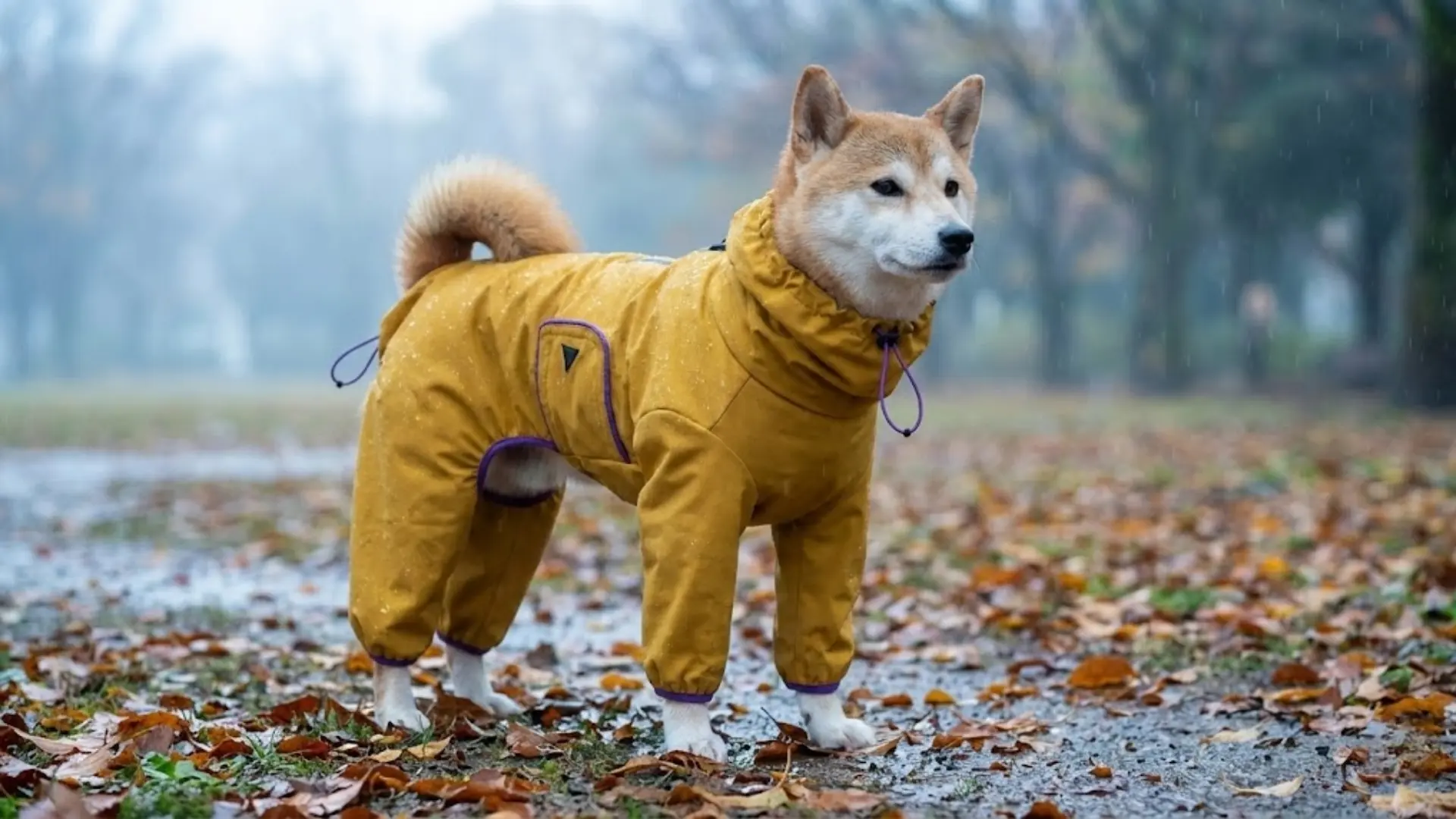
As pet owners, we want nothing more than to ensure our beloved dogs are safe, comfortable, and healthy, especially when facing the unpredictable elements. A common question that arises, particularly with changing weather, is: Do Dog Raincoats Help with Cold Paws and Prevent Hypothermia? It’s a vital query that touches on our furry friends’ well-being during chilly, wet conditions. At PETSFLOW, we’re here to cut through the confusion and provide you with expert insights based on veterinary recommendations and pet care research.
While dog raincoats are undeniably beneficial in many aspects, their ability to address both hypothermia and cold paws differs significantly. Let’s delve into what every pet owner should know to make informed decisions for their canine companion.
The Role of Dog Raincoats in Preventing Hypothermia
One of the primary and most crucial functions of a dog raincoat is to combat the risk of hypothermia. Hypothermia occurs when a dog’s body temperature drops dangerously low, often exacerbated by exposure to cold, wet, and windy conditions.
A Waterproof Barrier Against the Elements
Raincoats create an essential waterproof barrier, shielding your dog from rain, snow, wind, and moisture. This protective layer is paramount in reducing the risk of chilling and subsequently, hypothermia. As confirmed by experts, this barrier is key to maintaining a dog’s core body temperature.
Maintaining Core Body Temperature
When a dog’s fur gets wet, its natural insulating properties are significantly compromised. Wet fur loses its ability to trap warmth quickly, leading to rapid body heat loss. By keeping your dog dry, a raincoat helps maintain their body heat, which is particularly vital for smaller dogs or those with thin coats, such as Miniature Pinschers or Jack Russell Terriers. These breeds are inherently more susceptible to the cold due to their limited natural insulation.
Added Insulation for Enhanced Warmth
Beyond just keeping them dry, many dog raincoats offer an additional layer of warmth through their lining or by enabling layering options. Much like human winter coats, these designs help trap body heat, providing an extra shield against the cold. In cooler weather, pairing a light raincoat with a mid-season underlayer can significantly enhance your dog’s warmth and comfort.
Do Raincoats Protect Against Cold Paws? The Reality
While raincoats excel at protecting your dog’s torso from the elements and preventing hypothermia, it’s critical to understand their limitations, especially regarding paw protection.
Unfortunately, raincoats do not directly address the issue of cold paws. Your dog’s paws remain exposed to cold, wet ground, snow, and ice, even when their body is covered by a raincoat. Despite torso coverage, paws can still get cold or icy, leading to discomfort or even injury.
For proper paw insulation and traction in harsh conditions, alternative solutions are typically recommended. This includes dog boots, which provide a physical barrier against cold surfaces, or paw wax, which creates a protective layer. We recommend exploring our detailed guide on “Choosing the Best Dog Boots for Winter” for comprehensive paw protection strategies.
Key Considerations for Choosing a Dog Raincoat
Selecting the right raincoat involves more than just aesthetics; it’s about functionality, comfort, and addressing your dog’s specific needs.
Breed-Specific Needs
- Short-haired or Small Breeds: Breeds like Chinese Crested or Chihuahuas benefit immensely from raincoats. Their minimal fur and small stature make them highly vulnerable to cold and hypothermia, so added warmth and protection are crucial.
- Thick-coated Breeds: Dogs with dense coats, such as Shetland Sheepdogs, may primarily need a raincoat for wind and rain protection rather than heavy insulation. Overheating can be a concern for these breeds if the raincoat is too warm.
Fit, Mobility, and Other Benefits
Always prioritize a raincoat that offers a good fit, allowing your dog full range of motion and comfort. A well-fitting coat ensures they can run, walk, and play without restriction. Beyond temperature regulation, raincoats also help prevent mud tracking into your home and can minimize fur matting from prolonged wetness.
Consult Your Veterinarian
For breed-specific concerns or if you have a dog with particular health conditions, always consult your veterinarian. They can offer tailored advice on whether a raincoat is necessary and what type would best suit your dog’s individual needs, especially for thick-furred dogs living in very cold climates.
Conclusion
To answer the critical question: Do Dog Raincoats Help with Cold Paws and Prevent Hypothermia? Yes, dog raincoats are highly effective at preventing hypothermia by keeping your canine companion dry and providing insulation against cold, wind, and wet conditions. This is particularly vital for small or short-haired breeds. However, they do not directly protect against cold paws, which remain exposed to the elements. For paw protection, specialized gear like boots or paw wax is recommended.
Ensuring your dog is adequately protected from the weather is a key part of responsible pet ownership. By understanding the specific benefits and limitations of dog raincoats, you can make the best choices to keep your furry friend safe, warm, and happy in any weather. Explore our other guides for more tips on year-round pet care and safety!