

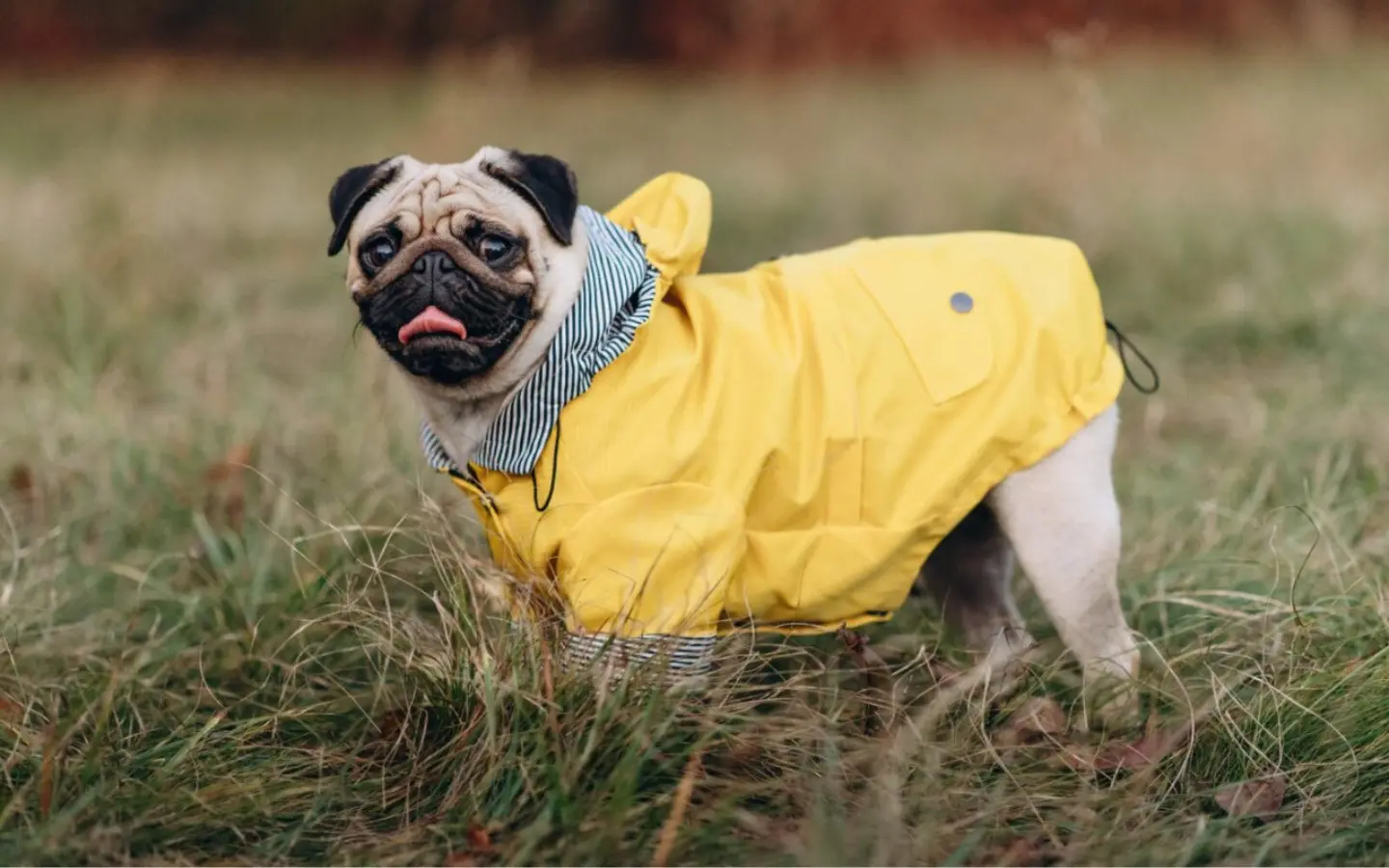
Thorough Cleaning Guide for Your Dog’s Raincoat After Muddy Trail Adventures
Muddy terrains leave your dog’s raincoat coated in thick, caked-on dirt, moisture, and organic debris like leaves or twigs. If not cleaned properly, mud dries into a hard, abrasive layer that damages fabric fibers, clogs waterproof membranes, and traps bacteria. Here’s how to restore the raincoat to its original condition without compromising its protective features.
Pre-Cleaning: Removing Excess Mud and Loose Debris
Before introducing water, tackle the bulk of the mud to avoid spreading grime or clogging drains. Shake the raincoat vigorously outdoors to dislodge large clumps of dried mud. Use a soft-bristled brush or an old toothbrush to gently scrape off stubborn patches from the surface, working in the direction of the fabric’s weave to prevent pilling. For mud trapped in seams, folds, or Velcro closures, use a plastic spatula or the edge of a credit card to lift it away without snagging the material.
If the raincoat has removable components like hoods or leg straps, detach them for separate cleaning. Check pockets or lining layers for hidden mud pockets and turn them inside out to shake out debris. Avoid using metal tools or sharp objects, as they can scratch waterproof coatings or puncture delicate fabrics. Once most of the loose mud is gone, proceed to soak and scrub the remaining residue.
Soaking and Agitating to Dissolve Caked-On Dirt
Fill a basin or bathtub with lukewarm water—avoid hot temperatures, as they can shrink synthetic materials or melt adhesive seams. Add a small amount of mild, pH-neutral detergent designed for delicate fabrics. Submerge the raincoat completely, pressing down to ensure all areas are saturated. Let it soak for 20–30 minutes to soften dried mud, which loosens its grip on the fibers.
After soaking, use your hands to agitate the fabric gently, focusing on heavily soiled zones like the hem, cuffs, and underbelly. For persistent mud stains, create a paste using baking soda and water, apply it to the spot, and let it sit for 10 minutes before scrubbing with a soft cloth. Avoid using abrasive sponges or stiff brushes, as they can wear down the fabric’s surface. If the raincoat has a waterproof membrane, skip harsh scrubbing near seams to prevent delamination.
Deep-Cleaning Zippers, Buckles, and Hardware
Zippers, buckles, and plastic fasteners collect mud in their teeth, tracks, and crevices, impairing functionality and causing rust if metal. Use a damp cotton swab or an old toothbrush dipped in soapy water to clean between zipper teeth, moving back and forth to dislodge grime. For stuck zippers, apply a pet-safe silicone-based lubricant after cleaning to ensure smooth operation.
Buckles and D-rings require careful attention to prevent mud from hardening inside their mechanisms. Rinse them under running water while flexing the plastic or metal to flush out debris. If mud is caked around rivets or stitching, use a needle or pin to pick it out gently. After cleaning, dry these components thoroughly with a microfiber cloth to prevent water spots or corrosion, which weaken their grip over time.
Rinsing and Drying Without Compromising Waterproofing
Once the raincoat is free of mud and soap residue, rinse it thoroughly under cool, running water. Pay close attention to seams, folds, and inner layers where detergent might linger. Test the water’s clarity by squeezing the fabric—if suds appear, continue rinsing until the water runs clean. Avoid wringing the raincoat, as this twists the fibers and damages waterproof coatings. Instead, press out excess water by sandwiching it between two clean towels.
To dry, hang the raincoat on a padded hanger in a well-ventilated area away from direct sunlight or heat sources, which can warp plastic hardware or fade colors. Ensure the garment is fully dry before storing it, as dampness trapped in seams or pockets leads to mildew and unpleasant odors. If the raincoat has a fleece lining or removable insulation, dry these components separately to prevent moisture retention.
By following these steps, you can remove every trace of mud from your dog’s raincoat while preserving its waterproofing, flexibility, and durability. Regular deep cleaning after muddy outings ensures the garment stays functional and comfortable for your pet’s next adventure.