

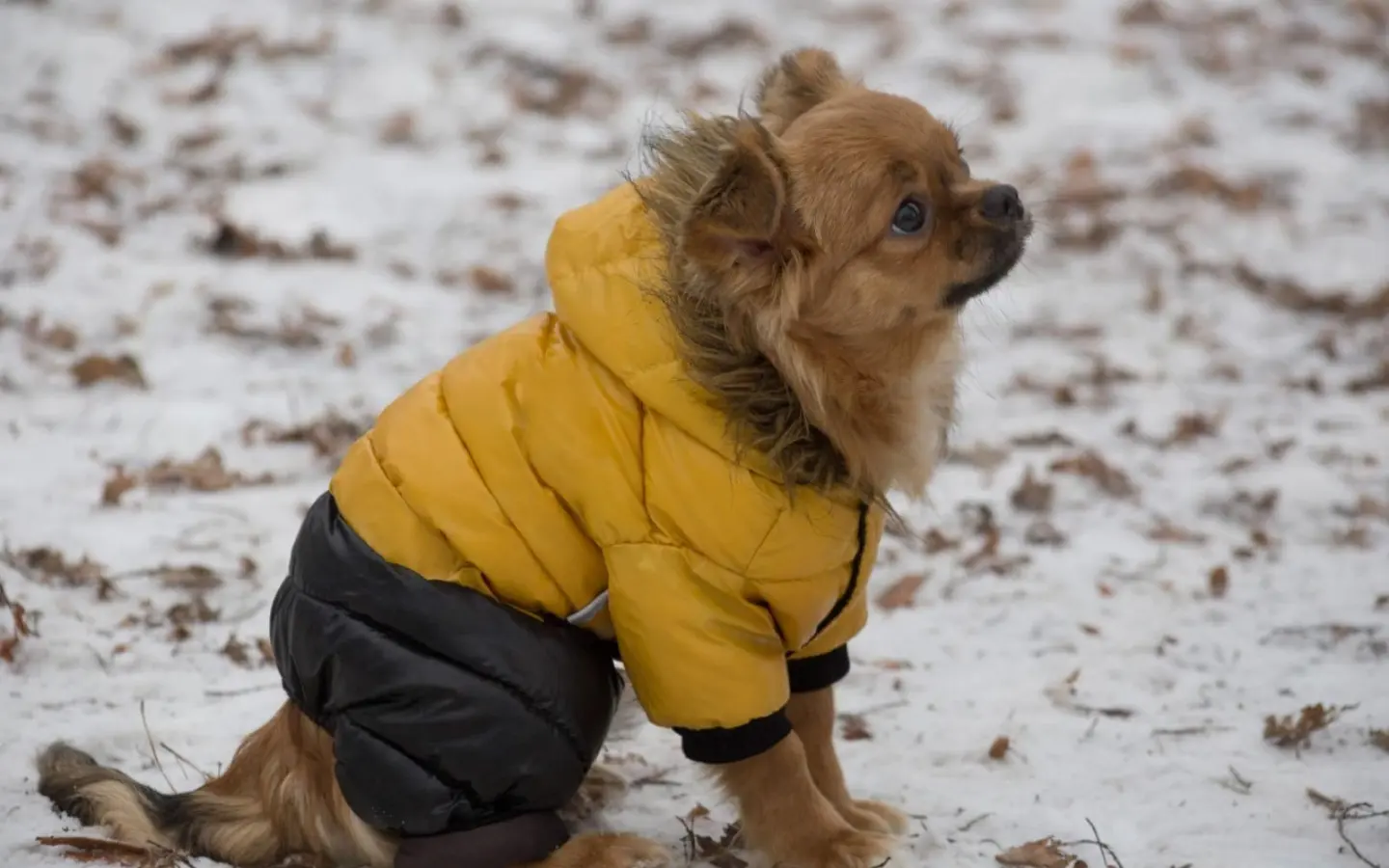
Choosing Between Loose or Fitted Raincoats for Dogs Based on Activity Level
A dog’s daily energy expenditure and movement patterns significantly influence whether a loose or fitted raincoat is more appropriate. High-energy breeds that run, jump, or hike in wet conditions need different protection than low-activity dogs that prefer leisurely strolls. Understanding how activity level affects rainwear fit ensures comfort, safety, and practicality during outdoor adventures.
1. High-Activity Dogs: Prioritizing Mobility and Breathability
Active breeds like Border Collies, Labradors, or Australian Shepherds require raincoats that don’t hinder their natural range of motion. A fitted raincoat might restrict shoulder movement during sprints or cause chafing under the legs during agility exercises. Conversely, an overly loose design could flap in the wind, create drag, or get caught on branches during off-leash exploration.
For these dogs, opt for a slightly relaxed fit with strategic stretch panels or articulated seams that move with the body. Ensure the coat’s hem stays above the knees to prevent snagging on underbrush, and choose lightweight, water-resistant materials that allow sweat to evaporate. Adjustable straps at the chest and belly help secure the coat without compressing the fur or skin during vigorous activity.
2. Low-Activity Dogs: Focusing on Coverage and Ease of Use
Senior dogs, brachycephalic breeds, or pets recovering from injuries often move at a slower pace and may struggle with complex closures or restrictive fabrics. A fitted raincoat that hugs the body tightly could make it harder for them to lie down, sit, or navigate steps comfortably. On the other hand, an excessively baggy coat might slide off their back or bunch up around the legs, creating tripping hazards.
Select a raincoat with a moderate, adjustable fit that drapes smoothly over the body without excess fabric. Look for designs with wide leg openings and a low-cut neckline to avoid pressure on sensitive areas. Velcro or magnetic closures simplify dressing and undressing, which is especially helpful for dogs with limited dexterity or patience.
3. Mixed-Activity Dogs: Balancing Versatility and Adaptability
Some dogs alternate between bursts of energy and periods of rest, such as during hikes with frequent water breaks or play sessions followed by naps. These pets need a raincoat that transitions seamlessly between active and relaxed states. A coat that’s too tight may feel suffocating during downtime, while one that’s too loose could shift out of place during sudden movements.
Choose a raincoat with a flexible, adjustable design that allows for layering. For example, a coat with removable sleeves or a detachable hood can adapt to changing activity levels. Ensure the fabric is soft enough for lounging but durable enough to withstand rough play. Elasticized cuffs and a contoured waist help keep the coat in place without sacrificing comfort.
Additional Considerations for All Activity Levels
Regardless of how active the dog is, always check that the raincoat doesn’t interfere with urination or defecation. High-activity dogs may need reinforced stitching in high-friction areas like the armpits or groin, while low-activity dogs benefit from seamless linings to prevent skin irritation. For mixed-activity pets, test the coat during both movement and rest to ensure it stays secure and comfortable in all scenarios.
By tailoring the raincoat’s fit to the dog’s typical behavior, owners can provide reliable protection without compromising mobility or comfort. A well-fitted raincoat encourages outdoor exploration while keeping pets dry and happy, regardless of their energy level.