

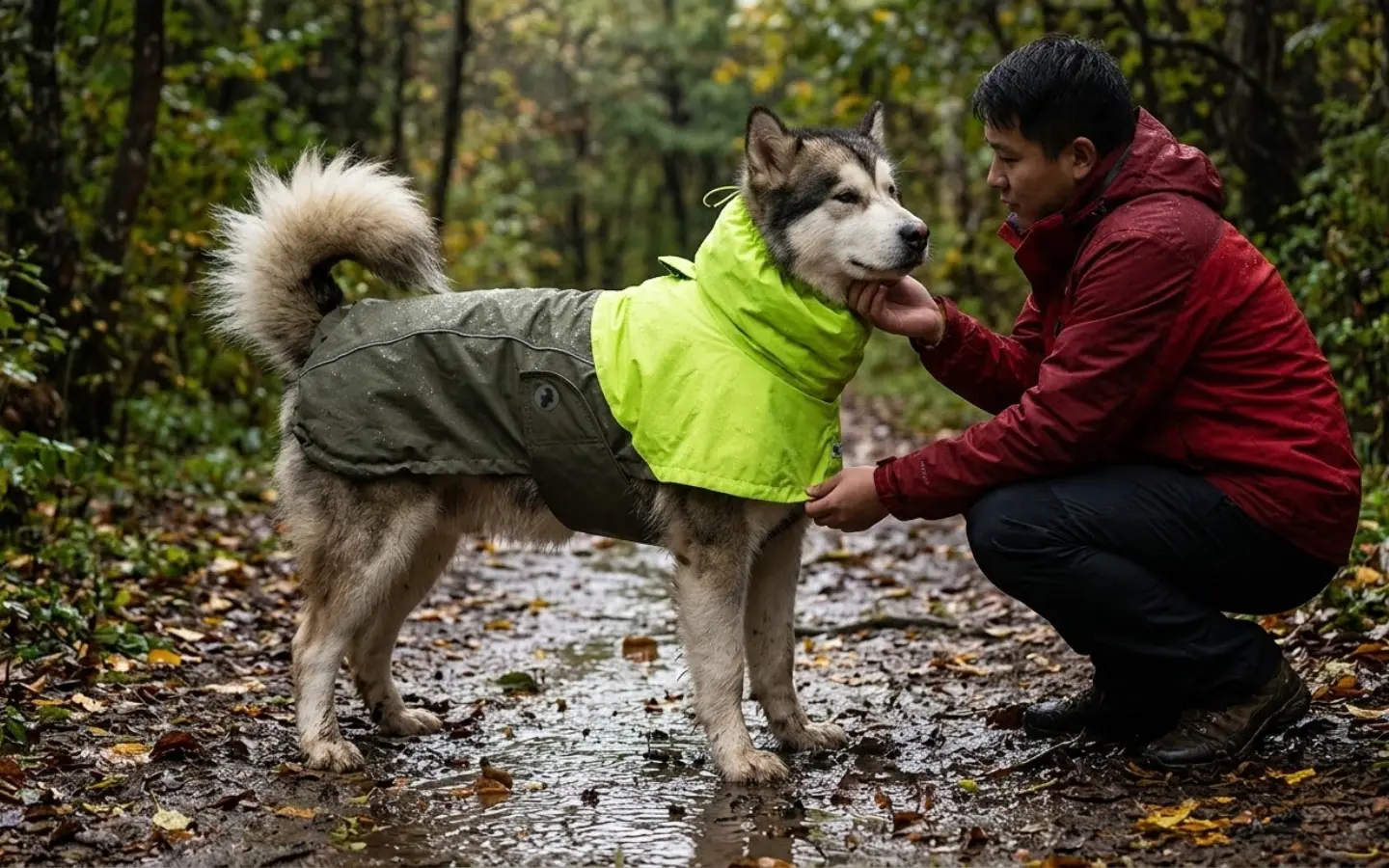
As devoted pet parents, we always want the best for our furry companions, especially when facing the elements. A dog raincoat might seem like a straightforward purchase, but surprisingly, many pet owners make several common dog raincoat mistakes that can hinder its effectiveness, comfort, and even our dog’s willingness to wear it. At PETSFLOW, we understand these challenges, and our goal is to help you navigate the world of canine apparel with expertise and confidence.
In this comprehensive guide, we’ll delve into the most frequent errors owners make when choosing, using, and maintaining their dog’s raincoat, providing practical solutions based on expert advice and industry best practices. By understanding these pitfalls, you can ensure your dog stays dry, comfortable, and safe on every rainy adventure.
The Importance of a Well-Fitting Raincoat
Before we dive into the mistakes, let’s briefly touch upon why a raincoat is essential for many dogs. While some breeds have water-repellent coats, many, especially short-haired, senior, or small breeds, struggle in wet weather. A good raincoat protects them from cold, dampness, and potential skin infections, making walks more enjoyable for everyone. However, its effectiveness hinges on avoiding these common dog raincoat mistakes.
-
Fit and Sizing Errors: The Number One Mistake
One of the most frequent and impactful common dog raincoat mistakes is choosing the wrong size or fit. An ill-fitting raincoat is not only uncomfortable but also ineffective.
The Problem with Incorrect Sizing
- Too Tight: A raincoat that’s too snug can cause chafing, restrict your dog’s movement, and lead to discomfort or even pain. Imagine trying to walk in a jacket that’s several sizes too small!
- Too Loose: Conversely, a coat that’s too large will leave vital areas exposed to rain, defeating its purpose. It can also snag on objects or trip your dog, posing a safety risk.
- Neglecting Measurements: Many owners skip measuring their dog’s key dimensions—chest girth, back length (from neck base to tail base), and neck circumference. This oversight often leads to guesswork and disappointment.
How to Avoid Fit and Sizing Mistakes
To ensure a perfect fit, always:
- Measure Accurately: Before purchasing, take precise measurements of your dog’s chest, back length, and neck. Refer to our detailed guide on [How to Measure Your Dog for Clothing] (Internal Link Suggestion: Link to an article on “How to Measure Your Dog for Clothing”).
- Consult Sizing Charts: Every reputable manufacturer provides a sizing chart. Compare your dog’s measurements to these charts.
- Look for Adjustable Features: Raincoats with adjustable straps around the belly and neck allow for a more customized and snug fit, accommodating slight variations in your dog’s build.
- Consider Breed-Specific Options: Some brands offer coats designed for specific breeds, which can provide a better fit for unique body shapes. (Source: k9apparel.com, parisianpet.com, hoovesandpaws.com)
-
Skipping Introduction and Acclimation: The Behavioral Blunder
Another significant among the common dog raincoat mistakes is introducing the raincoat abruptly without proper acclimation.
The Impact of Sudden Introduction
- Fear and Resistance: Many dogs are startled by new objects, especially something they have to wear. Trying to put a raincoat on a dog for the first time during a sudden downpour can lead to fear, anxiety, and a strong aversion to the coat.
- Negative Associations: If the first experience is negative, your dog may associate the raincoat with unpleasant feelings, making future attempts even harder. They might freeze, shake it off, or simply refuse to move. (Source: k9apparel.com, rockymountaindog.ca)
How to Introduce a Raincoat Positively
- Start Gradually: Allow your dog to sniff and inspect the raincoat in a relaxed environment.
- Positive Reinforcement: Place the raincoat near your dog, offer treats and praise. Slowly progress to draping it over their back, then fastening it for short periods indoors.
- Associate with Rewards: Make wearing the raincoat a positive experience by coupling it with treats, praise, and favorite activities.
- Avoid Hot Weather Training: Introduce the raincoat when it’s cool to prevent overheating, which could create a negative association.
- Practice Short Strolls: Once comfortable indoors, try short walks in the raincoat in dry weather before using it in the rain.
- Poor Material and Style Choices: The Comfort Compromise
Not all raincoats are created equal. Choosing the wrong material or an impractical style is another one of the common dog raincoat mistakes.
Suboptimal Choices
- Irritating Materials: Reversible coats or those with stiff plastic linings can chafe and irritate your dog’s skin, especially sensitive areas.
- Lack of Breathability: Materials that don’t breathe can cause your dog to overheat, even in cool rain.
- Difficult Styles: Step-in or sleeved styles can be cumbersome to put on, particularly when your dog’s paws are already wet and muddy.
- No Hood: For dogs with floppy ears, a non-hooded raincoat leaves their ears exposed to water, increasing the risk of ear infections. (Source: k9apparel.com)
Smart Material and Style Decisions
- Prioritize Comfort: Look for raincoats with soft, breathable linings (like mesh) against your dog’s body.
- Opt for Easy-to-Wear Styles: Over-the-body styles with simple belly straps are generally easier to put on and take off.
- Hood Protection: Choose raincoats with a roll-up hood to protect your dog’s ears and head from rain.
- Durable & Lightweight: Select durable, waterproof, yet lightweight materials that won’t weigh your dog down.
-
Inadequate Coverage and Protection: The Overlooked Vulnerabilities
Believing that “fur is enough protection” or choosing a coat that doesn’t adequately cover key areas are serious common dog raincoat mistakes.
Areas Often Left Exposed
- Back, Chest, and Underside: Many raincoats only cover the top of the back, leaving the chest and underside vulnerable to splashes and rain. This is particularly problematic for short-legged breeds.
- The “Fur is Enough” Myth: While some breeds have dense, water-resistant coats, very few are truly impervious to prolonged rain. For most dogs, especially those with single coats, senior dogs, or small breeds, fur alone is insufficient to prevent them from getting thoroughly soaked and chilled. (Source: hoovesandpaws.com, rockymountaindog.ca)
Ensuring Full Protection
- Choose Full-Coverage Designs: Look for coats that extend down the back, provide ample chest coverage, and protect a good portion of the belly, especially for low-riding dogs.
- Consider Leg Protection: For very wet conditions or dogs prone to getting muddy, consider coats with integrated leg coverings or pairing the raincoat with dog boots. (Internal Link Suggestion: Link to an article on “Choosing the Best Dog Boots for Wet Weather”).
-
Improper Cleaning and Maintenance: The Waterproofing Woe
Even the best raincoat will fail if not cared for properly. Incorrect cleaning is a subtle but significant one of the common dog raincoat mistakes.
Damaging Cleaning Practices
- Harsh Detergents & Bleach: Using strong chemicals can strip away the waterproof coating (DWR – Durable Water Repellent) of the fabric.
- Regular Laundry Cycles & High Heat: Washing in a standard machine cycle with everyday detergents or drying with high heat can degrade the waterproofing and fabric integrity.
- Fabric Softeners: These can clog the pores of breathable waterproof fabrics, reducing their performance. (Source: hoovesandpaws.com, fitwarm.com, wantalkpet.com)
Proper Raincoat Care
- Follow Manufacturer Instructions: Always check the care label on your dog’s raincoat.
- Gentle Cleaning: Hand wash with mild soap or a specialized technical fabric cleaner. If machine washing, use a gentle cycle with cold water.
- Air Dry: Air dry the raincoat away from direct sunlight or high heat.
- Reproofing Sprays: Over time, the DWR coating naturally wears off. Use reproofing sprays designed for outdoor gear to restore water repellency. (External Link Suggestion: Link to a reputable DWR reproofing spray product page or informational site like Nikwax.com)
-
Other Overlooked Details: Safety and Comfort Considerations
Finally, neglecting seemingly minor features can also be counted among the common dog raincoat mistakes.
- Lack of Reflective Strips: In low light conditions (dusk, dawn, heavy rain), visibility is crucial for safety. A raincoat without reflective elements makes your dog harder to see by drivers and cyclists. (Source: deltatyres.com)
- Not Tailoring to Weather Changes: A thin, unlined raincoat is great for warm rain, but insufficient for cold, wet weather. Conversely, a heavily insulated rain jacket can cause overheating in mild conditions. (Source: parisianpet.com)
Enhancing Safety and Comfort
- Reflective Features: Always choose a raincoat with prominent reflective strips or piping for enhanced visibility during walks.
- Layering Options: Consider having different raincoats for various temperatures, or choose a shell-style raincoat that allows for layering with a fleece underneath in colder weather.
Conclusion: Empowering Pet Owners
Avoiding these common dog raincoat mistakes is key to keeping your canine companion dry, comfortable, and happy during wet weather. By taking the time to measure accurately, introduce the coat positively, select appropriate materials and styles, ensure adequate coverage, and maintain it properly, you transform a simple piece of apparel into a valuable tool for your dog’s well-being.
At PETSFLOW, we believe that informed pet owners make the best decisions. We encourage you to share your experiences and tips on choosing and using dog raincoats in the comments below. For more expert advice on pet care and products, explore other articles on our PETSFLOW blog!