

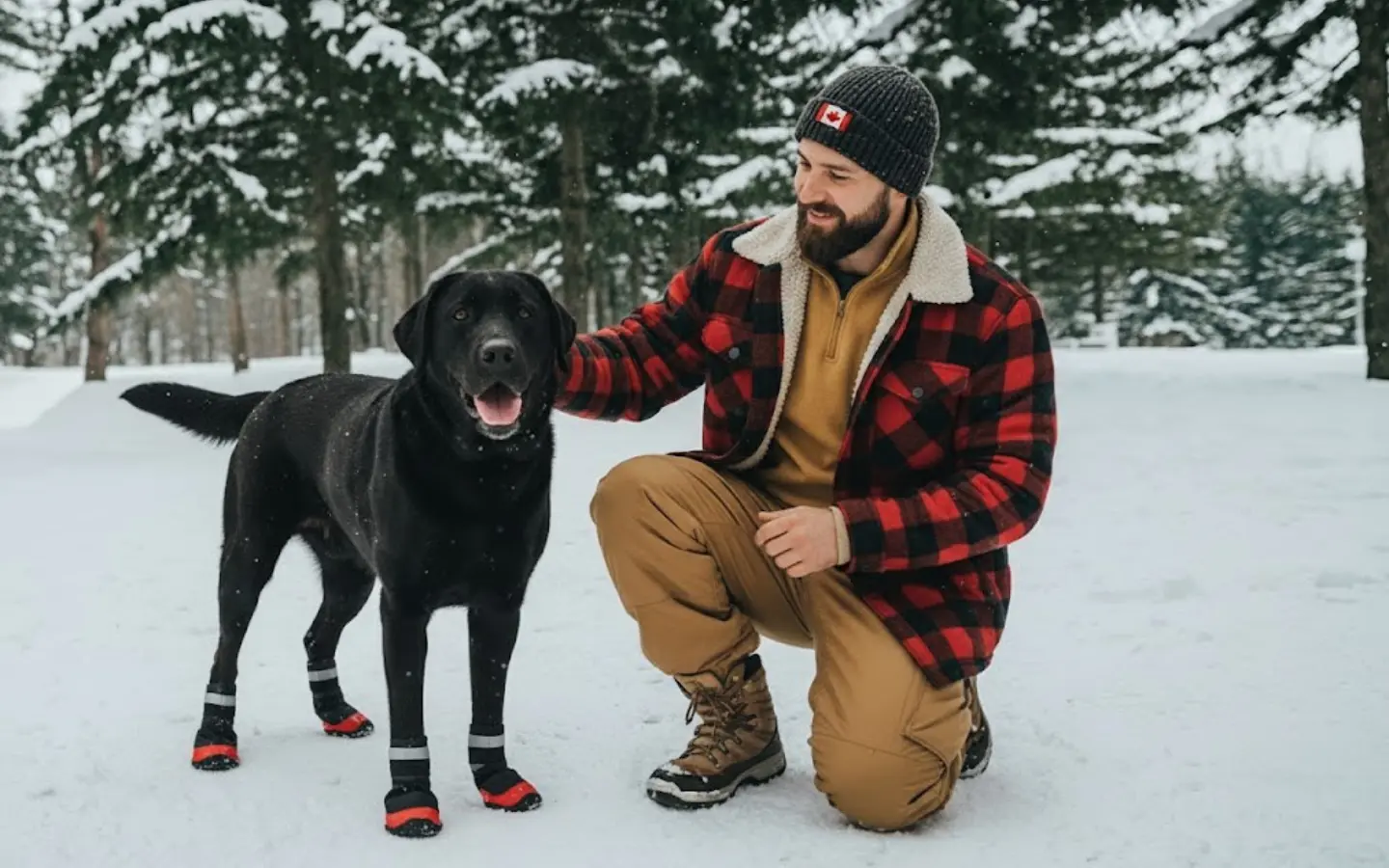
Effective Cleaning Methods for Dog Water Bottles After Outdoor Use
Keeping your dog’s outdoor water bottle clean is essential to prevent bacterial growth, mold, and unpleasant odors. Regular maintenance ensures safe hydration during hikes, walks, or trips. Here’s how to properly clean and maintain your dog’s water bottle after outdoor adventures.
1. Immediate Post-Use Rinsing to Prevent Residue Buildup
Rinsing the bottle right after use removes lingering moisture and food particles, reducing the risk of contamination.
Emptying Leftover Water:
- Pour out any remaining water to avoid stagnation. Stagnant water creates a breeding ground for bacteria, especially in warm weather.
- If the bottle has a detachable bowl or spout, rinse those separately to dislodge trapped debris.
Quick Rinse with Warm Water:
- Use warm (not hot) water to flush the interior. Swirl the water vigorously to dislodge any residue clinging to the sides or bottom.
- For bottles with narrow openings, use a bottle brush or a long-handled sponge to reach corners.
Drying the Bottle:
- After rinsing, shake out excess water and leave the bottle open to air-dry. Avoid storing a damp bottle, as moisture encourages mold growth.
- If possible, place the bottle upside down on a clean towel or drying rack to ensure complete drainage.
2. Deep Cleaning Techniques for Stubborn Grime
Over time, mineral deposits, algae, or biofilm may form inside the bottle. Deep cleaning removes these contaminants effectively.
Using Vinegar for Natural Disinfection:
- Fill the bottle halfway with white vinegar and the rest with warm water. Let it soak for 30–60 minutes to break down mineral deposits and kill bacteria.
- After soaking, scrub the interior with a brush or sponge. Rinse thoroughly with clean water to remove any vinegar taste.
Baking Soda for Odor Removal:
- If the bottle retains a musty smell, create a paste with baking soda and water. Apply it to the interior using a brush, focusing on stained or smelly areas.
- Let the paste sit for 15–20 minutes before rinsing. Baking soda neutralizes odors without leaving chemical residues.
Lemon Juice for Freshness:
- For a natural deodorizer, mix lemon juice with warm water (1:3 ratio) and fill the bottle. Let it sit for 20–30 minutes, then scrub and rinse.
- Lemon’s acidic properties help dissolve grime while leaving a fresh scent.
3. Cleaning Accessories: Bowls, Spouts, and Straps
Attachments like bowls or spouts require separate attention, as they often collect more debris.
Detaching and Washing Removable Parts:
- If the bottle has a detachable bowl or spout, separate them for thorough cleaning. Use a mild dish soap and warm water to scrub each piece.
- Pay close attention to crevices where food or saliva might accumulate. A toothbrush can help clean small gaps.
Sanitizing Spouts and Nozzles:
- Spouts are prone to clogging with slime or debris. Soak them in a vinegar-water solution (1:1 ratio) for 15–20 minutes, then use a pin or needle to clear any blockages.
- Rinse with hot water afterward to ensure no vinegar remains.
Cleaning Carrying Straps and Handles:
- Fabric straps or handles may absorb dirt or sweat. Wipe them down with a damp cloth and mild soap, or machine-wash them if the material allows.
- Let straps air-dry completely before reattaching them to the bottle.
4. Maintaining Long-Term Hygiene Through Routine Care
Regular maintenance extends the lifespan of your dog’s water bottle and ensures ongoing safety.
Establishing a Cleaning Schedule:
- After every outdoor use, rinse the bottle and dry it thoroughly. Perform a deep clean every 1–2 weeks, or more frequently if you notice buildup.
- Mark your calendar or set reminders to stay consistent.
Storing the Bottle Properly:
- Keep the bottle in a cool, dry place away from direct sunlight. Prolonged exposure to heat can degrade plastic materials and promote bacterial growth.
- If storing for an extended period, ensure the bottle is completely dry to prevent mold.
Inspecting for Wear and Tear:
- Regularly check the bottle for cracks, discoloration, or unusual odors. Damaged bottles may harbor bacteria more easily and should be replaced.
- If the bottle’s seal loosens over time, tighten it or consider upgrading to a model with a more durable design.
By following these steps, you’ll keep your dog’s outdoor water bottle clean, safe, and ready for the next adventure. Consistent care not only protects your pet’s health but also ensures the bottle remains functional for years.