

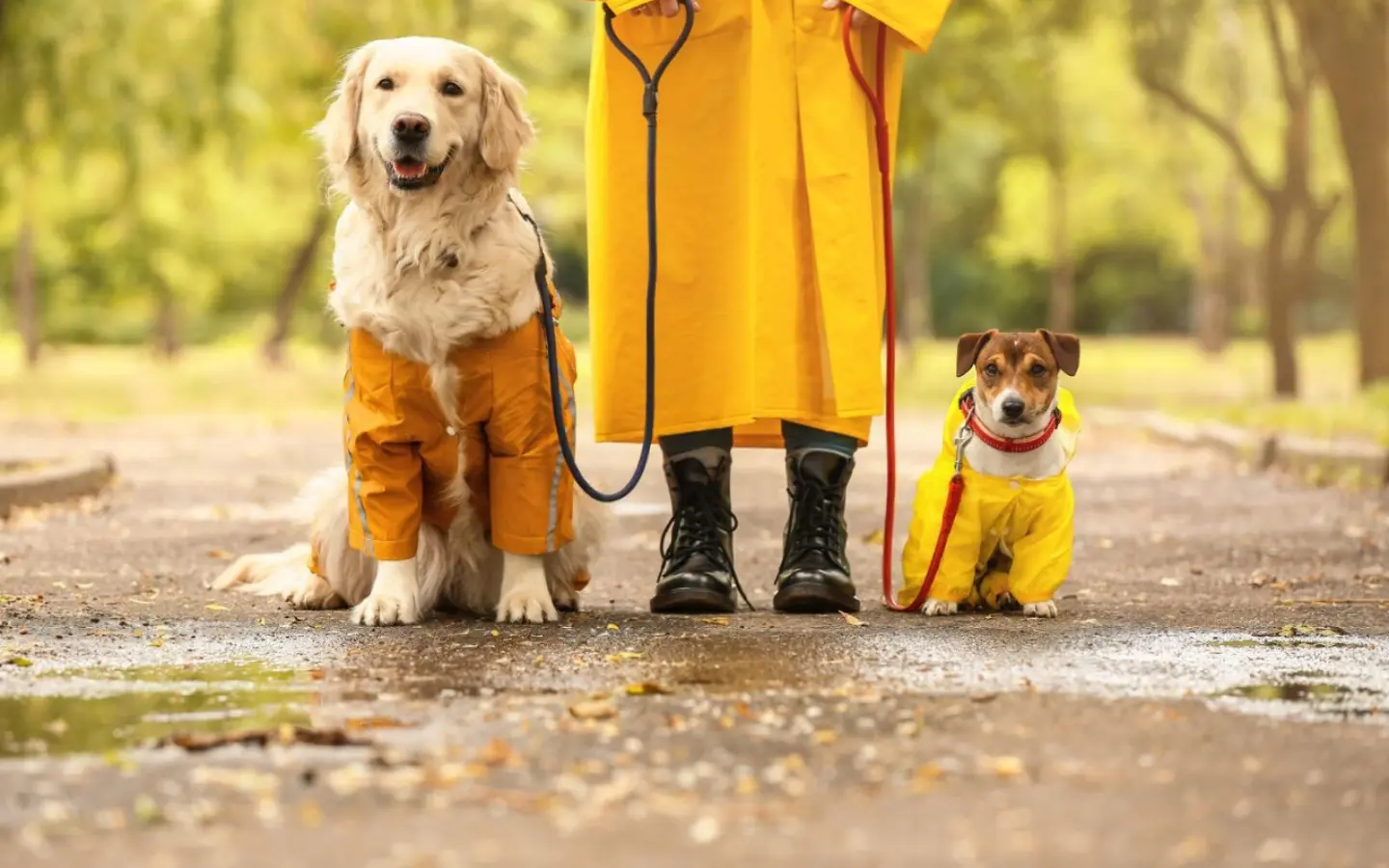
Choosing the Right Raincoat Size for Your Dog Based on Breed Characteristics: A Detailed Guide
Every dog breed has unique physical traits—from body shape and coat type to activity level—that influence how a raincoat fits and functions. While general sizing charts provide a starting point, understanding your breed’s specific needs ensures the garment stays secure, comfortable, and effective in wet conditions. Here’s how to tailor your selection to your dog’s breed-related traits.
Breeds With Stocky or Barrel-Shaped Bodies
Dogs like Bulldogs, Pugs, or Corgis have broad chests and short legs relative to their weight, which affects how a raincoat drapes and stays in place. These breeds require styles that accommodate their robust frames without restricting movement.
- Chest Girth Priority: For barrel-chested breeds, focus on raincoats with adjustable chest straps or elastic panels. The garment should sit snugly around the widest part of the chest without pinching or riding up.
- Shorter Back Lengths: Many stocky breeds have shorter torsos. Avoid raincoats designed for longer-bodied dogs, as excess fabric can drag on the ground or bunch near the hind legs.
- Leg Openings: If the raincoat includes leg holes, ensure they align with your dog’s natural stance. For breeds with short legs, like Dachshunds, opt for styles with minimal leg coverage to prevent tripping.
Breeds With Long Bodies and Short Legs
Dachshunds, Basset Hounds, and Corgis fall into this category, requiring raincoats that provide full back coverage without interfering with their low-to-the-ground gait.
- Extended Back Coverage: Look for raincoats labeled “long” or “extra-length” to ensure the garment reaches the base of the tail. Shorter coats may leave the lower back exposed to rain or mud.
- Flexible Waistbands: Adjustable waist straps help secure the raincoat without restricting breathing or movement. For breeds with deep chests, ensure the straps sit comfortably below the ribcage.
- Avoid Heavy Fabrics: Long-bodied breeds may struggle with bulky materials that weigh them down. Lightweight, waterproof fabrics reduce drag and keep them agile.
Breeds With Slender or Athletic Builds
Greyhounds, Whippets, and Salukis have lean frames and deep chests, making it challenging to find raincoats that fit without slipping or flapping. These breeds need styles that contour to their bodies and stay put during high-energy activity.
- Form-Fitting Designs: Choose raincoats with a tapered cut that hugs the body without being restrictive. Look for adjustable neck and chest closures to create a custom fit.
- High Necklines: Athletic breeds often have long necks, so a raincoat with a high collar or adjustable neck strap prevents water from seeping in around the shoulders.
- Breathable Materials: Avoid stiff or non-breathable fabrics that could cause overheating during runs or play. Opt for mesh-lined or ventilated options to promote airflow.
Breeds With Thick or Double Coats
Huskies, Malamutes, and Chow Chows have dense fur that traps heat, requiring raincoats that balance waterproofing with breathability. These breeds also need room for their coats without feeling constricted.
- Looser Fit with Room to Layer: Select a size that allows space for the coat without being overly baggy. The raincoat should sit comfortably over the fur without pressing it flat, which could reduce insulation.
- Ventilation Features: Look for designs with underarm gussets or mesh panels to prevent overheating. Avoid fully sealed raincoats that trap moisture against the skin.
- Easy On/Off Design: Thick coats can make dressing difficult. Opt for raincoats with wide neck openings or Velcro closures for hassle-free application.
Breeds With Short or Single Coats
Greyhounds, Boxers, and Dobermans lack the natural insulation of thicker coats, making them more vulnerable to cold and wet conditions. Their raincoats should prioritize warmth and full-body coverage.
- Full-Length Styles: Choose raincoats that cover the chest, back, and hindquarters to shield against wind and rain. Some designs include hoods or belly flaps for added protection.
- Insulated Linings: While the primary goal is waterproofing, a lightweight fleece or thermal lining provides extra warmth without adding bulk. Ensure the lining doesn’t cause overheating during moderate activity.
- Secure Fastenings: Short-haired breeds may feel chilly if the raincoat shifts during movement. Double-check that straps and closures are adjustable and stay in place during walks.
Breeds With Unique Proportions or Health Considerations
Brachycephalic breeds (like French Bulldogs) or dogs with joint issues (such as older pets) have specialized needs that affect raincoat selection.
- Brachycephalic Breeds: Short-nosed dogs may struggle with hoods or high collars that restrict breathing. Opt for hoodless styles or designs with adjustable, low-profile collars.
- Senior Dogs or Arthritis Patients: Flexible, lightweight fabrics reduce strain on joints. Avoid raincoats with stiff seams or heavy materials that make movement uncomfortable.
- Dogs With Tail Dockings: For breeds with short or absent tails, ensure the raincoat’s back length doesn’t extend too far, which could cause irritation. Test the fit around the hindquarters to confirm comfort.
Testing and Adjusting for Breed-Specific Quirks
Even with breed-specific considerations, every dog is unique. Test the raincoat in a dry environment to assess fit, mobility, and comfort before venturing out in the rain.
- Monitor Movement: Watch for signs of restriction, such as limping, shifting weight, or reluctance to walk. Adjust straps or try a different style if the raincoat impedes natural motion.
- Check for Chafing: Rubbing around the armpits, neck, or groin can cause irritation. Ensure the raincoat’s seams are smooth and that adjustable straps don’t dig into the skin.
- Evaluate Coverage: Confirm that the raincoat protects vulnerable areas, like the lower back or belly, without leaving gaps where water could seep in.
By aligning your raincoat selection with your dog’s breed characteristics, you can ensure they stay dry, comfortable, and active in any weather. Regularly reassess fit as your dog ages or if their weight fluctuates, and prioritize adjustable, breathable designs that accommodate their unique traits.