

Selecting the Right Outdoor Dog Sleeping Bag Size Based on Sleeping Habits
Choosing an outdoor sleeping bag for your dog involves more than just picking a cozy option—it requires matching the size to their unique sleeping habits, body shape, and outdoor environment. The right fit ensures your pet stays warm, comfortable, and secure during rest, whether they’re curled up or stretched out. Here’s how to tailor the sleeping bag’s dimensions to your dog’s needs.
Understanding Your Dog’s Sleeping Style
Dogs adopt various sleeping positions, from tight curls to full sprawls, and their sleeping bag should accommodate these preferences without restricting movement.
Curlers and Nestlers
Some dogs sleep in a tight ball, tucking their nose under their tail or paws. For these pets, a sleeping bag with a snug, rounded shape works best. Look for a size that allows them to curl comfortably without excess fabric bunching up. A slightly narrower design mimics the feeling of a cozy den, which many curlers prefer.
Stretchers and Sprawlers
Dogs who sleep stretched out on their sides or stomachs need more room to move. Choose a sleeping bag that’s longer and wider than their body length when lying flat. This ensures they can shift positions without feeling confined. For large breeds, prioritize extra width to accommodate their broad shoulders and hips.
Combination Sleepers
Many dogs switch between curling and stretching throughout the night. A versatile sleeping bag with a flexible design—such as one with adjustable hoods or side flaps—caters to their changing needs. Opt for a size that fits their largest sleeping position to avoid cramping during stretches.
Matching Sleeping Bag Size to Outdoor Conditions
The environment where your dog sleeps outdoors influences the ideal sleeping bag size. Consider these factors to ensure proper insulation and comfort.
Cold Weather Camping
In chilly temperatures, your dog needs a sleeping bag that traps heat effectively. Choose a size that fits snugly around their body to minimize air gaps, which can let in cold drafts. For breeds with short coats, like Greyhounds, a slightly smaller bag may provide better warmth by reducing empty space. However, avoid sizes so tight that they restrict circulation or movement.
Mild or Warm Nights
During warmer weather, a looser-fitting sleeping bag allows for better airflow to prevent overheating. Select a size that gives your dog room to toss and turn without feeling trapped. Look for materials that wick away moisture and breathe well, especially if your dog tends to sleep in humid conditions.
Windy or Rainy Environments
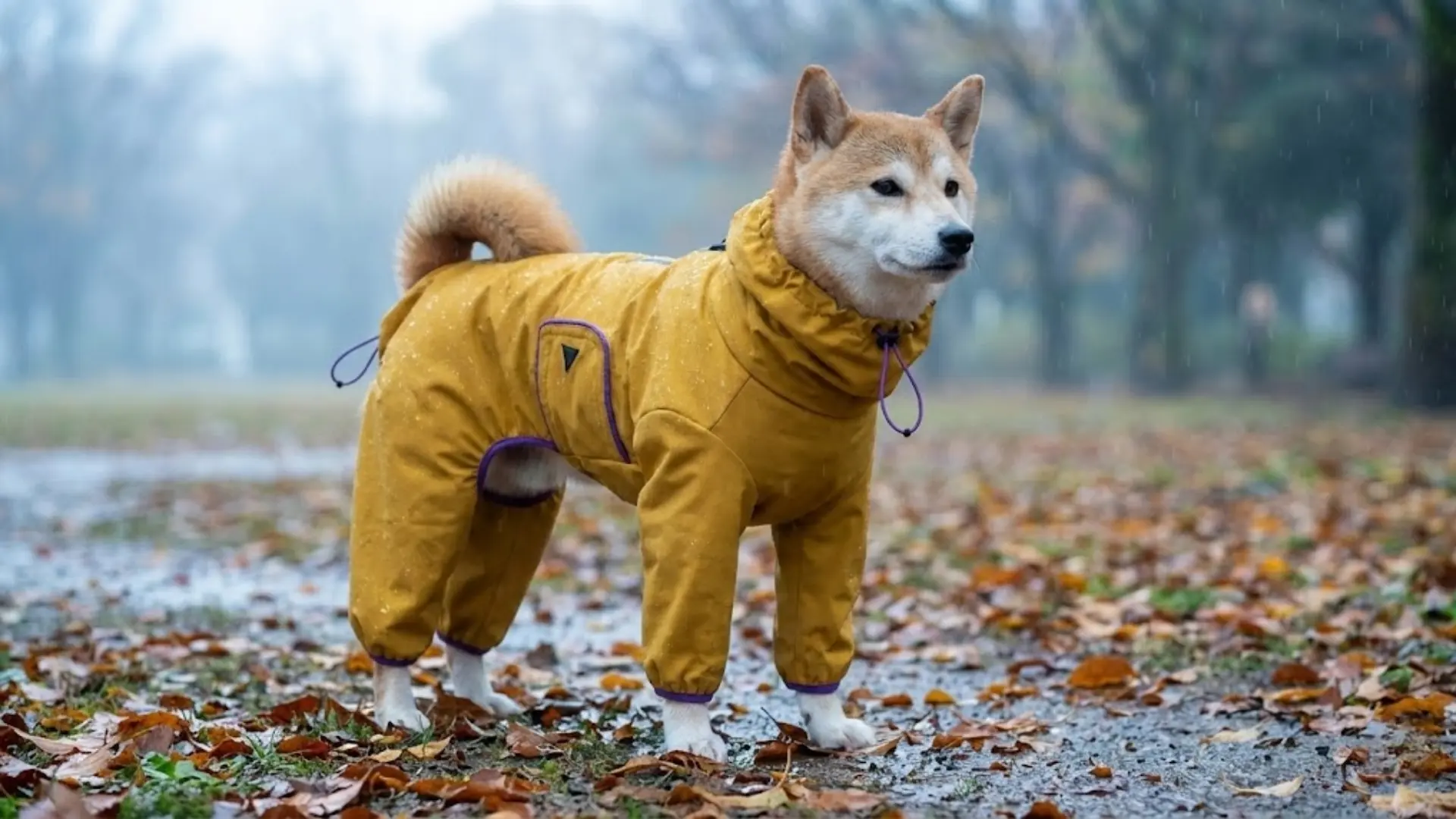
If your dog sleeps in exposed areas, like open campsites, a sleeping bag with a hood or higher neckline helps shield them from wind and rain. Choose a size that allows them to tuck their head inside without feeling claustrophobic. Ensure the bag’s length covers their entire body, including their tail, to prevent drafts from seeping in.
Key Measurements for Proper Fit
To determine the correct sleeping bag size, focus on these critical dimensions:
Body Length
Measure your dog from the base of their neck (where the collar sits) to the base of their tail. Add 2–4 inches to this measurement to account for movement and insulation. For example, a dog measuring 24 inches long would need a sleeping bag at least 26–28 inches long to stretch comfortably.
Shoulder Width
Wrap a measuring tape around the widest part of your dog’s shoulders, just behind their front legs. The sleeping bag’s width at the shoulder area should match or slightly exceed this measurement. This prevents the bag from feeling restrictive when your dog shifts positions or lies on their side.
Girth (Chest and Belly)
Measure the circumference of your dog’s chest at its widest point and their belly just in front of their hind legs. The sleeping bag should have enough room to accommodate these measurements without being too loose. A snug fit around the chest and belly helps retain body heat in cold weather.
Neck and Head Opening
If the sleeping bag has a dedicated neck or head area, ensure it’s large enough for your dog to move their head freely but not so loose that cold air enters. For breeds with thick necks, like Mastiffs, choose a bag with an adjustable or elasticized opening to prevent drafts.
Adjusting for Breed-Specific Needs
Different breeds have unique body shapes that affect how a sleeping bag fits. Consider these adjustments:
Deep-Chested Breeds
Breeds like Boxers or Dobermans have broad chests and narrow waists. Look for a sleeping bag with a contoured design that fits their chest without leaving excess fabric around their midsection. Adjustable straps or side zippers can help customize the fit.
Long-Bodied Breeds
Dachshunds or Basset Hounds need sleeping bags that accommodate their elongated torsos. Choose a style with extra length and a flexible shape to prevent the bag from riding up or leaving their lower back exposed.
Short-Legged Breeds
For breeds like Corgis or French Bulldogs, prioritize sleeping bags with lower side walls or shorter openings to ensure easy access. Avoid bags with high necklines that might feel restrictive for their short stature.
By aligning the sleeping bag’s size with your dog’s sleeping habits, outdoor conditions, and body shape, you can create a restful and safe environment for them. Always test the fit before extended trips by letting your dog sleep in the bag indoors to ensure they adjust comfortably. Adjust straps or layers as needed to balance warmth and mobility.