

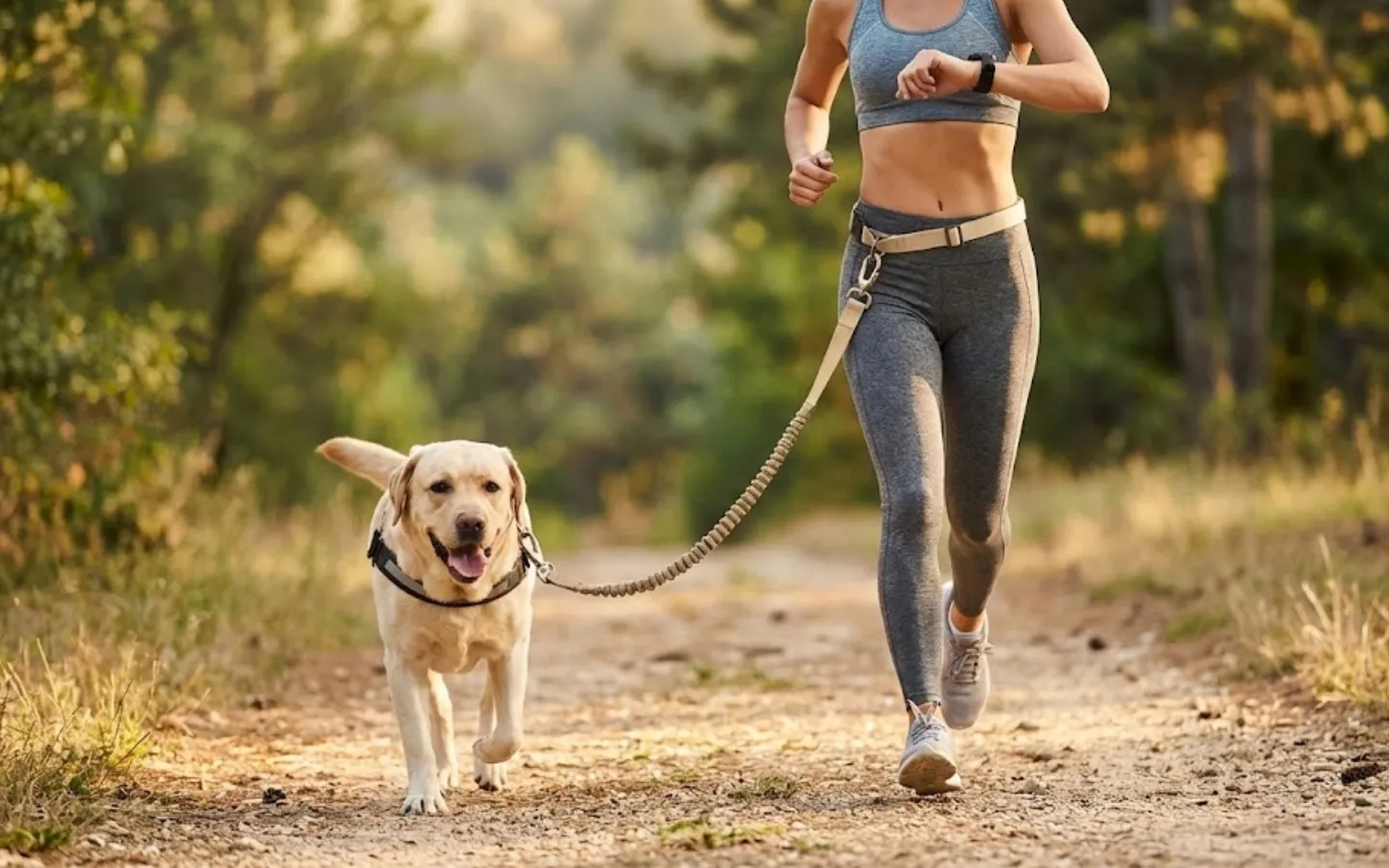
Selecting the Right Outdoor GPS Tracker Size Based on Your Dog’s Activity Range
Choosing an outdoor GPS tracker for your dog isn’t just about tracking their location—it’s also about ensuring the device fits their lifestyle and movement patterns. Dogs vary greatly in how far they roam, from backyard explorers to adventurous hikers, and each activity range demands a differently sized tracker. A poorly fitted device can cause discomfort, restrict movement, or even fall off during play. Below, we explore how to match tracker size to your dog’s typical activity range.
Small-Range Dogs: Backyard or Neighborhood Wanderers
Dogs who stick close to home, such as senior dogs, small breeds, or those with limited mobility, rarely venture beyond the backyard or a few neighboring streets. For these companions, compact, lightweight trackers are ideal. These devices sit comfortably on collars or harnesses without adding bulk, ensuring your dog stays relaxed during short walks or lounging sessions.
Look for trackers with a streamlined design and minimal protrusions. Avoid bulky attachments or heavy batteries, as these can irritate dogs with sensitive skin or short fur. A smaller size also reduces the risk of the tracker snagging on fences, bushes, or furniture. Opt for adjustable straps or clips that secure the device tightly without slipping.
Key considerations for small-range dogs:
- Lightweight Build: Devices under 1 ounce are less likely to weigh down your dog or cause neck strain.
- Low Profile: Flat, rounded edges prevent the tracker from digging into your dog’s skin during movement.
- Secure Attachment: Choose clips or straps that can be tightened to fit your dog’s collar or harness snugly.
Medium-Range Dogs: Park Visitors or Daily Walkers
Dogs who enjoy daily walks, trips to the park, or occasional off-leash play in open areas need a tracker that balances durability and comfort. These dogs may cover a few miles per day, so their device should stay secure during varied terrain—from grassy fields to paved paths.
A medium-sized tracker with a rugged yet flexible casing works best. These devices often feature reinforced edges to withstand bumps against rocks or trees while remaining comfortable enough for all-day wear. Look for water-resistant or waterproof designs, as medium-range dogs may splash through puddles or play near water.
Key considerations for medium-range dogs:
- Balanced Weight: Devices between 1–2 ounces provide stability without causing fatigue.
- Durable Casing: Shock-absorbent materials protect the tracker from accidental drops or impacts.
- Flexible Straps: Adjustable, stretchy bands accommodate collars of different widths and materials.
Large-Range Dogs: Hikers, Hunters, or Rural Explorers
Dogs bred for endurance, such as Huskies, Retrievers, or working breeds, often cover vast distances during hikes, hunting trips, or rural adventures. These dogs need a tracker that can keep up with their high activity levels without failing or becoming a hindrance.
For large-range dogs, prioritize robust, high-capacity trackers with extended battery life. These devices may be slightly larger to house longer-lasting batteries or advanced GPS modules, but they’re designed to stay secure during vigorous movement. Look for trackers with reinforced attachment points, such as metal clips or double-stitched straps, to prevent loss in rough terrain.
Key considerations for large-range dogs:
- Extended Battery: Devices lasting 3+ days on a single charge reduce the need for frequent recharging during multi-day trips.
- Reinforced Design: Durable housing protects the tracker from mud, rain, or accidental drops from heights.
- Secure Mounting: Choose trackers with locking mechanisms or anti-slip grips to stay attached during fast sprints or climbs.
Adapting to Your Dog’s Unique Habits
Even within these categories, every dog has quirks that influence tracker size needs. For example, a small-range dog who loves digging may require a tracker with a scratch-resistant casing, while a large-range dog who swims frequently needs a fully waterproof device. Observe your dog’s behavior during activities—do they jump frequently, rub against trees, or roll in the grass? These habits can help you anticipate wear and tear.
If your dog wears a collar and harness, test the tracker on both to see which feels more secure. Some dogs tolerate devices better on harnesses, as collars can pull uncomfortably during head-shaking. Additionally, consider your dog’s coat type: thick fur may hide smaller trackers, while short fur makes bulky devices more noticeable.
By tailoring the tracker’s size to your dog’s activity range and habits, you ensure they stay safe without sacrificing comfort. A well-fitted device becomes an invisible companion, letting your dog focus on exploring while you enjoy peace of mind. Whether your companion is a backyard lounger or a mountain trekker, the right size makes all the difference in outdoor adventures.