

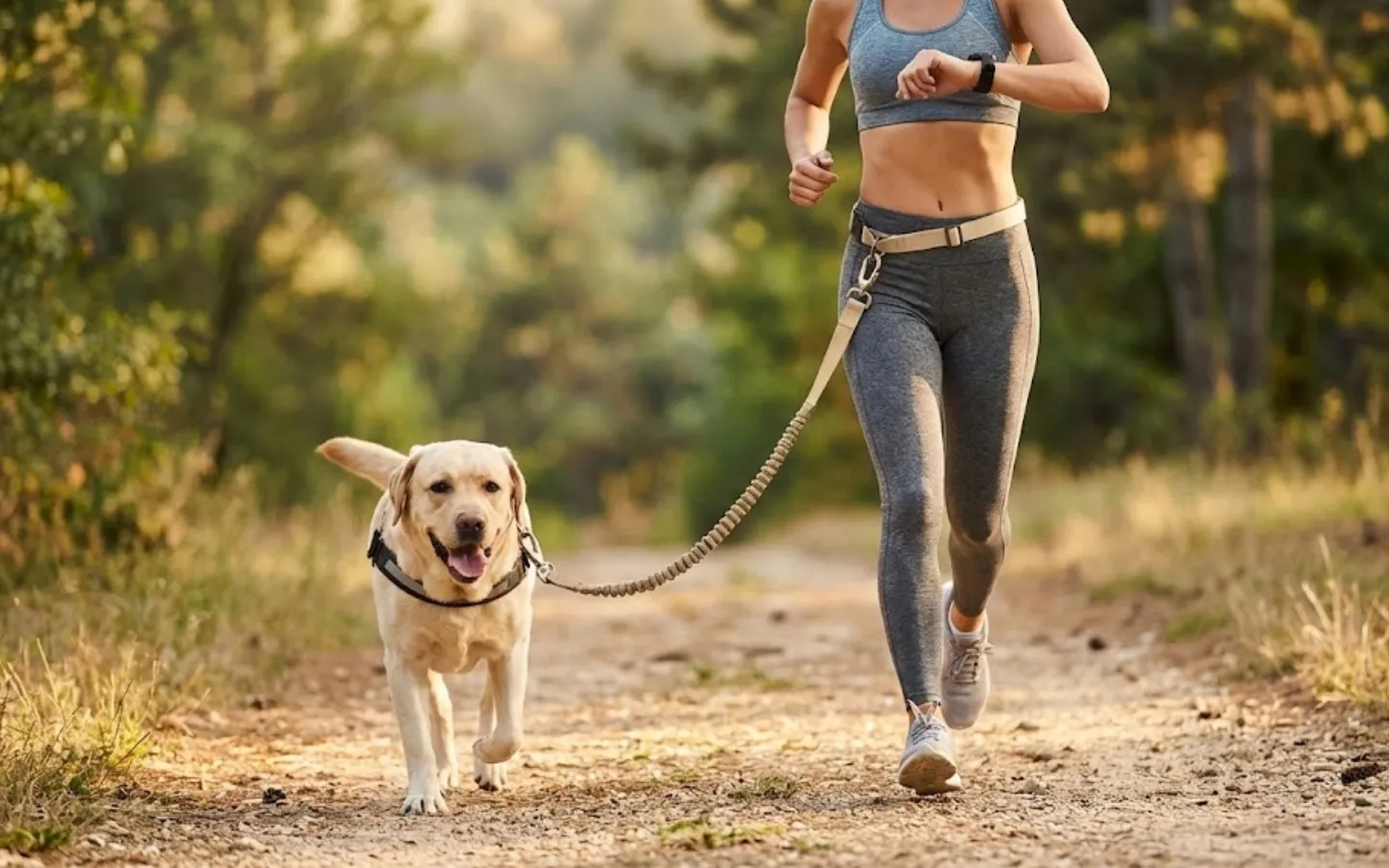
Choosing the Right Outdoor Leash Size Based on Your Dog’s Weight
Selecting the appropriate leash for your dog’s weight is crucial for their safety, comfort, and your control during walks. A leash that’s too light may snap under pressure, while one that’s too heavy could cause discomfort or restrict movement. Here’s how to match leash size to your dog’s weight effectively.
Understanding Weight Ranges and Leash Strength
Start by estimating your dog’s weight accurately. Small breeds, like Chihuahuas or Pomeranians, typically weigh under 20 pounds and require lightweight, flexible leashes. These leashes are easier for them to carry and less likely to overwhelm their small frames. For medium breeds, such as Beagles or Corgis (20–50 pounds), opt for a moderately sturdy leash that balances durability and comfort. Larger breeds, like Labradors or German Shepherds (50+ pounds), need heavy-duty leashes designed to withstand pulling and sudden movements.
Consider your dog’s activity level. Energetic dogs that pull or lunge may need a stronger leash than calm, well-trained pets. If your dog is still learning leash manners, choose a slightly heavier option for added control. Always prioritize materials that are both strong and gentle on your hands, like nylon or leather, which offer durability without sacrificing flexibility.
Matching Leash Width to Your Dog’s Size
Leash width plays a significant role in comfort and control. Small dogs do best with narrow leashes (¼ to ½ inch wide), which are lightweight and less cumbersome. Medium breeds thrive with leashes around ½ to ¾ inch wide, providing a balance of strength and ease of use. Large breeds require wider leashes (¾ to 1 inch or more) to distribute pressure evenly and prevent the leash from digging into their skin or your hands during pulls.
Test the leash’s grip by holding it briefly before purchasing. A leash that feels too thick or thin for your hand size can make walks uncomfortable. If you have arthritis or hand strength issues, prioritize ergonomic designs with padded handles, regardless of your dog’s weight.
Adjusting for Growth and Seasonal Changes
Puppies grow quickly, so choose a leash that accommodates their adult size to avoid frequent replacements. For example, a medium-width leash may work for a growing Labrador puppy until they reach full size. If you live in a region with extreme temperatures, consider how material expands or contracts. Nylon leashes, for instance, may become stiffer in cold weather, while leather ones soften with use but require more maintenance.
For dogs prone to weight fluctuations, like those on diets or aging pets, re-evaluate leash size periodically. A leash that fit perfectly six months ago might feel too loose or tight if your dog’s weight changes significantly. Regular checks ensure ongoing comfort and safety.
Considering Leash Length for Different Environments
Leash length impacts your ability to control your dog and their freedom to explore. Standard leashes (4–6 feet) work well for most walks, offering a balance of safety and mobility. For small dogs, a shorter leash (3–4 feet) prevents tangling and keeps them close in busy areas. Larger breeds may benefit from longer leashes (6–8 feet) in open spaces, allowing them to roam without pulling you off balance.
Retractable leashes are an option but require careful use. They’re best suited for calm dogs in wide-open areas, as the variable length can make it harder to react quickly in emergencies. Avoid retractable leashes for strong pullers or in crowded settings to prevent accidents.
Evaluating Leash Attachments and Hardware
The clip or snap hook connecting the leash to your dog’s collar or harness must match their weight and strength. Small dogs need lightweight, rust-resistant clips that glide smoothly over their collars. Medium and large breeds require heavy-duty swivel clips that rotate freely to prevent tangling and withstand pulling force.
Check the stitching where the clip attaches to the leash. Double stitching or reinforced seams add durability, especially for active dogs. If the clip feels flimsy or the stitching looks loose, choose a different leash—even if the width and length seem appropriate.
Testing Leash Flexibility and Handling
A leash’s flexibility affects how it feels during walks. Stiff leashes can jerk your arm or your dog’s neck during sudden stops, while overly flexible ones may tangle easily. Bend the leash in your hands to assess its give. For small dogs, a softer, more pliable leash reduces strain on their neck. Larger breeds need a leash with slight stiffness to maintain control without sacrificing comfort.
If you walk your dog in rainy or snowy conditions, prioritize water-resistant materials that dry quickly. Wet leashes can become heavy and slippery, increasing the risk of accidents.
Accounting for Multiple Dogs or Special Needs
If you walk multiple dogs, consider a leash with a coupler or splitter, which attaches to one handle but splits into two clips for each dog. Ensure the leash’s total strength supports the combined weight of your pets. For dogs with special needs, like those recovering from injuries or with mobility issues, opt for a leash with extra padding or adjustable lengths to accommodate their pace.
Dogs prone to escaping or sudden dashes may benefit from a leash with a secondary handle closer to the clip. This “traffic handle” lets you grab the leash midway for instant control in emergencies.
By aligning leash size with your dog’s weight, activity level, and environment, you’ll ensure walks are safe, comfortable, and enjoyable for both of you. Regularly inspect the leash for wear and tear, and replace it if fraying or damage occurs. A well-chosen leash is an investment in your dog’s well-being and your peace of mind.