

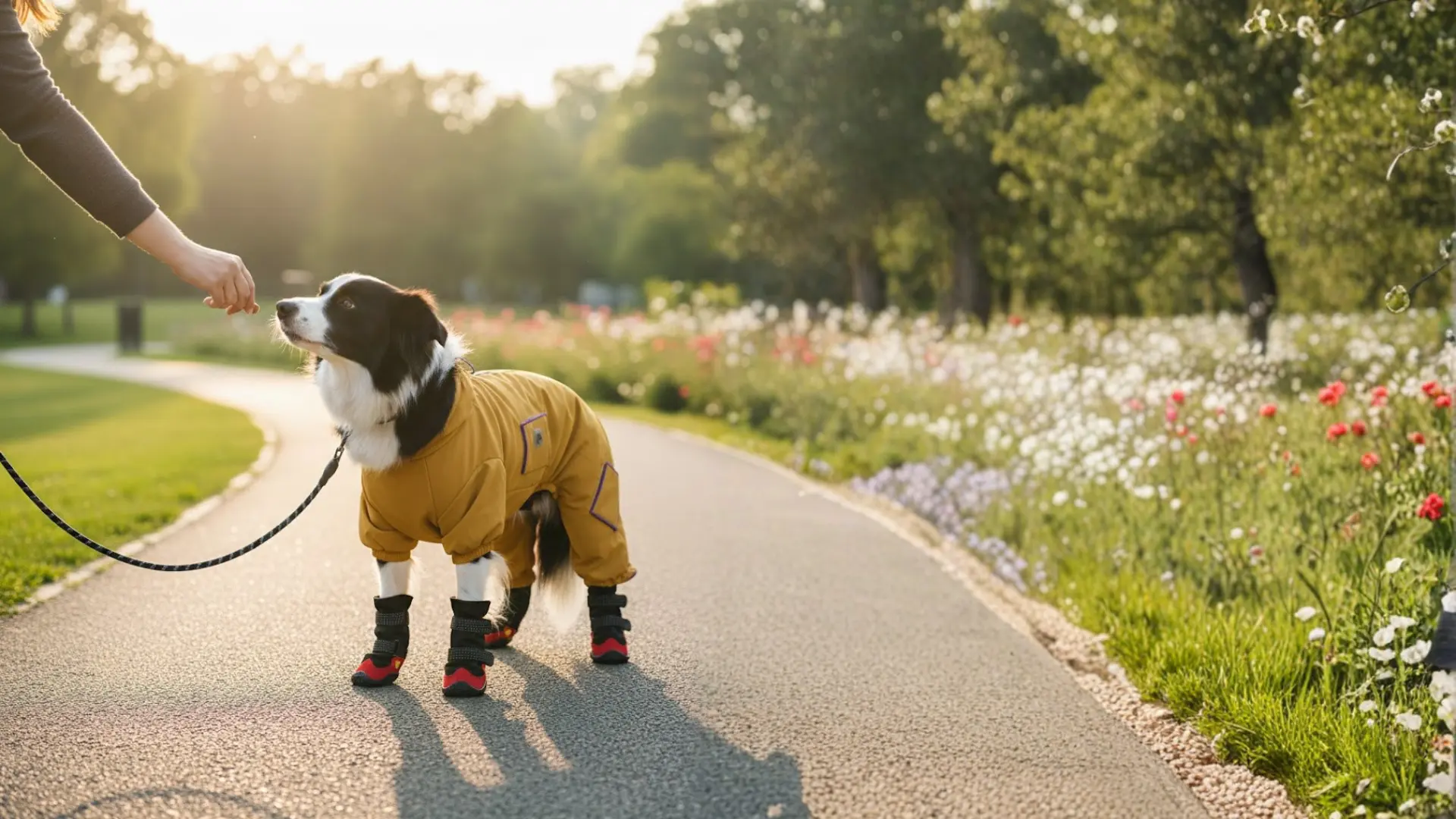
Choosing the Right Outdoor Shoe Size for Your Dog Based on Body Proportions
Selecting outdoor shoes for your dog isn’t just about picking a random size—it requires careful consideration of their body proportions, paw shape, and movement patterns. The right fit ensures comfort, prevents injuries, and supports natural mobility during walks, hikes, or play. Here’s how to match shoe size to your dog’s unique anatomy for safe and enjoyable adventures.
Understanding Your Dog’s Body Structure and Movement
Your dog’s breed, height, and weight distribution influence how their paws interact with the ground and how shoes should fit.
Long-Legged vs. Short-Legged Breeds
Dogs with longer legs, like Greyhounds or Afghan Hounds, have a higher stride length and place more pressure on their paws during movement. For these breeds, shoes should provide ample cushioning in the sole to absorb impact on rough terrain. The upper part of the shoe should fit snugly around the ankle without restricting flexibility, allowing for a full range of motion during sprints or jumps.
Short-legged breeds, such as Dachshunds or Corgis, have a lower center of gravity and a shorter stride. Their shoes need a wider base to support their unique gait and prevent slipping on uneven surfaces. Look for designs with non-slip soles and adjustable straps to accommodate their stockier build without rubbing against their legs.
Heavy vs. Lightweight Breeds
Larger, heavier breeds like Mastiffs or Saint Bernards exert more force on their paws, requiring shoes with durable, thick soles to distribute weight evenly. The shoes should have reinforced stitching and a secure closure system to stay in place during vigorous activity. For lightweight breeds like Chihuahuas or Italian Greyhounds, prioritize lightweight materials that won’t weigh them down or alter their natural movement.
Breeds with Unique Paw Shapes
Some breeds, such as Bulldogs or Pugs, have broader, flatter paws with short toes, while others, like Greyhounds, have elongated, arched paws. Measure your dog’s paws at their widest point and compare them to the shoe’s width to ensure a proper fit. For breeds with webbed feet, like Labradors, choose shoes with a flexible, water-resistant design that accommodates their natural paw spread during swimming or wet conditions.
Measuring Your Dog’s Paws Accurately
Proper sizing starts with precise measurements of your dog’s front and back paws, as they may differ slightly.
Front vs. Back Paw Differences
Many dogs have slightly larger front paws than back paws due to their weight distribution. Measure both sets of paws to determine if they need different sizes or if a universal fit works. Place your dog’s paw on a piece of paper, press down gently to mimic standing, and mark the widest and longest points. Measure these distances and compare them to the shoe’s sizing chart, leaving a small margin for comfort.
Accounting for Toe Spread
During movement, your dog’s toes spread apart to provide stability. Shoes that are too narrow restrict this natural action, leading to discomfort or blisters. Choose shoes with a rounded toe box that allows for toe movement. Test the fit by observing your dog walking—if their toes bunch up or the shoes slide off, they’re likely too tight or loose.
Growth and Seasonal Adjustments
Puppies or dogs in growth phases may need frequent resizing as their paws develop. For adult dogs, check the fit seasonally, as weight fluctuations or muscle changes from increased activity can affect paw size. If your dog spends time outdoors in cold weather, consider shoes with a slightly looser fit to accommodate thickening paw pads or winter booties with extra insulation.
Ensuring Comfort and Functionality During Wear
A well-fitted shoe supports your dog’s mobility while protecting their paws from hazards like hot pavement, sharp rocks, or ice.
Proper Strap Placement
Adjustable straps or Velcro closures help secure the shoes without cutting into your dog’s skin. Place straps above the ankle bone for stability, ensuring they’re tight enough to stay on but loose enough to slide two fingers underneath. For dogs with sensitive skin, look for shoes with soft, padded straps to prevent chafing during long walks.
Sole Flexibility and Traction
The shoe’s sole should bend naturally with your dog’s paw to maintain agility. Test the sole’s flexibility by gently pressing it—it should give slightly without folding completely. Non-slip soles with grooves or treads provide better grip on slippery surfaces like mud or wet grass, reducing the risk of slips or strains.
Breathability and Material Choice
Dogs regulate body temperature through their paws, so choose shoes made from breathable materials like mesh or lightweight fabric to prevent overheating. Avoid synthetic materials that trap moisture, as they can lead to bacterial growth or irritation. For hot climates, prioritize shoes with ventilated designs to keep paws cool during extended outdoor time.
Testing the Fit Before Extended Use
Introduce shoes gradually to ensure your dog adapts comfortably and the fit remains secure during activity.
Short Indoor Trials
Let your dog wear the shoes indoors for 10–15 minutes at a time, observing their behavior. If they lift their paws, chew at the shoes, or walk awkwardly, the fit may need adjustment. Gradually increase wear time to help them get used to the sensation of having shoes on their paws.
Monitoring for Rubbing or Irritation
Check your dog’s paws after each wear session for signs of redness, blisters, or hair loss. Pay attention to areas where the shoe rubs against the skin, such as the ankle or between the toes. If irritation occurs, loosen the straps or switch to a shoe with a smoother interior lining.
Adjusting for Different Terrains
Test the shoes on various surfaces, such as grass, gravel, or concrete, to ensure they stay in place and provide adequate support. If the shoes shift or slide during movement, tighten the straps or consider a different style with better traction. For hiking or rugged trails, choose shoes with reinforced toe caps to protect against rocks or debris.
By aligning shoe size with your dog’s body proportions, paw shape, and movement needs, you can enhance their outdoor experience while keeping their paws safe and comfortable. Always supervise initial use to confirm the shoes function as intended and make adjustments as needed for optimal performance.