

Choosing the Right Outdoor Dog Collar Colors Based on Breed Characteristics
When selecting outdoor collars for dogs, color choice goes beyond aesthetics—it can enhance visibility, safety, and even align with breed-specific traits. Understanding how different breeds interact with their environment and their unique color perception capabilities helps owners make informed decisions. Below are practical considerations for matching collar colors to breed characteristics.
Breeds with High Energy and Agility
Active breeds like Border Collies, Australian Shepherds, and Jack Russell Terriers thrive in outdoor settings where they chase, jump, and navigate uneven terrain. For these dogs, bright yellow or neon orange collars offer dual benefits. Studies on canine vision reveal that dogs perceive yellow as a highly distinct color, making it easier for owners to spot their pets during high-speed play or in dense foliage. Neon orange, while not as vivid to dogs as yellow, stands out against natural backgrounds like grass or dirt, improving visibility during dawn or dusk activities. These colors also align with safety standards for hunting dogs, where high-contrast gear reduces the risk of accidental injury in wilderness areas.
Owners of agile breeds should avoid dark colors like black or deep blue, which blend into shadows and low-light conditions. A yellow collar on a Border Collie herding sheep, for example, ensures the dog remains visible to both the handler and livestock, preventing collisions. Similarly, a neon orange collar on a Jack Russell Terrier exploring rocky trails helps hikers or cyclists notice the dog from a distance, reducing the chance of startling interactions.
Breeds with Thick Coats or Light-Colored Fur
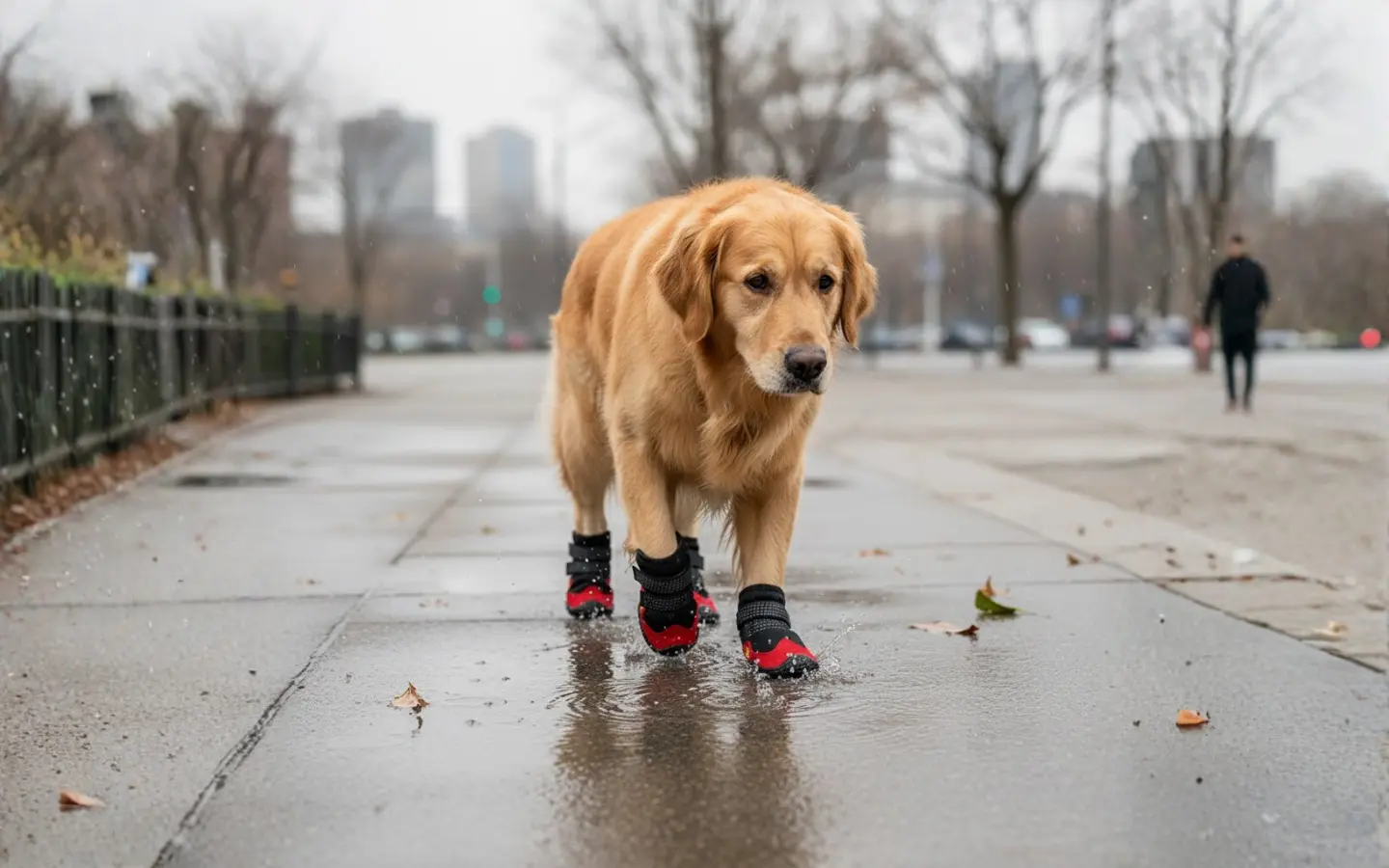
Breeds with dense double coats, such as Siberian Huskies, Samoyeds, and Newfoundlands, or light-furred dogs like Golden Retrievers and West Highland White Terriers, face unique challenges in outdoor environments. Dark collars on light-furred dogs can cause visible staining from dirt, saliva, or oils, requiring frequent cleaning. For these breeds, light blue or pastel green collars offer a practical solution. Light blue complements white or cream fur without showing stains as prominently, while pastel green provides a subtle contrast that doesn’t clash with darker undercoats.
Thick-coated breeds also benefit from collars in colors that reflect sunlight, reducing heat absorption during summer hikes. A light blue collar on a Samoyed, for instance, keeps the dog cooler than a black or red alternative. Additionally, pastel shades like mint green or sky blue align with the “dopamine aesthetic” trend in outdoor gear, which prioritizes mood-boosting hues. These colors create a cheerful appearance that enhances the dog’s presence in parks or beach settings, making them easily recognizable to other pet owners.
Breeds Prone to Anxiety or Reactivity
Dogs with anxious temperaments, such as Chihuahuas, Greyhounds, or rescue breeds with unknown histories, often require calming visual cues in stressful environments. Soft lavender or pale blue collars leverage color psychology to promote relaxation. Research on canine behavior indicates that blue tones have a soothing effect, reducing anxiety during vet visits, thunderstorms, or crowded outdoor events. Lavender, a blend of blue and red, offers a gentle contrast that doesn’t overstimulate sensitive dogs, unlike bright primary colors.
For reactive breeds like German Shepherds or Doberman Pinschers, which may become overexcited around other animals or people, muted earth tones like sage green or tan provide a neutral appearance. These colors avoid drawing excessive attention, helping the dog blend into natural surroundings during walks. A sage green collar on a German Shepherd, for example, reduces the likelihood of strangers approaching the dog out of curiosity, giving the owner more control over social interactions. Earth tones also resist showing wear and tear, making them ideal for dogs that scratch or chew their collars when stressed.
Breeds Used for Working or Service Roles
Working breeds like Labrador Retrievers, Belgian Malinois, and Bernese Mountain Dogs often wear collars that serve functional purposes beyond identification. For search-and-rescue dogs, high-visibility orange or reflective silver collars are essential. Orange collars, when paired with reflective strips, ensure the dog remains visible during nighttime operations or in snowy landscapes. Silver reflective collars, which bounce light from headlamps or vehicle headlights, are critical for avalanche rescue teams or dogs assisting in disaster zones.
Service dogs, such as those trained to guide individuals with disabilities or detect medical emergencies, benefit from professional-looking colors like navy blue or charcoal gray. These hues convey a sense of seriousness and reliability, aligning with the dog’s role. Navy blue collars, for instance, are less likely to fade than lighter shades, maintaining a polished appearance over time. Charcoal gray offers a subtle alternative that doesn’t distract from the dog’s focus during tasks, ensuring they remain attentive to their handler’s needs.
Seasonal and Environmental Adaptations
Outdoor collars should also account for seasonal changes and environmental factors. In snowy regions, bright red or fluorescent pink collars provide stark contrast against white backgrounds, making it easier to locate a lost dog. During autumn, when fallen leaves create a mosaic of brown and orange hues, a teal or emerald green collar stands out amidst the foliage. For coastal breeds like Portuguese Water Dogs or Beach Retrievers, coral or aqua collars mirror the ocean’s colors, creating a cohesive look that suits seaside adventures.
In urban environments, where dogs navigate busy streets and crowded sidewalks, neon green or electric blue collars enhance visibility to drivers and cyclists. These colors are more noticeable than traditional brown or black, reducing the risk of accidents. Additionally, dogs that frequently swim or play in muddy areas benefit from quick-drying, stain-resistant colors like light gray or beige, which hide dirt and dry faster than darker alternatives.
By considering breed-specific traits, environmental factors, and color psychology, owners can select outdoor collars that prioritize safety, comfort, and style. Whether it’s a high-energy Border Collie needing a yellow collar for herding or an anxious Chihuahua benefiting from a lavender calming collar, the right color choice enhances the dog’s outdoor experience while reflecting their unique personality.