

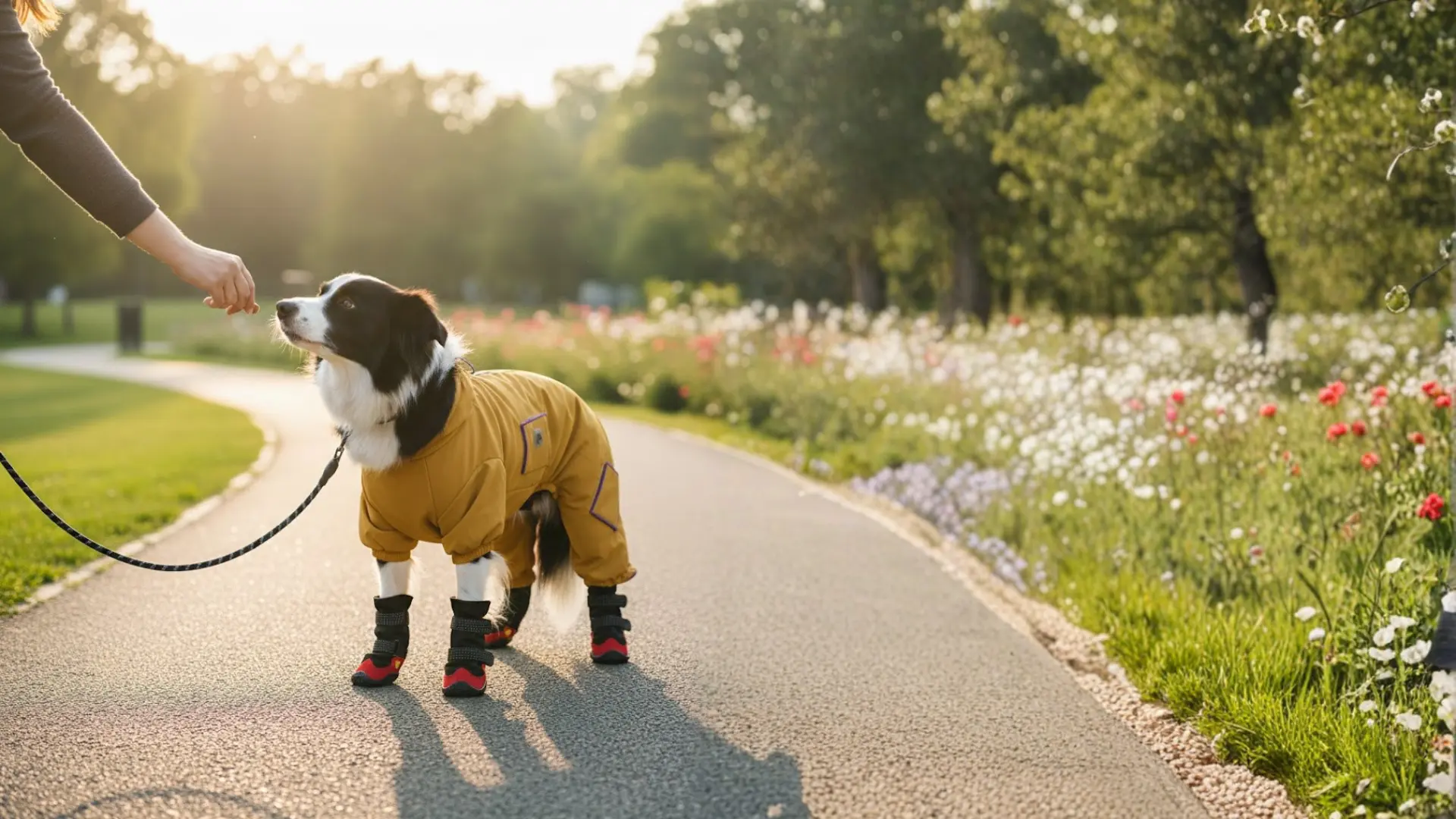
Choosing Outdoor Dog Clothing Colors Based on Coat Shade
Selecting outdoor clothing for your dog isn’t just about style—it’s about practicality, safety, and enhancing their natural features. One often overlooked factor is how a dog’s coat color interacts with the clothing they wear. The right color combination can improve visibility in low-light conditions, reduce heat absorption, or simply make your dog look their best during hikes, camping trips, or casual walks. Below, we explore how to match outdoor clothing colors to your dog’s coat shade for both function and flair.
Light-Colored Coats: Enhancing Visibility and Coolness
Dogs with light-colored coats, such as white, cream, or pale gold, have unique advantages and challenges when it comes to outdoor clothing. Light fur reflects sunlight, which can help keep them cool in warm weather, but it also makes them harder to spot in natural environments like forests or snowy landscapes. Choosing clothing colors that contrast with their coat can address this issue while maintaining comfort.
Bright and Bold Hues for Safety
For light-coated dogs, bright colors like neon green, orange, or pink are excellent choices for outdoor activities. These shades stand out against pale fur, making your dog easier to locate in dense foliage or during dusk. For example, a white Samoyed hiking through a wooded area would benefit from a neon orange vest, as the vibrant color contrasts sharply with their snowy coat. Similarly, a cream-colored Golden Retriever wearing a hot pink jacket would be highly visible during a winter walk.
Bright colors also serve a safety purpose in urban settings. If your dog tends to wander or gets excited around crowds, a neon-colored outfit can help you keep track of them more easily. Additionally, these hues often reflect more light, reducing heat absorption compared to darker shades, which is beneficial for light-coated dogs prone to overheating.
Neutral Tones for Subtle Style
While bright colors excel in visibility, neutral tones like light gray, beige, or soft blue can offer a more understated look for light-coated dogs. These colors complement pale fur without overpowering it, creating a cohesive appearance. A white Bichon Frise wearing a light gray sweater, for instance, maintains a classic, elegant look suitable for casual outings.
Neutral-colored clothing also works well in environments where bright colors might clash, such as beachside walks or urban parks. These shades blend harmoniously with natural surroundings while still providing a touch of style. For dogs with sensitive skin, neutral tones are often made from softer, more breathable fabrics, ensuring comfort during extended wear.
Dark-Colored Coats: Managing Heat and Creating Contrast
Dogs with dark coats, such as black, deep brown, or charcoal gray, face different challenges in the outdoors. Dark fur absorbs more heat from sunlight, which can lead to overheating in warm climates. Additionally, dark coats can blend into shadows, making dogs harder to see in low-light conditions. Selecting clothing colors that mitigate these issues while adding visual interest is key.
Light and Reflective Shades for Heat Relief
To counteract heat absorption, light-colored clothing like white, pastel yellow, or mint green is ideal for dark-coated dogs. These shades reflect sunlight, helping to keep your dog cooler during hot hikes or sunny days at the park. For example, a black Labrador wearing a white T-shirt would stay noticeably cooler than if they were unclothed, as the light fabric reduces heat retention.
Reflective elements, such as strips or accents, are another valuable feature for dark-coated dogs. These materials bounce light back, improving visibility during dawn, dusk, or nighttime walks. A charcoal-gray German Shepherd with reflective piping on their jacket would be easily seen by drivers or other pedestrians, enhancing safety in low-light environments.
Earthy Tones for Natural Blending
While light colors are practical for heat management, earthy tones like olive green, rust brown, or deep forest green can create a striking contrast against dark fur. These shades mimic natural surroundings, making your dog look like a seamless part of the landscape during hikes or camping trips. A black Rottweiler wearing an olive-green vest, for instance, would stand out against autumn foliage while maintaining a rugged, outdoorsy aesthetic.
Earthy tones also work well for dogs who participate in hunting or tracking activities, as they help the dog blend into wooded or grassy areas without disappearing entirely. This balance of visibility and camouflage can be particularly useful in specific outdoor scenarios.
Multi-Colored or Patterned Coats: Embracing Complexity
Some dogs have coats with multiple colors or patterns, such as merle, brindle, or piebald. These unique fur designs add character but can make clothing color selection more challenging. The goal is to choose shades that complement the existing patterns without clashing or overwhelming the dog’s natural appearance.
Solid Colors That Highlight Patterns
For multi-colored dogs, solid-colored clothing in neutral or muted tones can accentuate their coat’s intricate patterns. For example, a merle Australian Shepherd with a mix of blue, gray, and white fur would look sharp in a solid navy blue jacket, as the dark shade contrasts with the lighter patches without distracting from the merle pattern. Similarly, a brindle Boxer wearing a soft taupe sweater would allow their striped coat to remain the focal point.
Solid colors also work well for dogs with piebald coats, which feature large patches of white and another color. A piebald Dalmatian, for instance, could wear a solid red jacket to highlight their black spots while adding a pop of color. The key is to avoid clothing that mirrors or duplicates the dog’s coat patterns, as this can create a busy, confusing look.
Complementary or Analogous Color Schemes
Another approach is to use color theory principles to select clothing that harmonizes with your dog’s coat. Complementary colors, which sit opposite each other on the color wheel, can create a vibrant, eye-catching effect. For example, a dog with a red and white coat might wear a green jacket, as green and red are complementary shades.
Analogous colors, which are adjacent on the color wheel, offer a more subtle, cohesive look. A dog with a blue and gray merle coat could wear a teal jacket, as teal sits between blue and green on the color wheel, creating a smooth transition between the coat and clothing. This method ensures the outfit enhances the dog’s natural beauty without overwhelming it.
Practical Considerations Beyond Aesthetics
While color selection is important, functionality should never be overlooked. Outdoor clothing for dogs must prioritize comfort, durability, and safety regardless of coat shade. Look for fabrics that are breathable, moisture-wicking, and flexible to ensure your dog can move freely during activities. Reinforced stitching and secure closures, like Velcro or buckles, prevent the clothing from shifting or falling off mid-adventure.
Additionally, consider the weather conditions when choosing colors. Light-colored clothing reflects heat but may show dirt more easily, while dark-colored outfits hide stains but absorb more warmth. For rainy or muddy environments, darker shades might be more practical, as they won’t appear dirty as quickly. In snowy settings, bright colors remain the best choice for visibility.
By aligning clothing colors with your dog’s coat shade and considering practical factors, you can create outfits that are both functional and stylish. Whether your dog has a light, dark, or multi-colored coat, the right color combination will enhance their appearance, improve safety, and ensure they stay comfortable during every outdoor excursion.