

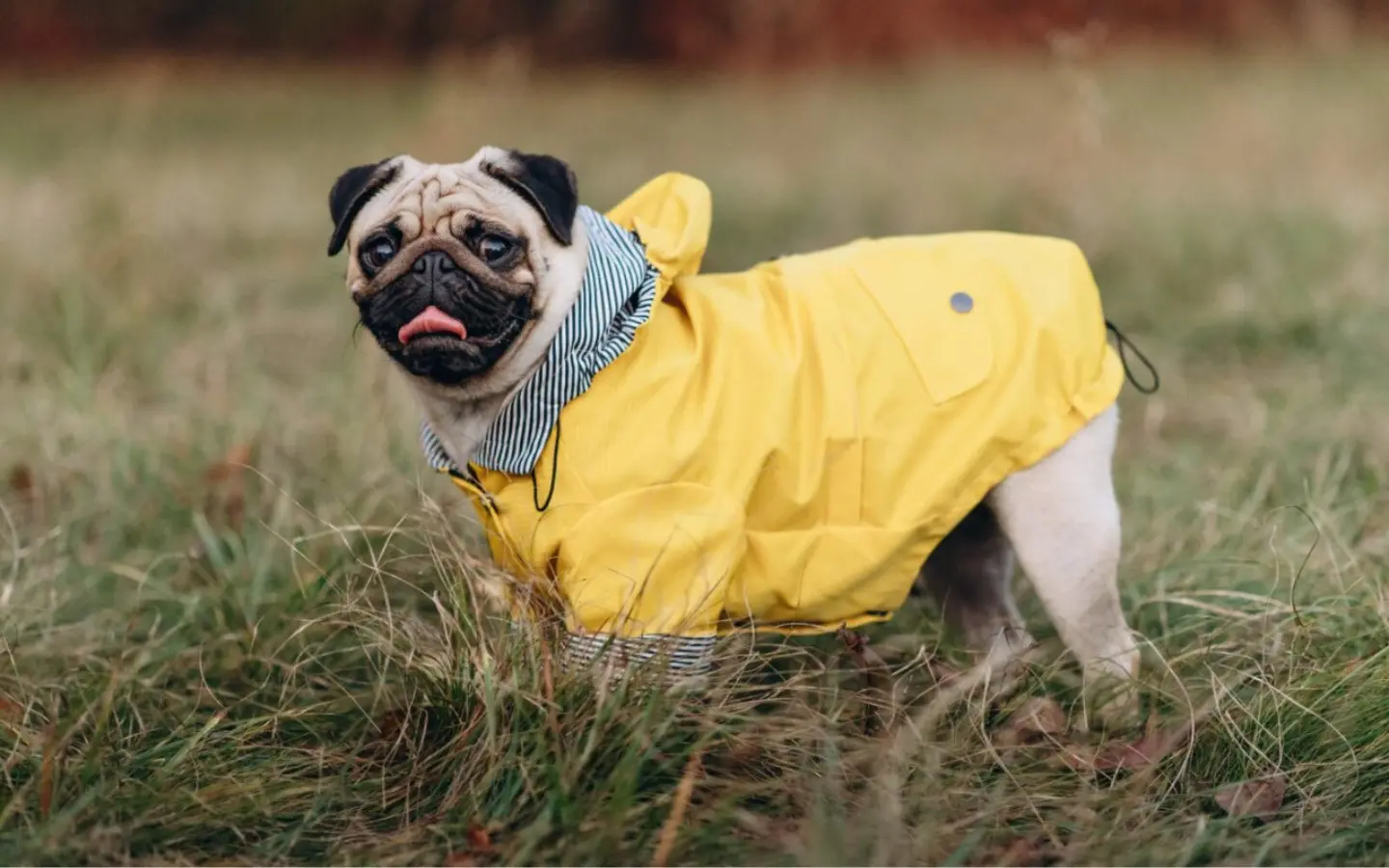
Selecting the Right Raincoat Size for Your Dog Based on Weight: A Comprehensive Approach
Choosing a raincoat that fits your dog properly involves more than just guessing—weight is a critical factor that influences sizing across breeds and body types. While weight alone isn’t the only measurement to consider, it provides a foundational guideline for narrowing down options, especially when combined with other physical attributes. Here’s how to use your dog’s weight to ensure a comfortable, functional fit that keeps them dry and mobile.
Why Weight Matters in Raincoat Sizing
Weight correlates with a dog’s overall body mass, which affects how a raincoat drapes, secures, and stays in place during movement. Unlike height or length, which vary significantly between breeds, weight offers a universal starting point for sizing charts, particularly for standardized categories like small, medium, or large.
- Body Proportion Insights: Dogs with similar weights often share comparable chest girths or torso widths, even if their heights differ. For example, a stocky Beagle and a slender Whippet might weigh the same but require different raincoat styles due to body shape.
- Weight Fluctuations: Puppies, pregnant dogs, or senior pets may experience weight changes that affect fit. Regularly reassessing sizing ensures the raincoat remains snug without being restrictive.
- Activity Level Considerations: Active dogs might need raincoats with more stretch or adjustable features to accommodate muscle movement, while less active pets may prioritize lightweight, breathable materials. Weight helps gauge these needs.
How to Use Weight as a Primary Sizing Guide
Most raincoat manufacturers provide weight ranges for their sizes (e.g., “Small: 10–20 lbs”). Start here, but refine your choice by cross-referencing other measurements and your dog’s unique traits.
- Check the Manufacturer’s Weight Chart: Begin by locating the sizing guide on the product page or packaging. Note that ranges can vary between brands—a “Medium” for one company might align with a “Large” for another.
- Account for Breed-Specific Builds: Breeds like Bulldogs or Pugs have broader chests relative to their weight, while Greyhounds or Salukis are leaner. Adjust your size selection based on whether your dog’s build leans toward “stocky” or “slender.”
- Consider Growth Stages: For puppies, choose a size at the higher end of the weight range to accommodate growth. Avoid oversized options that could drag or tangle, opting instead for adjustable straps or room to layer.
Combining Weight With Other Critical Measurements
Weight works best when paired with chest girth, back length, and neck circumference. These dimensions ensure the raincoat fits securely without restricting breathing or movement.
- Chest Girth: Measure the widest part of your dog’s chest, just behind the front legs. A snug but not tight fit here prevents the raincoat from shifting during walks. Compare this to the product’s stated girth range.
- Back Length: From the base of the neck to the base of the tail, this measurement determines coverage. A raincoat that’s too short may leave the lower back exposed, while one that’s too long can drag on the ground.
- Neck Circumference: For styles with neck closures, measure around the thickest part of the neck. Ensure the opening is large enough to slip on comfortably but not so loose that it slips over the head.
Adjusting Fit for Different Raincoat Styles
Raincoats come in various designs, such as ponchos, full-body suits, or sleeveless jackets. Each style interacts differently with your dog’s weight and body shape, so test fit and mobility before finalizing your choice.
- Poncho-Style Raincoats: These drape over the back and may not require precise chest or neck measurements. However, ensure the weight range aligns with your dog’s size to prevent the fabric from sagging or flapping.
- Full-Body Suits With Leg Holes: For coats that cover the chest and legs, prioritize chest girth and weight to avoid pinching or chafing. Leg holes should align with your dog’s natural stance without restricting stride.
- Lightweight Jackets: If your dog dislikes heavy fabrics, opt for a raincoat labeled “lightweight” or “breathable.” Check the weight range to ensure it’s suitable for their size without adding bulk.
Testing the Fit Before Regular Use
Even with accurate measurements, every dog’s body is unique. Test the raincoat in a dry, calm environment to assess comfort, coverage, and ease of movement.
- Observe Mobility: Have your dog walk, sit, and lie down to ensure the raincoat doesn’t bunch, ride up, or limit range of motion. Pay attention to areas around the armpits and groin.
- Check for Gaps: Look for spaces where water could seep in, such as between the coat and legs or around the neck. Adjust straps or layers if needed to create a seal against the elements.
- Monitor Behavior: A well-fitted raincoat shouldn’t cause your dog to chew, scratch, or shake excessively. If they seem irritated, recheck the measurements or try a different style.
When to Reassess Size Due to Weight Changes
Dogs may gain or lose weight due to diet, exercise, or health conditions. Regularly re-measure to ensure the raincoat continues to fit properly and functions as intended.
- Seasonal Adjustments: In winter, a thicker undercoat might require loosening straps, while a summer trim could mean tightening them. Weight changes during these seasons can affect how the raincoat sits.
- After Diet or Exercise Changes: If your dog loses or gains a significant amount of weight, re-measure their chest girth, back length, and neck circumference to determine if a new size is needed.
- Age-Related Shifts: Senior dogs may lose muscle mass, while puppies grow rapidly. Adjust sizing accordingly to maintain comfort and protection.
By using weight as a foundational guide and combining it with other physical measurements, you can select a raincoat that keeps your dog dry, comfortable, and happy in any weather. Always prioritize fit over aesthetics, and remain flexible as your dog’s needs evolve over time.