

Choosing Raincoat Colors That Complement Your Dog’s Coat
Selecting a raincoat color that harmonizes with your dog’s fur can enhance their appearance while ensuring visibility and practicality during walks. The right hue can highlight their natural features, improve safety in low-light conditions, or simply reflect your personal style. Understanding how different colors interact with various coat types helps owners make informed choices that balance aesthetics and function.
1. Light-Colored Coats: Enhancing Brightness With Bold or Contrasting Shades
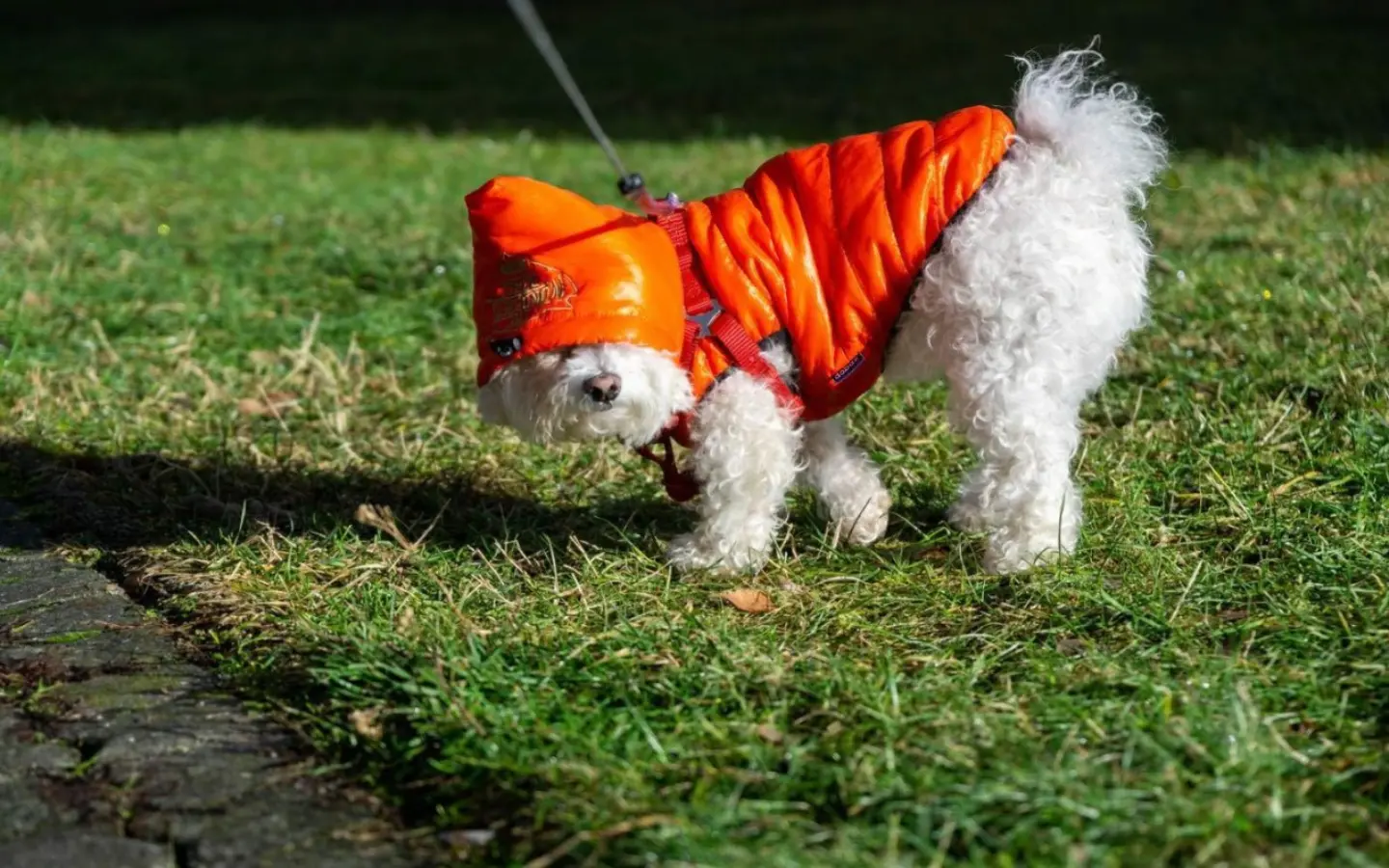
Dogs with white, cream, or pale fur—such as Malteses, Samoyeds, or West Highland White Terriers—risk looking washed out in muted or overly dark raincoats. Light-colored coats also show dirt easily, so choosing a raincoat that either camouflages grime or stands out against it is key. Bright shades like red, royal blue, or emerald green create striking contrasts, making the dog more visible during rainy or foggy outings.
For a subtler approach, opt for pastel tones like lavender, soft pink, or mint green, which add a touch of color without overwhelming the dog’s natural hue. Metallic accents, such as reflective strips or silver hardware, can also elevate the look while improving safety. Avoid beige or off-white raincoats, as they may blend with the fur and fail to highlight the dog’s silhouette.
2. Dark-Colored Coats: Adding Depth With Vibrant or Neutral Tones
Breeds with black, chocolate, or deep brown fur—like Labradors, Rottweilers, or Dobermans—benefit from raincoat colors that break up their solid appearance. Bright neon shades such as fluorescent yellow, orange, or lime green create high visibility, which is especially useful for evening walks or busy streets. These colors also add energy to the dog’s overall look, making them stand out in gray weather.
For a more polished style, rich jewel tones like sapphire blue, ruby red, or forest green complement dark fur by adding depth and sophistication. Neutral options like gray, charcoal, or taupe can also work well, provided they feature reflective details to ensure safety. Steer clear of black or very dark raincoats, as they may blend into the dog’s coat and reduce visibility in low light.
3. Multi-Colored or Patterned Coats: Coordinating With Dominant Hues
Dogs with brindle, merle, or piebald coats—such as Australian Shepherds, Boxers, or Bernese Mountain Dogs—have unique patterns that offer creative opportunities for raincoat color selection. Identify the dominant color in their fur and choose a raincoat that either matches or contrasts it thoughtfully. For example, a brindle dog with streaks of brown and black might look sharp in a rust-orange raincoat that ties into the warmer tones.
For merle or patterned coats, solid-colored raincoats in shades like teal, plum, or mustard can unify the look without competing with the fur’s complexity. Alternatively, a raincoat with subtle patterns, such as stripes or polka dots, can echo the dog’s markings in a playful way. Ensure the chosen color doesn’t clash with the dog’s eye color or facial features, as this can create visual disharmony.
Practical Considerations for All Coat Types
Visibility should always be a priority, especially for dogs that walk near roads or in dim lighting. Reflective strips, piping, or patches on the raincoat improve safety without sacrificing style. Additionally, consider the raincoat’s material: darker colors may absorb more heat in sunny weather, while lighter shades could show stains faster. Test the color in natural light to see how it interacts with your dog’s fur before making a final decision.
By aligning the raincoat’s color with your dog’s coat type, you can create a cohesive and visually appealing look that enhances their presence. Whether aiming for bold contrast, subtle harmony, or practical safety, the right color choice ensures your dog stays dry, visible, and stylish in any weather.