

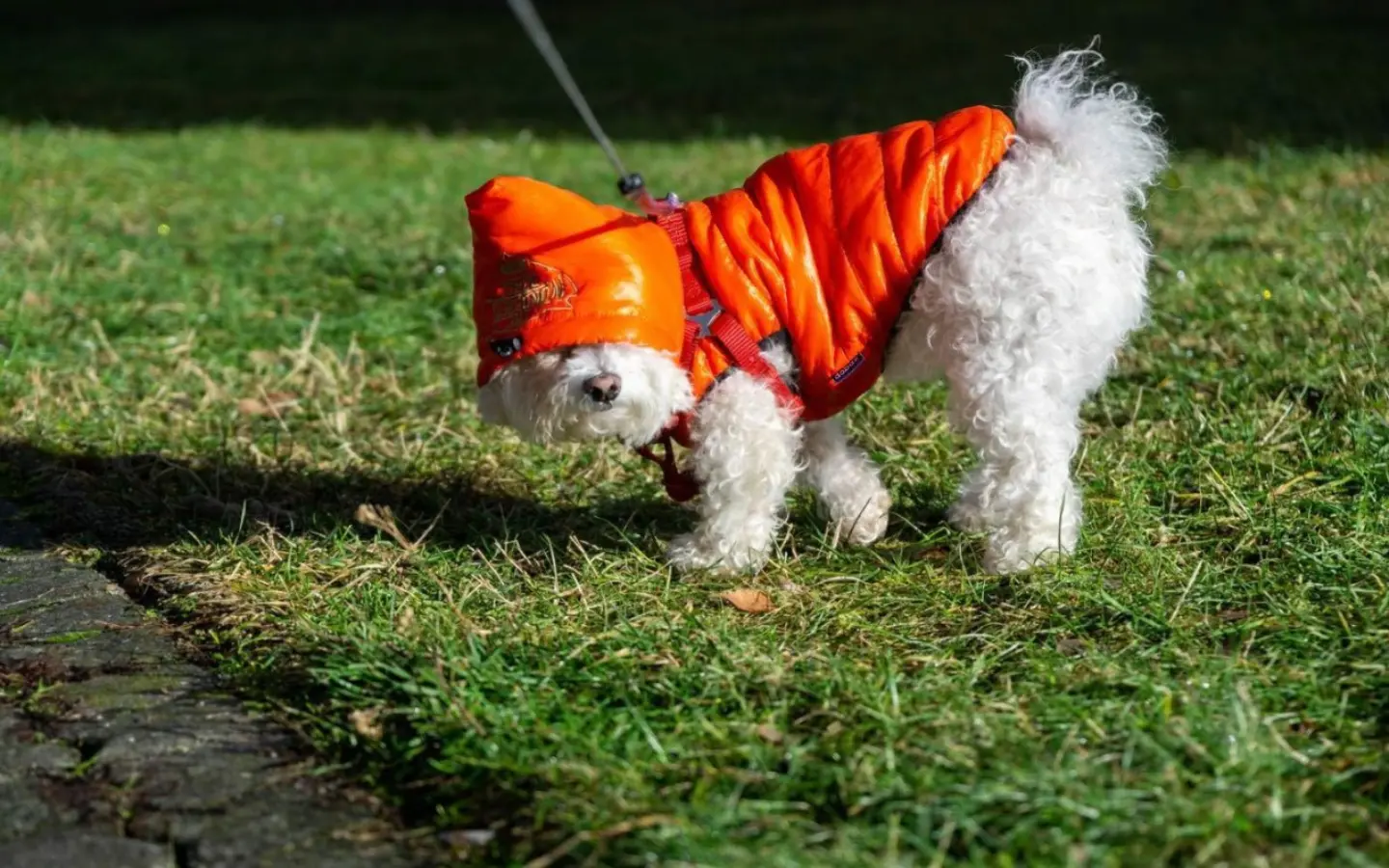
Choosing Raincoat Colors for White-Furred Dogs That Resist Showing Dirt
White-furred dogs are beloved for their bright, clean appearance, but their coats can quickly show dirt, mud, or stains after outdoor adventures. Selecting a raincoat color that minimizes visible grime is essential for maintaining their pristine look while keeping them dry. By focusing on shades that camouflage dirt or complement their fur, owners can strike a balance between practicality and style without frequent cleaning.
Darker Neutrals: Masking Dirt With Subtle Contrast
Darker neutral tones like charcoal gray, deep olive, or chocolate brown are excellent choices for white-furred dogs, as they naturally conceal dirt and mud. These colors create a subtle contrast against white fur, making minor stains less noticeable compared to lighter shades. For example, a charcoal raincoat will hide paw prints or dust better than a white or beige one, reducing the need for immediate cleaning after walks.
When selecting darker neutrals, avoid pure black, which can absorb too much heat in sunny weather and make the dog uncomfortable. Instead, opt for shades with slight variations, such as slate gray or espresso brown, which add depth without overpowering the dog’s natural coat. These colors also work well in urban environments, where dirt from streets or parks is common, ensuring the dog stays presentable during daily outings.
Earth Tones: Blending With Natural Outdoor Elements
Earth tones like rusty orange, mustard yellow, or forest green are inspired by natural landscapes and can effectively hide dirt from trails, grass, or sand. These shades mimic the colors of soil, leaves, and tree bark, allowing minor stains to blend into the raincoat rather than stand out. For instance, a mustard yellow raincoat will camouflage dried grass or pollen, while a forest green one can mask mud splatters from puddles.
Earth tones are particularly useful for active dogs that enjoy hiking, digging, or exploring wooded areas. The key is to choose hues that are rich and saturated, as faded or pastel versions may show dirt more easily. Additionally, these colors complement white fur by adding warmth and dimension, creating a visually appealing look that doesn’t sacrifice functionality.
Patterned Designs: Distracting From Stains With Visual Interest
Patterned raincoats, such as those with subtle stripes, checks, or abstract prints, can divert attention from dirt or stains on white fur. Patterns create visual complexity, making it harder to notice small blemishes compared to solid colors. For example, a raincoat with thin, dark gray stripes on a lighter gray background will mask paw prints or water spots more effectively than a plain light gray one.
When opting for patterns, keep them understated to avoid overwhelming the dog’s appearance. Busy or bright designs might draw attention to the raincoat itself rather than the dog, defeating the purpose of camouflaging dirt. Choose patterns that incorporate darker shades or earth tones, as these are more likely to hide grime while adding a touch of personality to the dog’s outdoor attire.
Avoiding Light Colors and Pure White: Practical Reasons for Darker Choices
Light colors like beige, cream, or pale gray may seem like natural complements to white fur, but they are prone to showing dirt, dust, and water stains. Even minor scuffs or mud splatters become highly visible against these shades, requiring frequent washing to maintain a clean look. Pure white raincoats are equally impractical, as they amplify every smudge or mark, making them unsuitable for dogs that spend time outdoors.
Similarly, reflective or metallic colors like silver or light gray may look stylish but often highlight dirt due to their shiny finish. These materials can also make the dog appear washed out in photographs or low-light conditions, reducing the overall aesthetic appeal. By steering clear of light and reflective hues, owners can ensure the raincoat remains functional and visually appealing over time.
Material Considerations: Enhancing Dirt Resistance Through Texture
While color plays a significant role in hiding dirt, the raincoat’s material also affects its practicality. Smooth, water-resistant fabrics like nylon or polyester are easier to wipe clean than rough or absorbent materials, reducing the visibility of stains between washes. Look for raincoats with a slightly textured surface, as these can help dirt fall off more easily during movement or when shaken out.
Additionally, choose raincoats with sealed seams or waterproof coatings to prevent mud or water from seeping into the fabric. A well-constructed raincoat will not only protect the dog from rain but also minimize the amount of dirt that sticks to its surface. Pairing a dirt-resistant material with a strategic color choice ensures the raincoat stays cleaner for longer, even during messy outdoor adventures.
By prioritizing darker neutrals, earth tones, and subtle patterns, owners can select raincoat colors that keep white-furred dogs looking fresh and clean. These choices reduce the frequency of washing, extend the raincoat’s lifespan, and allow dogs to enjoy the outdoors without compromising their stylish appearance. Whether navigating city streets or rural trails, the right color and material combination transforms a functional raincoat into a practical and attractive accessory.