

Choosing Dog Raincoat Colors That Balance Dirt Resistance and Aesthetic Appeal
Selecting a raincoat color for your dog involves weighing practicality against style. While bright hues may catch the eye, they often show mud and grime faster, whereas darker shades can hide stains but risk looking dull. The key is finding colors that mask dirt while maintaining a polished look, ensuring your dog stays both protected and presentable during outdoor adventures.
Dark Neutrals: The Classic Choice for Concealing Mud and Grime
Dark colors like charcoal gray, deep navy, or olive green are top contenders for hiding dirt. These hues naturally blend with common outdoor stains, such as mud, grass, or wet pavement, making them ideal for rainy walks, hikes, or play sessions in parks. For example, a charcoal raincoat might show minimal signs of wear after a romp through a puddle-filled trail, whereas a lighter shade would require frequent cleaning.
Dark neutrals also offer versatility, pairing well with various dog breeds, coat colors, and accessories. A navy raincoat can complement a black, brown, or even white dog, creating a cohesive appearance without clashing. Additionally, these colors tend to look sleek and sophisticated, making them suitable for urban environments or formal outdoor events where aesthetics matter.
However, dark raincoats can absorb more heat in sunny or warm conditions, potentially causing discomfort for dogs prone to overheating. Opting for breathable fabrics or lighter-weight materials in dark shades can mitigate this issue while still providing dirt resistance.
Earth Tones: Mimicking Nature to Mask Outdoor Mess
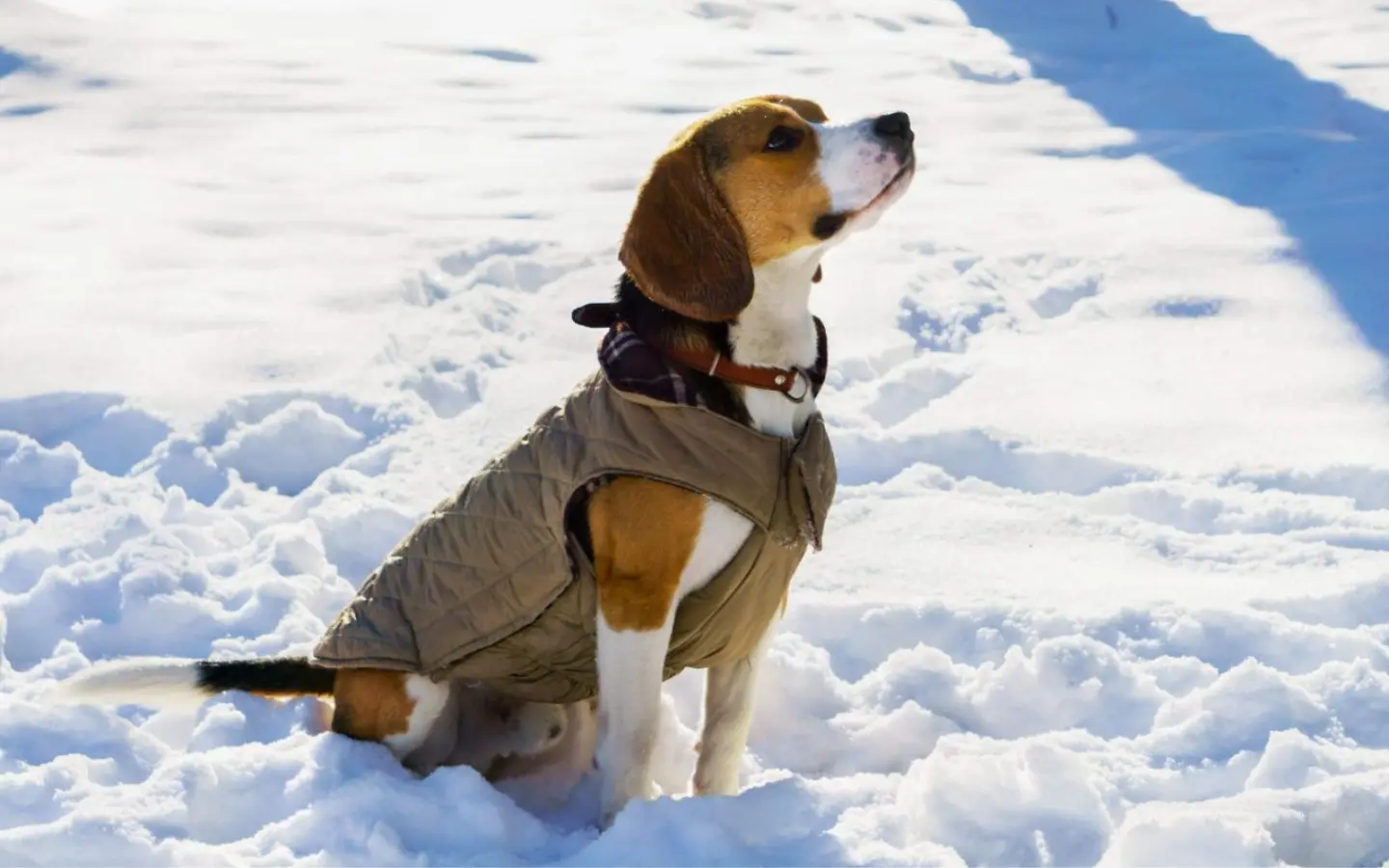
Earth-inspired colors like khaki, rust brown, or moss green are designed to blend into natural surroundings, making them excellent at hiding dirt from outdoor activities. These hues are particularly effective for dogs who love digging, rolling in grass, or exploring wooded areas, as they mimic the textures and tones of soil, leaves, and bark. A khaki raincoat, for instance, would camouflage mud splatters from a rainy forest hike, keeping your dog looking fresh longer.
Earth tones also evoke a sense of warmth and ruggedness, appealing to owners who prefer a natural, outdoorsy aesthetic. These colors work well with adventurous breeds or dogs with active lifestyles, reinforcing their connection to nature. Pairing an earth-toned raincoat with a matching leash or harness can create a harmonious, earthy ensemble that’s both functional and stylish.
One potential drawback is that earth tones may clash with urban settings or brightly colored accessories. If your dog frequently visits cities or attends colorful events, consider balancing earthy hues with neutral accents to maintain versatility.
Patterned Designs: Combining Practicality with Visual Interest
Patterned raincoats offer a creative solution to the dirt-visibility dilemma. Designs like camouflage, plaid, or subtle prints can distract from stains by breaking up solid color blocks. For example, a camouflage raincoat might hide mud spots more effectively than a plain green one, as the pattern creates visual complexity that makes dirt less noticeable.
Patterns also add personality to your dog’s outfit, allowing them to stand out in a crowd without relying on bright colors. A plaid raincoat in muted tones like gray and beige can look both stylish and practical, suitable for everything from casual walks to holiday gatherings. Subtle prints, such as tiny polka dots or diagonal stripes, can achieve a similar effect while maintaining a more refined appearance.
When choosing patterns, avoid overly busy or contrasting designs, as these might highlight dirt instead of concealing it. Stick to patterns with similar color families or low contrast to ensure they remain effective at masking stains over time.
Two-Tone or Color-Blocked Styles: Strategic Dirt Resistance
Two-tone or color-blocked raincoats use contrasting hues to create visual interest while targeting dirt-prone areas with darker shades. For instance, a raincoat with a dark gray body and lighter gray sleeves can hide mud on the torso while keeping the legs looking clean. This approach allows owners to prioritize durability in high-contact zones without sacrificing overall aesthetics.
Color-blocking can also accentuate a dog’s physique, highlighting their best features. A raincoat with a darker back and lighter underbelly might elongate a short-legged breed’s silhouette, while a bold stripe down the side can add definition to a muscular dog. By strategically placing colors, you can enhance your dog’s appearance while addressing practical concerns.
Keep in mind that two-tone designs require careful coordination to avoid a mismatched look. Choose colors that complement each other and your dog’s natural coat, ensuring the raincoat appears intentional rather than haphazard.
By considering dark neutrals, earth tones, patterns, and strategic color-blocking, you can find a raincoat that keeps your dog looking sharp while minimizing the need for frequent cleaning. Whether navigating muddy trails or strolling through the city, the right color choice ensures your pet stays both protected and polished.