

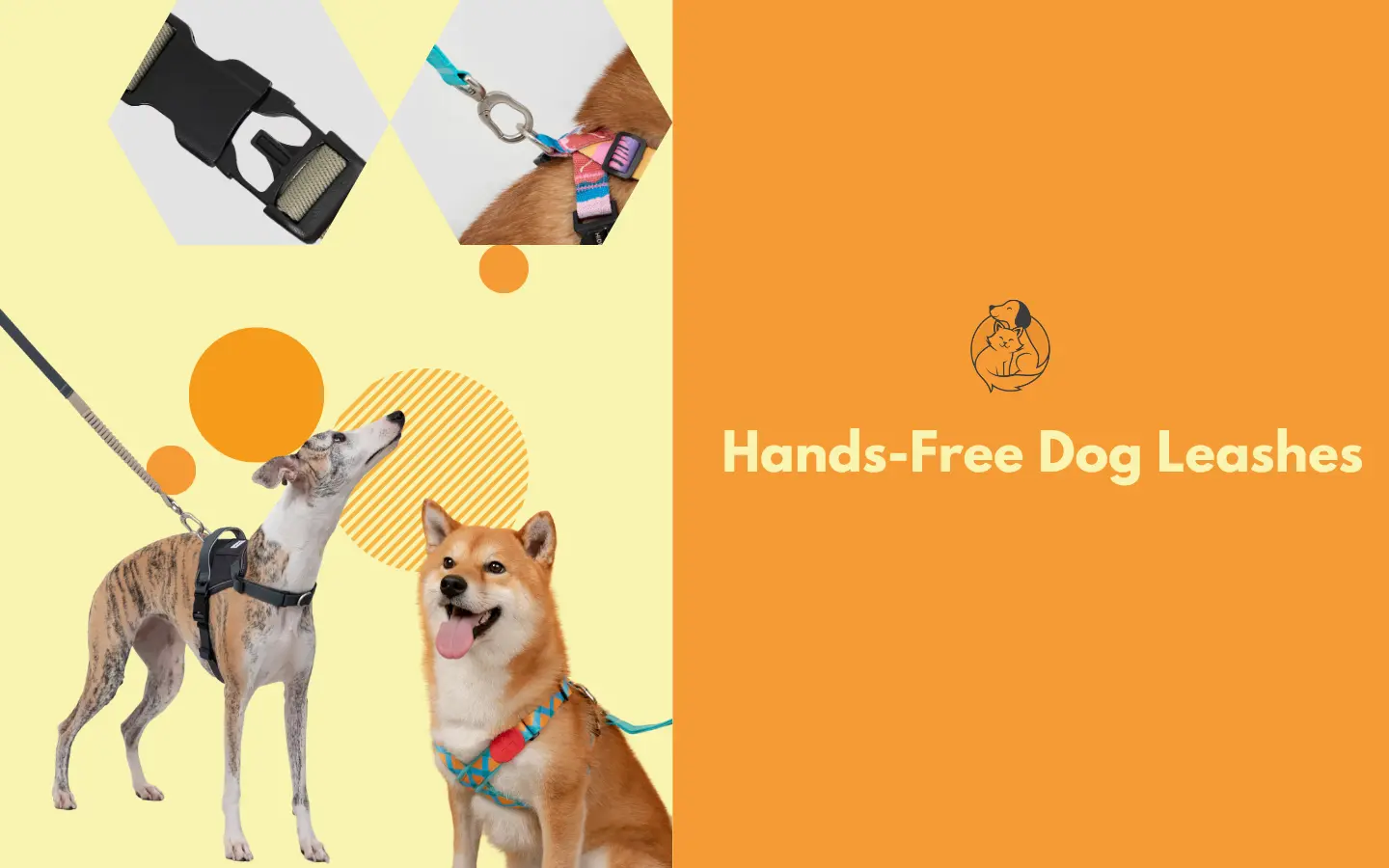
Dog owners now search for methods to fit their workout plan with their dogs’ stroll in their busy lifestyle. One popular approach is the use of hands-free dog leashes, but are they actually safe for running in wet or slick conditions? The vital elements to think about while using hands free leashes in inclement weather are discussed in this article together with suggestions to keep you and your fluffy buddy safe.
Understanding Hands-Free Dog Leashes
Hands-free dog leashes offer the convenience of freeing up your hands while maintaining some level of control over your dog. Typically, these leashes attach around your waist, allowing a more natural running posture and less strain on your arms. However, the safety of using them in adverse weather conditions requires careful evaluation.
Dog Behavior and Training
An important consideration when using a hands-free dog leash in bad weather is your dog’s behavior. Dogs prone to pulling, lunging, or darting might be harder to control on slippery surfaces, potentially causing balance issues and falls. Ensure your dog is leash-trained and responds well to commands in a controlled environment before braving slick conditions.
User Control and Balance
Running with a hands-free leash in rain or snowy conditions necessitates a certain level of physical strength and balance, especially if your dog suddenly pulls. Assessing your own physical ability and the dog’s size and strength can prevent accidents.
Environmental Hazards and Precautions
Rain, snow, and icy conditions introduce environmental hazards. Reduced visibility due to fog or heavy rain makes it crucial to use reflective or LED-equipped leashes and attire for both visibility and safety. Furthermore, the leash should be designed to prevent tangling and should be visible to others (source).
Leash Design Features
Safety-oriented designs, such as bungee sections for shock absorption and quick-release mechanisms for emergencies, can enhance control and responsiveness. Opt for leashes designed for running and make sure the fit of the belt allows for quick release if necessary.
Pros and Cons
| Pros | Cons |
| Keeps hands free, allowing better balance and natural running gait | Increased risk if dog pulls, especially on slippery ground |
| Reduces shoulder and arm strain | Harder to quickly control or release the dog |
| Offers good visibility with appropriate gear | Not ideal for large, strong, or poorly trained dogs |
Last Thoughts and Recommendations
Hands-free dog leashes can be safe for running in bad weather if particular criteria are met, including training, gear, and planning. Always assess your own and your dog’s abilities and modify accordingly. Returning to a conventional handheld leash in very slick or harsh circumstances might provide more safety.
Ultimately, while hands-free dog leashes provide a tantalizing chance for more freedom and exercise, guaranteeing their secure usage in wet or slippery conditions calls for rigorous planning and a complete grasp of the factors at play. Proper equipment and safeguards help dog owners dedicated to remaining active despite the conditions.