

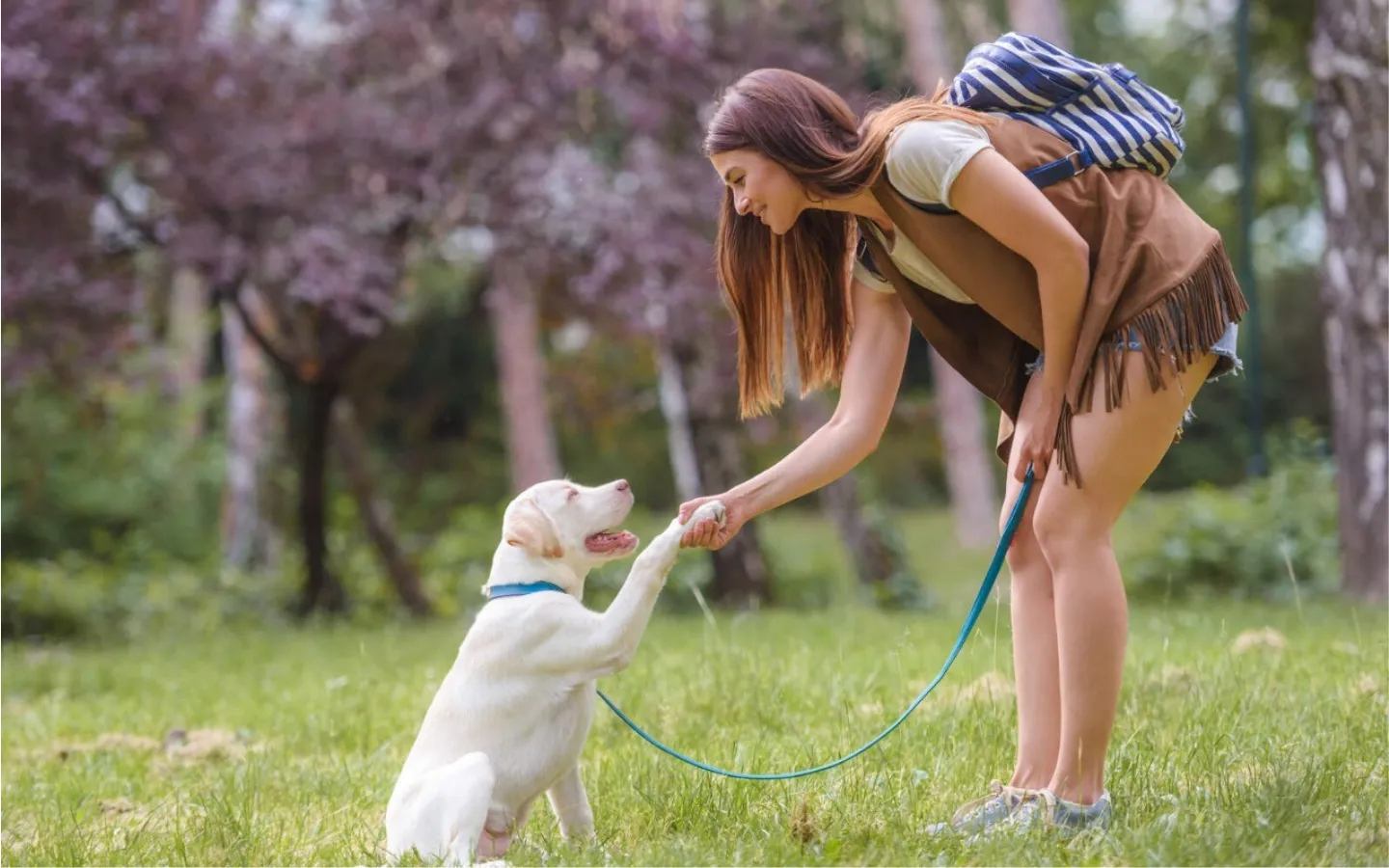
Preventing Spills: Effective Strategies for Securing Outdoor Dog Water Bowls
Keeping your dog hydrated during outdoor activities is essential, but a tipped-over water bowl can lead to wasted water, messy campsites, or dehydration risks. Whether you’re camping, hiking, or enjoying a day at the park, implementing simple yet effective measures to stabilize your dog’s water bowl ensures they stay hydrated without creating chaos. This guide explores practical solutions to prevent spills, from choosing the right bowl design to using natural anchors in your environment.
Choosing the Right Bowl Design for Stability
Opting for Bowls with Wide, Low-Profile Bases
Bowls with broader, flatter bottoms are inherently more stable than tall, narrow ones. The wider surface area distributates weight evenly, reducing the likelihood of tipping when your dog nudges it or the ground shifts. Look for bowls where the diameter of the base is at least 1.5 times the height of the sides. This design is especially useful on uneven terrain like grass or gravel, where a narrow bowl might wobble.
Selecting Materials That Add Weight or Grip
Heavier materials like stainless steel or ceramic naturally resist movement, but they can be impractical for outdoor use due to their bulk. Instead, choose lightweight bowls with rubberized bottoms or textured finishes that create friction against surfaces. Some bowls feature silicone grips or suction cups to adhere to flat areas like concrete or wooden decks. Even a thin rubber mat placed underneath a standard bowl can enhance stability without adding much weight.
Considering Collapsible or Portable Bowls with Built-In Stability
If you frequently travel with your dog, collapsible bowls are convenient, but many lack stability. Opt for models with rigid rings or frames that keep the bowl open in a stable shape. Some designs include foldable legs or stands that elevate the bowl slightly while anchoring it to the ground. These features are ideal for camping trips where space is limited but spill prevention is critical.
Using Environmental Anchors to Secure the Bowl
Leveraging Natural Surfaces for Stability
Place the bowl in a shallow depression in the ground, such as a dug-out area or a natural dip in sand or soil. The surrounding earth acts as a natural barrier, preventing the bowl from sliding. On rocky surfaces, nestle the bowl between stones or boulders to keep it in place. Avoid slopes or loose gravel, which can cause the bowl to shift even with minor movement.
Creating Makeshift Anchors with Outdoor Items
Use items from your surroundings to weigh down the bowl. For example, place a flat rock on top of a lightweight bowl or fill a portion of a collapsible bowl with sand or small pebbles to add heft. If you’re near a picnic table, slide the bowl into a corner where the legs form a barrier. Even tying the bowl to a fixed object like a tree stump or tent stake with a short rope can prevent it from being dragged away.
Utilizing Shade and Windbreaks to Minimize Movement
Wind is a common cause of spilled water bowls. Position the bowl in a sheltered area, such as under a tree, against a rock formation, or beside a vehicle. If no natural windbreaks are available, create one using a portable shade tent or a tarp strung between stakes. Reducing airflow around the bowl minimizes the risk of it being blown over, especially during breezy outdoor events.
Training Your Dog to Interact Gently with the Bowl
Teaching Basic Commands to Reduce Nudging
Train your dog to approach their water bowl calmly using commands like “wait” or “leave it.” Start by holding the bowl and asking your dog to sit before placing it down. Reward them for waiting patiently instead of pawing or nudging the bowl. Over time, they’ll learn that gentle behavior around the bowl is rewarded, reducing accidental spills caused by overexcitement.
Encouraging Slow Drinking Habits
Some dogs drink aggressively, splashing water out of the bowl. To slow them down, place a large, flat rock or a clean, upside-down bowl inside the water bowl. This forces your dog to lap around the obstacle, reducing splashing. Alternatively, use a bowl with a floating disk or a slow-feeder design that limits the amount of water they can access at once. These methods are especially helpful for large breeds or dogs prone to gulping water.
Redirecting Playful Behavior Away from the Bowl
If your dog treats their water bowl as a toy, redirect their attention to appropriate chew toys or interactive games. Keep the bowl in a quiet area away from high-traffic zones where playful behavior is likely. If they approach the bowl out of curiosity, gently guide them away and offer a toy instead. Consistency is key—over time, they’ll learn that the bowl is for drinking, not playing.
Advanced Tips for Challenging Outdoor Environments
Securing Bowls in Sandy or Soft Ground
On beaches or soft soil, bowls can sink or tip easily. Dig a shallow hole slightly larger than the bowl’s base and press the bowl firmly into the sand or soil. Pack the surrounding area with damp sand or soil to create a stable foundation. For added security, place a weighted object like a driftwood log or a filled water bottle around the bowl’s edge to prevent shifting.
Adapting to Windy or Rainy Conditions
In windy weather, choose a bowl with a low center of gravity and anchor it with a rope tied to a stake or heavy object. If rain is expected, elevate the bowl slightly using a stable platform (like a cinder block covered with a towel) to keep it out of puddles. Some bowls come with removable lids or covers that shield the water from debris and wind, though ensure they don’t restrict your dog’s access.
Managing Multiple Dogs Sharing a Bowl
If you have multiple dogs, competition can lead to spills. Use separate bowls spaced far enough apart to reduce crowding. Alternatively, choose a bowl with multiple drinking stations or a tiered design that allows dogs to drink simultaneously without bumping into each other. Training each dog to wait their turn can also minimize chaos around shared resources.
By combining thoughtful bowl selection, environmental adjustments, and training techniques, you can create a spill-proof hydration setup for your dog in any outdoor setting. These strategies ensure your dog stays hydrated without turning mealtime into a messy ordeal, whether you’re exploring trails or relaxing at home.