

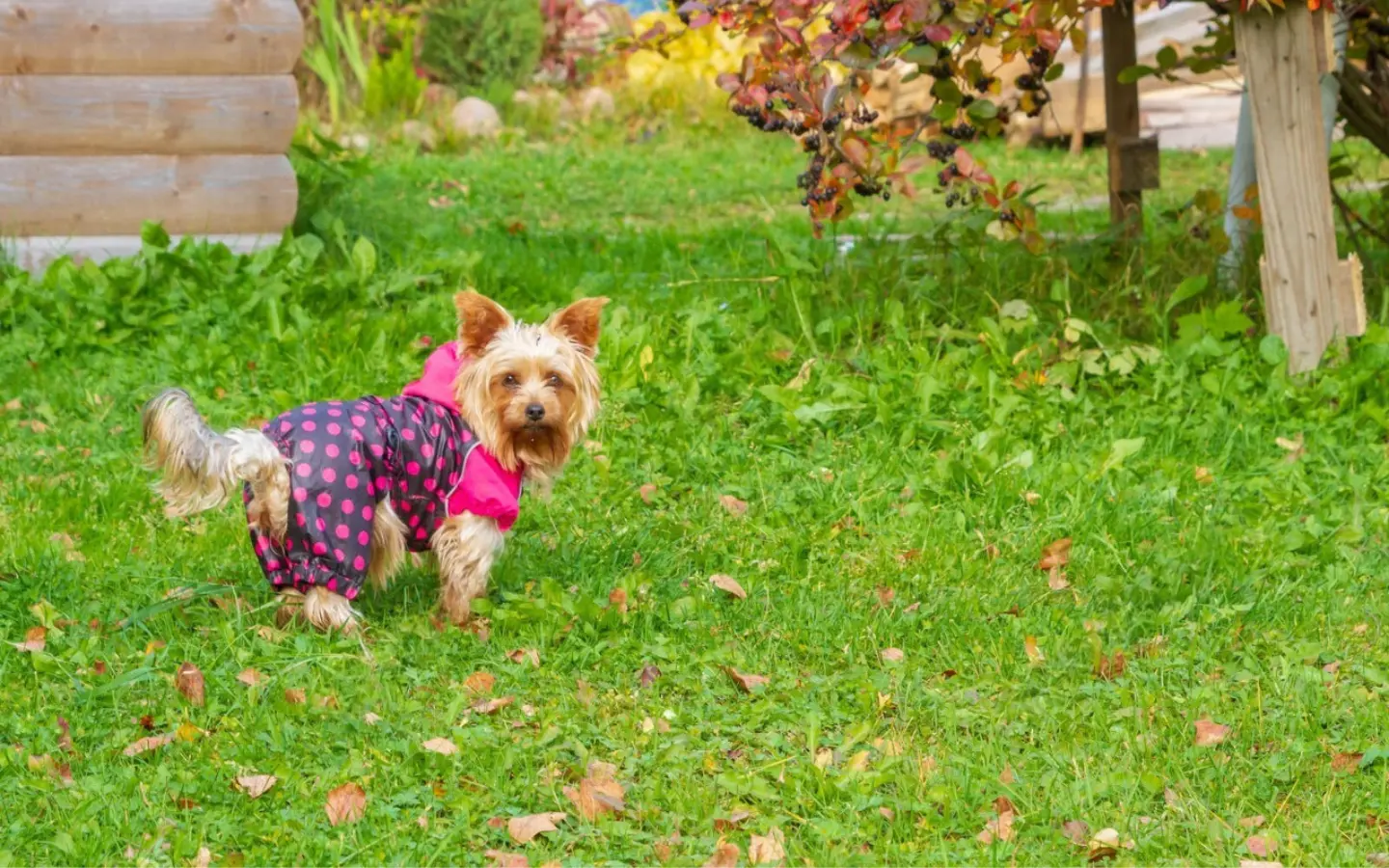
Preventing Snags and Tears: Post-Forest Inspection Tips for Your Dog’s Raincoat
Exploring forested trails exposes your dog’s raincoat to thorns, branches, burrs, and rough bark, all of which can cause pulls, holes, or weakened seams. Even minor damage compromises waterproofing and durability, leaving your pet vulnerable to rain and discomfort. Here’s how to thoroughly inspect and repair the raincoat after woodland adventures.
Identifying Surface-Level Snags on the Outer Fabric
After returning from the forest, lay the raincoat flat on a clean, dry surface and examine the outer layer under bright light. Look for raised threads, small loops, or puckered areas where branches or thorns may have caught the fabric. Run your fingers gently over the surface to detect subtle pulls that aren’t immediately visible. Pay special attention to high-contact zones like the shoulders, back, and sides, where your dog brushes against vegetation most often.
If you find minor snags, use a small, sharp pair of embroidery scissors or a seam ripper to carefully trim loose threads. Avoid cutting too close to the fabric, as this can create new weak points. For larger pulls that distort the weave, gently massage the area with your fingertips to encourage the fibers to settle back into place. Test the repaired spot by lightly tugging to ensure it’s secure before moving on.
Checking Seams and Edges for Unraveling or Stress Marks
Seams are vulnerable to stress in forests, especially where the raincoat bends at joints like the armpits, groin, or neck. Inspect these areas for fraying threads, gaps in stitching, or discoloration that indicates strain. Use a magnifying glass if needed to spot tiny breaks in the thread. For seams near zippers or Velcro closures, ensure the fasteners haven’t pulled away from the fabric, creating loose edges that snag easily.
If a seam is partially unraveled, reinforce it by hand-stitching with a durable, polyester thread that matches the original stitching. Use a backstitch pattern for strength, and keep stitches small and close together. For edges that are fraying, apply a thin layer of clear fabric glue or fray-stopping liquid along the raw edge to seal the fibers and prevent further unraveling. Allow the glue to dry completely before letting your dog wear the raincoat again.
Removing Burrs, Stickers, and Plant Debris from Velcro and Fasteners
Forest floors are riddled with sticky burrs, seed pods, and plant hairs that cling to Velcro straps, buckles, and elastic bands. These debris not only irritate your dog’s skin but also reduce the functionality of closures, causing the raincoat to fit loosely and let in water. Start by using a stiff-bristled brush to gently dislodge larger particles from Velcro surfaces. For stubborn burrs, use tweezers to carefully pull them out without damaging the hooks and loops.
After removing visible debris, inspect the Velcro for remaining plant fibers woven into the texture. Use a fine-toothed comb or a pet slicker brush to tease out these fibers, working in the direction of the Velcro’s grain. For elastic bands or buckles, check for trapped twigs or thorns and extract them with your fingers or tweezers. If the Velcro loses its grip due to debris buildup, wash it with mild soapy water, rinse thoroughly, and let it air-dry to restore stickiness.
Assessing Mesh Panels and Ventilation Features for Damage
Many dog raincoats include mesh inserts for breathability, but these delicate areas are prone to tears when brushing against rough tree bark or thorny bushes. Examine mesh panels under good lighting for holes, runs, or stretched fibers. Use a flashlight to check for light passing through tiny punctures that might not be visible otherwise. For small holes, apply a patch of lightweight, breathable fabric adhesive tape from the inside to reinforce the area without blocking airflow.
If the mesh is severely damaged, consider replacing the panel entirely if the raincoat allows for modular repairs. Otherwise, reinforce the edges of the tear with a zigzag stitch using a sewing machine or hand-sewing needle and thread. Avoid using heavy-duty threads that restrict flexibility. After repairing, gently stretch the mesh in all directions to ensure it moves freely and doesn’t pucker, which could irritate your dog during wear.
By conducting these detailed checks after every forest outing, you can address minor issues before they escalate into major repairs, ensuring your dog’s raincoat remains functional, comfortable, and protective. Regular maintenance preserves the garment’s integrity and extends its lifespan, even in rugged outdoor environments.