

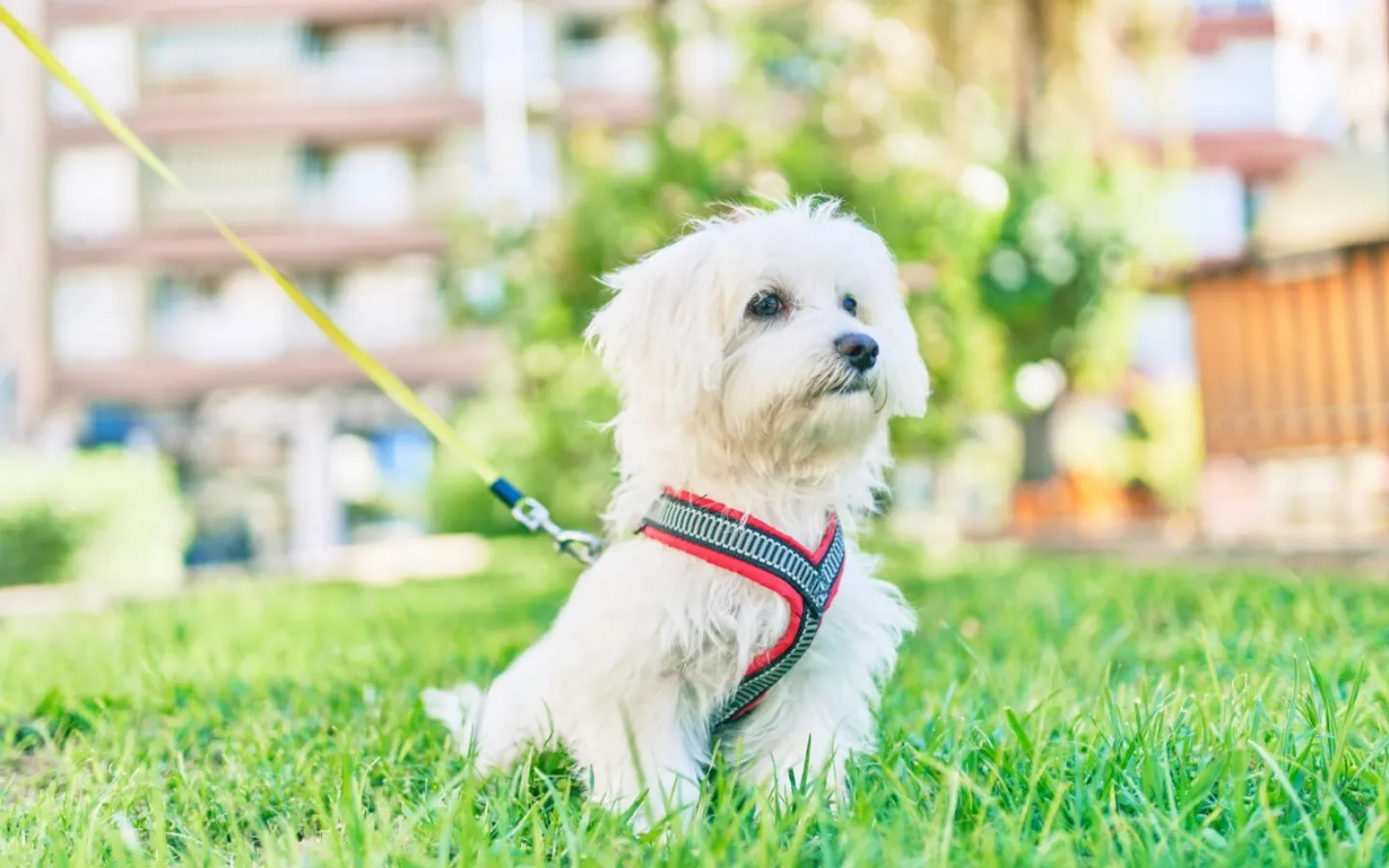
Elegant Outdoor Collars for Small Dogs: Balancing Style, Safety, and Functionality
Small dogs often face unique challenges in outdoor environments, from navigating crowded sidewalks to enduring sudden weather shifts. Their collars must strike a delicate balance between durability, comfort, and visual appeal. Understanding material innovation, design adaptability, and safety features ensures these accessories enhance both the dog’s well-being and the owner’s peace of mind.
Lightweight yet Durable Materials: Engineering for Small Breeds
Small dogs, such as Chihuahuas or Pomeranians, have delicate necks and tracheas, making material selection critical. Traditional leather, while durable, can become heavy when wet or stiff in cold temperatures. Modern alternatives like biothane—a synthetic polymer coated with polyvinyl chloride (PVC)—offer waterproof resistance without sacrificing flexibility. This material resists odors, stains, and UV fading, making it ideal for rainy hikes or sunny park visits.
For owners prioritizing eco-conscious options, recycled polyester collars with reinforced stitching provide a sustainable choice. These fabrics undergo tension testing to ensure they withstand sudden pulls from excited leashes without stretching or snapping. Some designs incorporate bamboo fibers, which are naturally antibacterial and hypoallergenic, reducing skin irritation for dogs with sensitive coats.
Reflective and High-Visibility Designs: Safety Without Compromising Aesthetics
Urban environments and low-light conditions demand visibility. Reflective threads woven into collars create passive illumination when light hits the surface, alerting drivers or cyclists during evening walks. For a more stylish approach, manufacturers use 3M Scotchlite reflective tape in geometric patterns or subtle stripes, ensuring safety blends seamlessly with design.
Photoluminescent materials offer another layer of protection. These collars absorb ambient light during the day and glow for hours after dark, eliminating the need for batteries or external light sources. Some brands experiment with color-shifting pigments that change hue under different lighting conditions, adding a playful touch while maintaining functionality.
Adjustable and Ergonomic Fits: Prioritizing Comfort During Movement
Small dogs are prone to neck chafing if collars fit improperly. Buckle collars with multiple adjustment holes allow owners to customize the fit as the dog grows or gains/loses weight. However, holes can weaken the collar’s structure over time. Slide-adjust collars, which use a friction-based system, distribute pressure evenly and reduce the risk of hair breakage.
For active breeds like Jack Russell Terriers, martingale collars offer a hybrid solution. These collars tighten slightly when the dog pulls, preventing escape without choking. When paired with soft neoprene padding, martingales provide gentle correction while protecting the trachea. Owners should ensure the collar’s width doesn’t exceed 1 inch for dogs under 10 pounds to avoid bulkiness.
Weather-Resistant Features: Protecting Against the Elements
Small dogs lose body heat faster than larger breeds, making collars with thermal properties beneficial in cold climates. Neoprene-lined collars insulate the neck by trapping a thin layer of air, while fleece-backed designs offer cozy warmth without overheating. In rainy regions, water-repellent coatings like DWR (Durable Water Repellent) prevent moisture absorption, keeping the collar lightweight and dry.
Conversely, hot climates demand breathable materials. Mesh collars with laser-cut patterns promote airflow, reducing the risk of heat rash. Some designs incorporate cooling gel inserts that activate when pressed, providing temporary relief during summer walks. Owners should avoid rubberized collars in high temperatures, as they can trap heat and cause discomfort.
Practical Tips for Owners
- Measure Accurately: Use a soft measuring tape to determine the dog’s neck circumference, leaving enough room for two fingers to slide between the collar and skin.
- Rotate Collars: Switch between collars every few days to prevent hair matting and allow materials to air out.
- Inspect Regularly: Check for frayed edges, loose buckles, or worn reflective surfaces, especially after rigorous outdoor activities.
- Avoid Over-Accessorizing: Skip additional charms or tags on delicate collars to prevent snagging or excessive weight.
By prioritizing materials tailored to small breeds, integrating safety-focused designs, and ensuring ergonomic comfort, owners can equip their pets with collars that are both functional and visually distinctive. This approach transforms a basic accessory into a statement of care and style.