

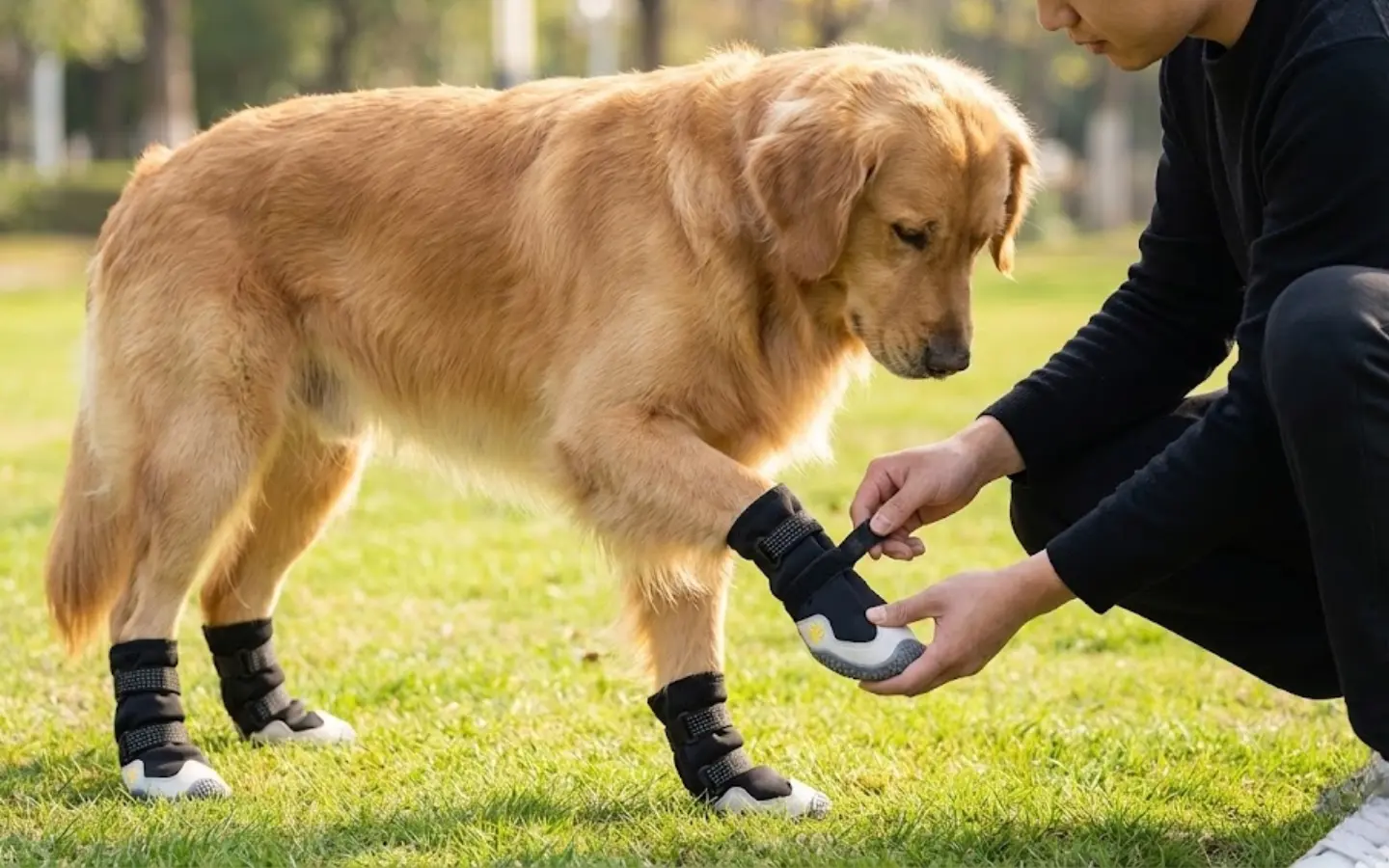
Helping Your Dog Quickly Accept an Outdoor Collar
Introducing a new outdoor collar to your dog can sometimes lead to resistance or anxiety, but with the right approach, you can help them adjust smoothly. A collar is essential for safety during walks or outdoor play, so making the transition stress-free is key. Here’s how to guide your dog toward comfort and confidence with their new gear.
Creating Positive First Impressions
The way you introduce the collar sets the tone for your dog’s acceptance. Focus on building positive associations to replace any fear or uncertainty.
Let Your Dog Sniff and Investigate the Collar
Before putting the collar on, place it near your dog’s food bowl, bed, or favorite resting spot. Allow them to approach it naturally, sniffing and exploring without pressure. This helps them recognize the collar as a harmless, everyday object. Reward curiosity with gentle praise or a small treat to reinforce that the collar is something good.
Pair the Collar with Playtime or Treats
Once your dog seems comfortable around the collar, incorporate it into enjoyable activities. For example, hide treats inside the collar’s loop or attach a lightweight toy to it temporarily. This creates a fun connection between the collar and positive experiences. Avoid forcing the collar onto your dog during this stage—let them interact with it on their own terms.
Use Calming Scents or Familiar Items
If your dog is particularly sensitive, rub a soft cloth on their bed or a favorite blanket, then gently wipe the collar with it. This transfers their scent onto the collar, making it feel more familiar. Alternatively, spray a small amount of lavender-scented spray (pet-safe) on the collar to promote relaxation. Always test scents in a small area first to ensure your dog doesn’t react negatively.
Gradual Desensitization to Wearing the Collar
Once your dog is familiar with the collar’s presence, it’s time to practice wearing it for short periods. Patience is crucial here—rushing can lead to setbacks.
Start with Brief, Supervised Sessions Indoors
Begin by placing the collar loosely around your dog’s neck for just a few seconds. Use a calm, reassuring voice and offer a treat immediately after putting it on. If your dog seems relaxed, gradually increase the time to a minute or two. Always supervise these sessions to prevent the collar from catching on furniture or causing distress.
Adjust the Fit for Comfort
Ensure the collar isn’t too tight or too loose. You should be able to slide two fingers between the collar and your dog’s neck comfortably. A snug fit prevents the collar from slipping off or rubbing against their skin. If your dog has long fur, check that the collar isn’t tangling or pulling on their coat.
Distract Your Dog During Initial Wear
To keep your dog from focusing on the collar, engage them in a favorite activity, like fetching a toy or practicing basic commands. The distraction helps them associate the collar with fun rather than discomfort. If your dog tries to scratch or shake it off, gently redirect their attention with a treat or a gentle pet.
Building Confidence During Outdoor Walks
Once your dog is comfortable wearing the collar indoors, it’s time to practice outside. Start in a calm, familiar environment to minimize stress.
Choose Low-Distraction Areas for First Outings
Begin in your backyard or a quiet park where your dog feels safe. Avoid busy streets or areas with loud noises, which can overwhelm them while they’re still adjusting. Keep the first few walks short—5 to 10 minutes—to prevent overstimulation. Let your dog explore at their own pace, sniffing and moving freely.
Use Positive Reinforcement During Walks
Praise your dog frequently for wearing the collar calmly. Use phrases like “good collar” or “nice walk” in an upbeat tone. Offer treats intermittently to reward relaxed behavior. If your dog seems hesitant, kneel down and encourage them with gentle petting or a favorite toy. Never yank or pull on the leash, as this can create negative associations.
Gradually Introduce Leash Attachments
If your outdoor collar will be used with a leash, introduce the leash gradually. First, let your dog drag a lightweight leash around the house while supervised to get used to the feeling. Then, attach the leash to the collar during short walks, holding it loosely to avoid tension. Reward your dog for walking without pulling or tangling.
Troubleshooting Common Issues
Even with careful training, your dog might show resistance. Here’s how to address common challenges like scratching or freezing.
Scratching or Rubbing at the Collar
If your dog constantly scratches or tries to remove the collar, check the fit first. It may be too tight or rubbing against their skin. Adjust the collar or try a different style with softer material. If the issue persists, your dog might be anxious—distract them with a game or a puzzle toy to redirect their focus.
Freezing or Refusing to Move
Some dogs freeze when wearing a new collar, especially if they’ve had negative experiences in the past. Avoid forcing them to walk. Instead, sit quietly with them and offer treats or gentle pets until they relax. If they still won’t move, remove the collar and try again later with shorter sessions.
Fear of Outdoor Environments
If your dog is comfortable indoors but anxious outside, the issue might be the environment, not the collar. Practice wearing the collar in different indoor settings first, like a garage or porch, before moving outdoors. Gradually expose them to sights and sounds they’ll encounter outside, like cars or birds, using treats and praise to build confidence.
By following these steps and staying patient, your dog can learn to accept their outdoor collar quickly and comfortably. Training takes time, but the result is a safer, happier companion ready for adventures.