

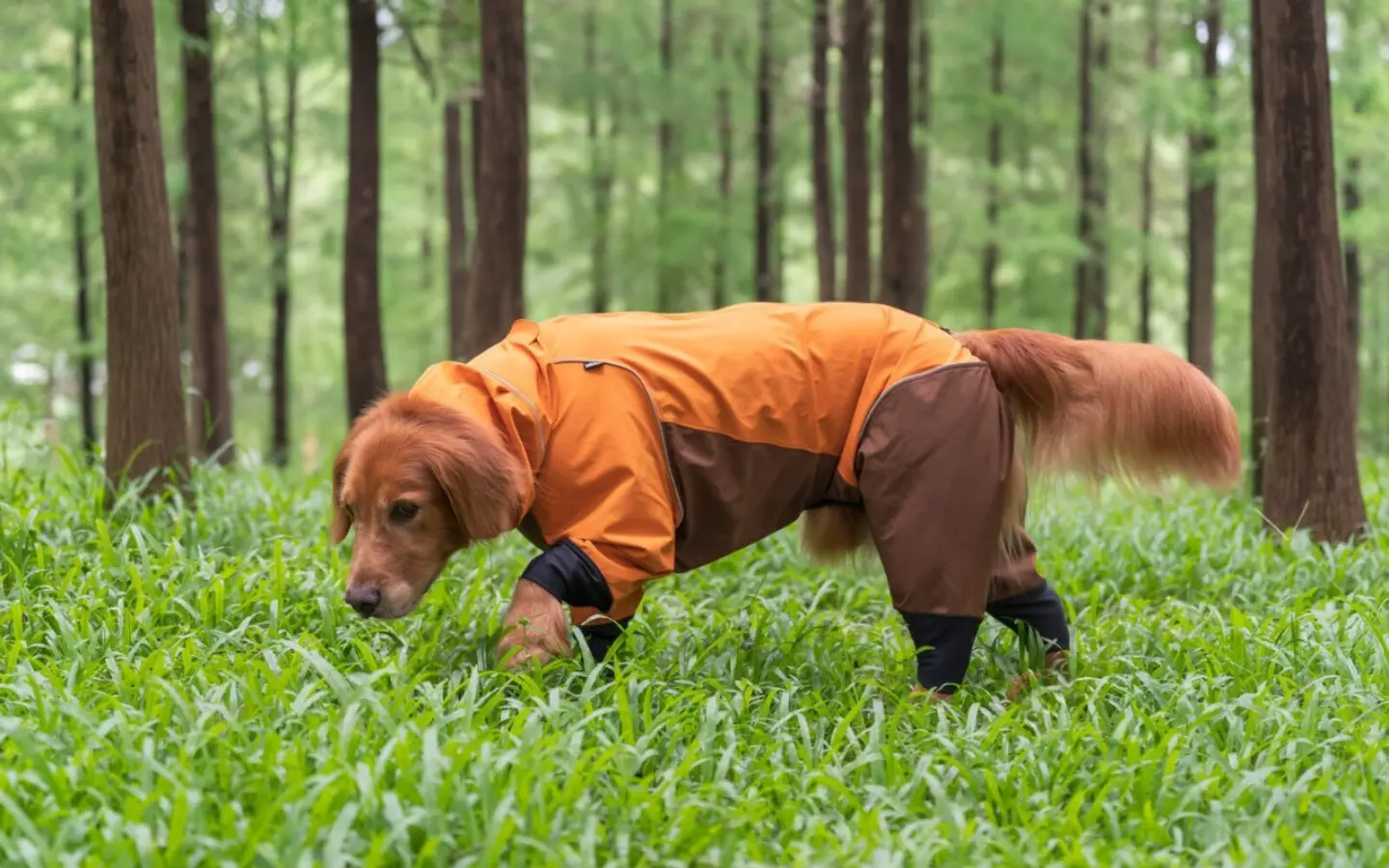
Protecting Your Dog While Rolling in Grass When Wearing a Raincoat
Dogs love to roll in grass, whether it’s to mask their scent, explore new smells, or simply enjoy the sensation. However, when wearing a raincoat, this behavior can introduce challenges like overheating, fabric damage, or skin irritation. Grass may also hide pests, allergens, or debris that could cling to the coat or harm the dog. Here’s how to keep your dog safe and comfortable during grassy adventures.
Material and Fit Considerations: Preventing Overheating and Restrictions
A raincoat’s design and fabric play a critical role in a dog’s ability to roll freely without discomfort. Coats made of thick, non-breathable materials can trap heat, especially during physical exertion like rolling or running, leading to overheating or panting. Ill-fitting coats with tight collars, cuffs, or belly straps may also restrict movement or cause chafing when the dog twists and turns.
To ensure comfort, choose a raincoat with lightweight, breathable fabric that allows air circulation. Opt for adjustable straps and stretch panels to accommodate rolling without shifting or bunching. Avoid coats with rigid seams or decorative elements (e.g., buttons, zippers, or tags) that could press into the dog’s skin during movement. Before letting the dog roll, check the coat’s fit by observing their ability to stretch, lie down, and turn around easily. If the coat rides up or restricts motion, loosen the straps or consider a looser-fitting style.
Grass-Related Hazards: Identifying and Mitigating Risks
Grassy areas often harbor hidden dangers, such as burrs, thistles, ticks, or pesticides, which can stick to the raincoat or penetrate the fabric to irritate the dog’s skin. Rolling in wet grass may also soak the coat, making it heavier and less breathable, or trap moisture against the dog’s fur, leading to chills or fungal growth.
To reduce risks, inspect the grassy area beforehand for visible hazards (e.g., sharp plants, trash, or animal waste). If the grass has been treated with chemicals, avoid letting the dog roll directly on it, or rinse their paws and belly afterward with fresh water. After rolling, check the raincoat for debris, especially around the collar, armpits, and belly, and remove any burrs or stickers gently with tweezers. If the coat becomes heavily soaked, wring it out or towel-dry the dog to prevent discomfort.
Skin and Coat Health: Avoiding Irritation and Allergies
Rolling in grass can expose the dog to allergens like pollen, mold, or insect bites, which may cause itching, redness, or hot spots. If the raincoat traps these allergens against the skin or rubs the dog’s fur the wrong way, irritation can worsen. Additionally, wet grass or sweat trapped under the coat may create a humid environment that fosters bacterial or fungal growth.
To protect the dog’s skin, ensure the raincoat is clean and dry before use. If the dog has sensitive skin or allergies, line the coat with a soft, breathable layer (e.g., a cotton T-shirt) to reduce friction. After rolling, wipe the dog’s belly, paws, and armpits with a damp cloth to remove allergens, and check for signs of irritation (e.g., redness, scabs, or excessive licking). If the dog shows discomfort, remove the coat and let them air-dry in a shaded area.
Behavioral Adaptation: Encouraging Safe Rolling Practices
Dogs may roll more vigorously or frequently when wearing a raincoat, either out of curiosity or to adjust the coat’s fit. This behavior can lead to the coat twisting, tangling, or coming undone, especially if the dog is unsupervised.
To manage this, supervise the dog closely during grassy play and intervene if the coat shifts or becomes entangled. If the dog seems frustrated with the coat, take breaks to remove it temporarily and let them roll freely (if the environment is safe). Use positive reinforcement (e.g., treats or praise) to encourage calm behavior while wearing the coat, and redirect excessive rolling with toys or commands. If the dog consistently dislikes the coat during play, consider using it only for walks or wet-weather outings and removing it during unstructured playtime.
Post-Rolling Care: Cleaning and Maintaining the Raincoat
Grass, dirt, and moisture can soil or damage a raincoat, reducing its effectiveness over time. A coat that’s not cleaned properly may also harbor bacteria or odors that irritate the dog’s skin or cause discomfort during future use.
After the dog finishes rolling, shake out the coat vigorously to dislodge loose debris. If the coat is machine-washable, rinse it with fresh water to remove mud or pollen, and launder it according to the care instructions (using a mild detergent and cold water). If the coat is not washable, wipe it down with a damp cloth and hang it to air-dry in a well-ventilated area. Avoid leaving the coat in direct sunlight, as this can degrade waterproofing or fade the fabric. Inspect the coat regularly for tears, loose seams, or worn-out straps, and repair or replace it if damaged.
Environmental Awareness: Respecting Natural Spaces
Grassy areas, such as parks or trails, are often shared with wildlife, plants, and other visitors. A dog rolling in grass may disturb nesting birds, trample vegetation, or spread invasive seeds if their coat picks up debris from one location and deposits it elsewhere.
To minimize impact, keep the dog on a leash in sensitive areas (e.g., nature reserves or meadows) and avoid letting them roll in protected habitats. If the dog picks up seeds or burrs in their coat, remove them promptly to prevent accidental spread. After play, dispose of waste properly and leave the area as clean as you found it.
Conclusion: Balancing Fun and Safety in Grassy Environments
Allowing a dog to roll in grass while wearing a raincoat requires careful consideration of their comfort, health, and the environment. By selecting the right coat, supervising play, and prioritizing post-activity care, owners can ensure their pets enjoy grassy adventures without risking overheating, irritation, or injury. With these precautions, rolling in the grass can remain a joyful part of your dog’s outdoor routine.