

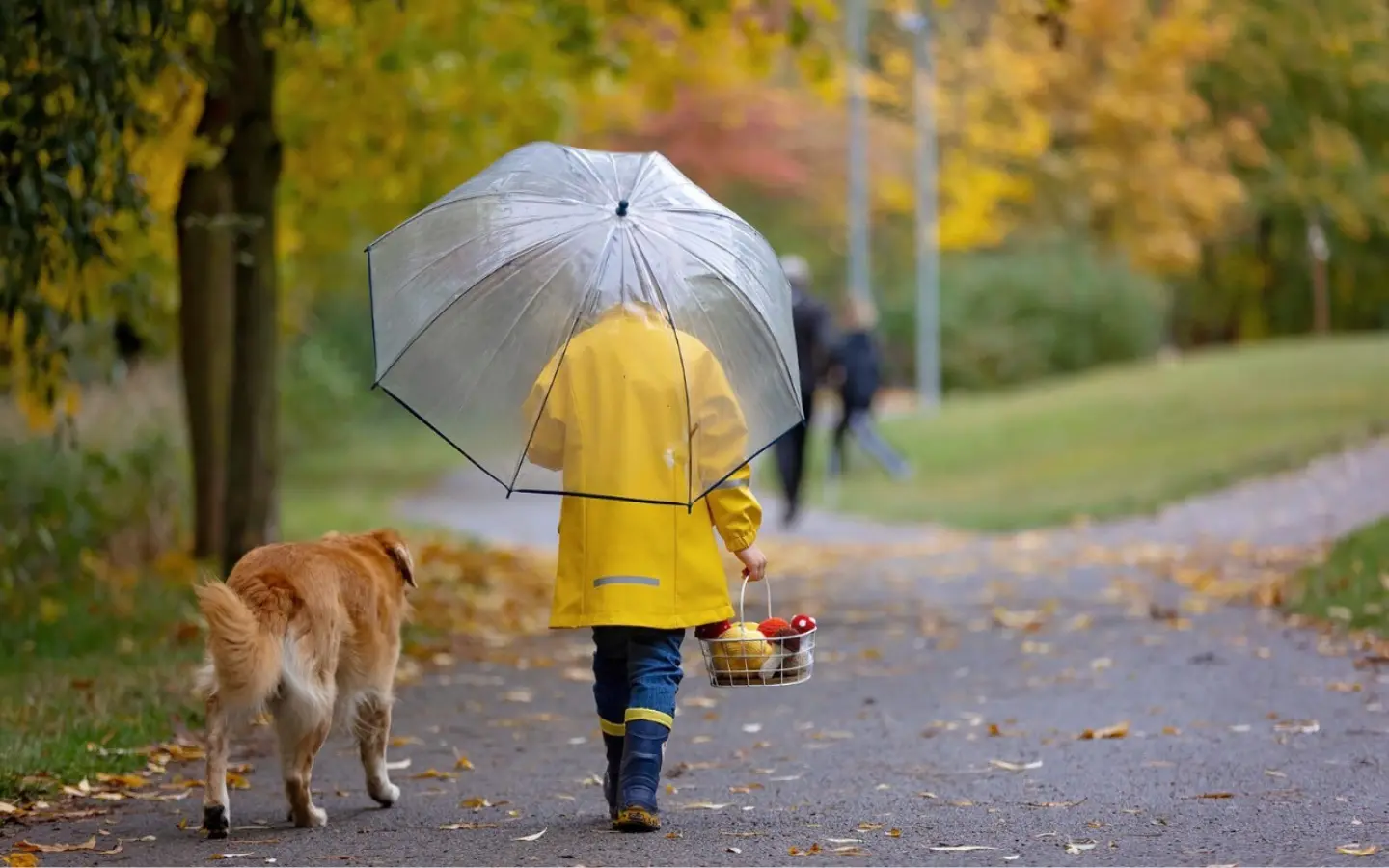
Agility Training for Dogs Wearing Raincoats: Tips for Building Confidence and Performance
Agility training challenges a dog’s physical and mental abilities, but adding a raincoat can introduce discomfort or distraction. Many dogs associate raincoats with restricted movement or negative experiences, making it harder to focus on jumps, tunnels, or weave poles. By adapting training techniques to accommodate the raincoat, you can help your dog stay comfortable while mastering agility skills. Here’s how to integrate the raincoat into agility sessions without sacrificing fun or progress.
Start With Short, Positive Raincoat Sessions Before Agility Work
Before introducing agility equipment, ensure your dog is comfortable wearing the raincoat during basic activities. Begin with 5–10 minute indoor sessions where they wear the raincoat while playing with toys or practicing simple commands like “sit” or “down.” Use high-value treats to reward calm behavior, gradually increasing the duration as they adjust.
Once they tolerate the raincoat indoors, move to a familiar outdoor space with minimal distractions. Practice walking, trotting, or light play while wearing the raincoat. Pay attention to their gait—if they seem stiff or hesitant, check for snug straps or fabric bunching. Adjust the raincoat to allow full range of motion, ensuring it doesn’t rub against their legs or underbelly.
Introduce Agility Equipment Gradually to Avoid Overwhelm
Start with low-impact obstacles that don’t require sudden movements, such as tunnels or platforms. Let your dog explore the equipment at their own pace while wearing the raincoat. For tunnels, place treats inside to encourage entry, and praise them for walking through without rushing. If they hesitate, guide them with a toy or treat held at nose level.
For jumps, begin with the bar set at ground level. Lure your dog over it using a treat or toy, rewarding them for stepping over without jumping. Gradually raise the bar in small increments, ensuring they maintain confidence. Avoid forcing them to jump higher than they’re comfortable with, as the raincoat’s added weight or texture might affect their balance.
Use Familiar Commands to Redirect Focus During Training
Agility relies on clear communication, and the raincoat shouldn’t disrupt this. Reinforce basic commands like “wait,” “go,” or “turn” during training sessions. For example, before approaching a weave pole, ask your dog to “wait” while you position yourself. Then use an enthusiastic tone to say “go!” as they start weaving.
If your dog gets distracted by the raincoat’s fabric flapping or sounds, pause and reset the exercise. Use a calm voice to remind them of the task, like “focus” or “look here,” while holding a treat near your face to regain their attention. Consistency in commands helps them understand that the raincoat is part of the routine, not an obstacle.
Adjust Training Pace to Match Your Dog’s Comfort Level
Dogs wearing raincoats may tire faster due to added warmth or restricted airflow. Shorten training sessions to 10–15 minutes and include frequent breaks. Offer water and a shaded area to prevent overheating, especially in humid weather. Watch for signs of fatigue, such as slowed movement or disinterest in treats, and end the session on a positive note.
Incorporate play breaks to keep energy levels up. After completing a few repetitions of an obstacle, engage in a quick game of fetch or tug-of-war. This mix of structured training and free play prevents burnout and reinforces that agility sessions are enjoyable, even with the raincoat.
Desensitize Your Dog to Raincoat Sensations During Agility
The raincoat’s texture or fit might cause itchiness or irritation, leading to distraction. Desensitize your dog by gently touching the raincoat’s seams, straps, or hood during calm moments. Pair each touch with a treat to create positive associations. For example, stroke the collar area and say “good boy!” while offering a reward.
If your dog dislikes the sound of raincoat fabric rubbing together, mimic the noise during training breaks. Crumple a piece of the material near them while they eat or play. Over time, they’ll learn to ignore the sound and focus on the task at hand. This step is crucial for dogs sensitive to sensory input.
Leverage Scent and Texture to Enhance Engagement
Dogs rely heavily on smell, so use scented treats or toys to keep them focused during agility drills. For example, rub a treat on a tunnel entrance or weave pole to encourage exploration. The familiar scent will draw them in, even if the raincoat feels unfamiliar.
If your dog hesitates on slippery surfaces due to the raincoat’s material, place non-slip mats or towels near obstacles. This provides traction and reduces anxiety about sliding. Gradually remove the mats as they gain confidence, ensuring they can navigate the equipment safely without assistance.
Monitor Progress and Celebrate Small Wins
Agility training with a raincoat requires patience. Track your dog’s improvements, such as completing a tunnel without hesitation or jumping over a raised bar consistently. Celebrate these milestones with extra praise or a favorite game. Positive reinforcement encourages them to view the raincoat as a non-issue over time.
If your dog regresses or shows signs of stress, revisit earlier steps. For example, if they refuse to enter a tunnel, return to ground-level jumps or flatwork drills. Building a strong foundation ensures they’re mentally and physically prepared for more complex challenges.
Adapt Training for Different Weather Conditions
Raincoats are often used in wet or cold weather, which can affect training dynamics. On rainy days, choose agility equipment with non-slip surfaces and avoid muddy areas that could cause slips. On windy days, secure lightweight obstacles like tunnels or bars to prevent them from moving unexpectedly.
If the raincoat becomes waterlogged, take a break to dry it off or switch to a lighter layer. A heavy, wet raincoat can weigh your dog down and make movements feel sluggish. Always prioritize their comfort to maintain enthusiasm for training.